Korea SIM Card for Tourist: Prices, Airport Pickup and eSIM Rules
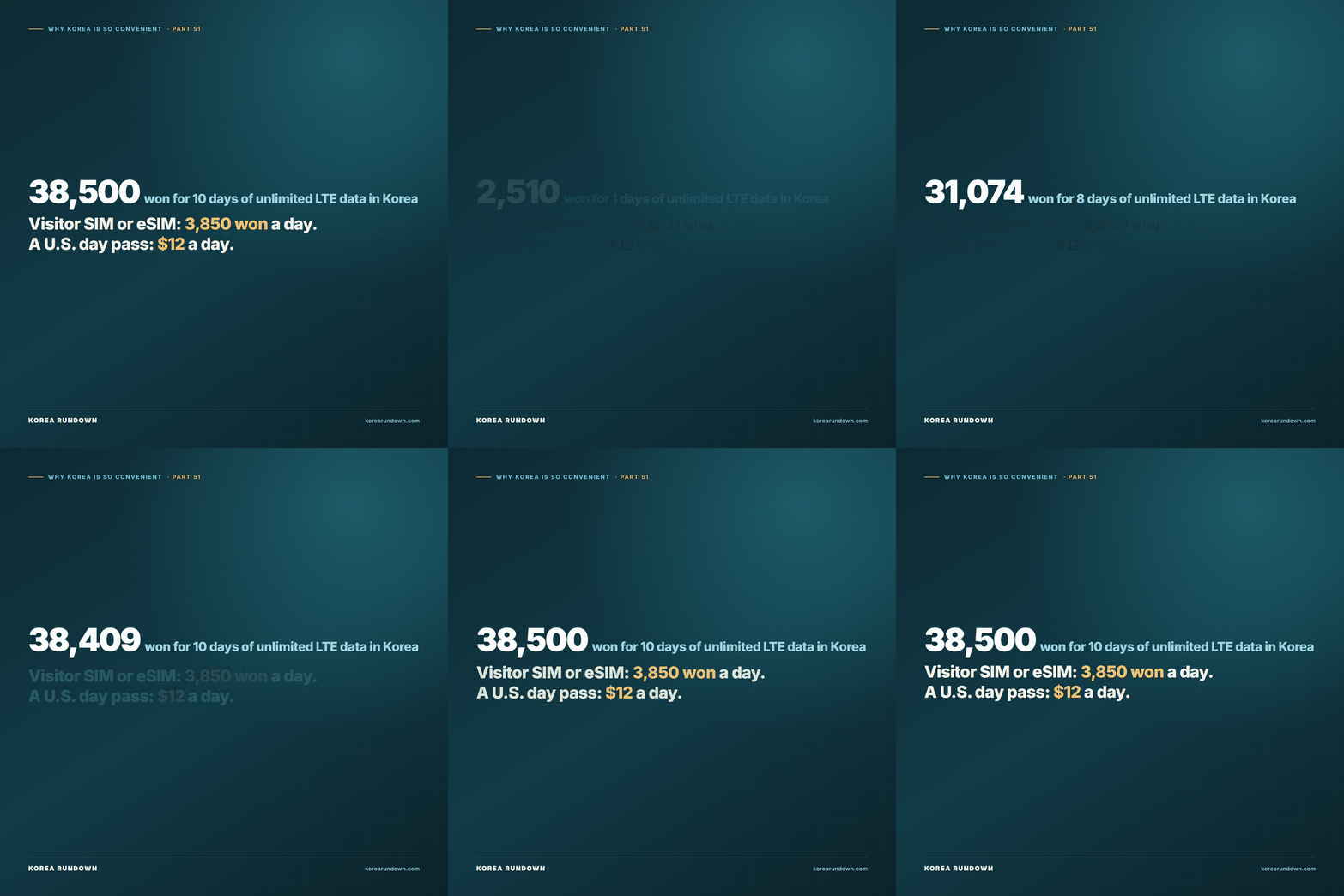
If you are looking for a Korea SIM card for tourist use, the short answer is that the big Korean carriers sell prepaid plans built for visitors, and they are cheap. SK Telecom, for example, lists an unlimited LTE data plan for short-term visitors at 6,500 won for one day, 18,000 won for three days, 38,500 won for ten days and 71,500 won for thirty days, as of October 2026. The same prices apply to the physical SIM and to the eSIM version.
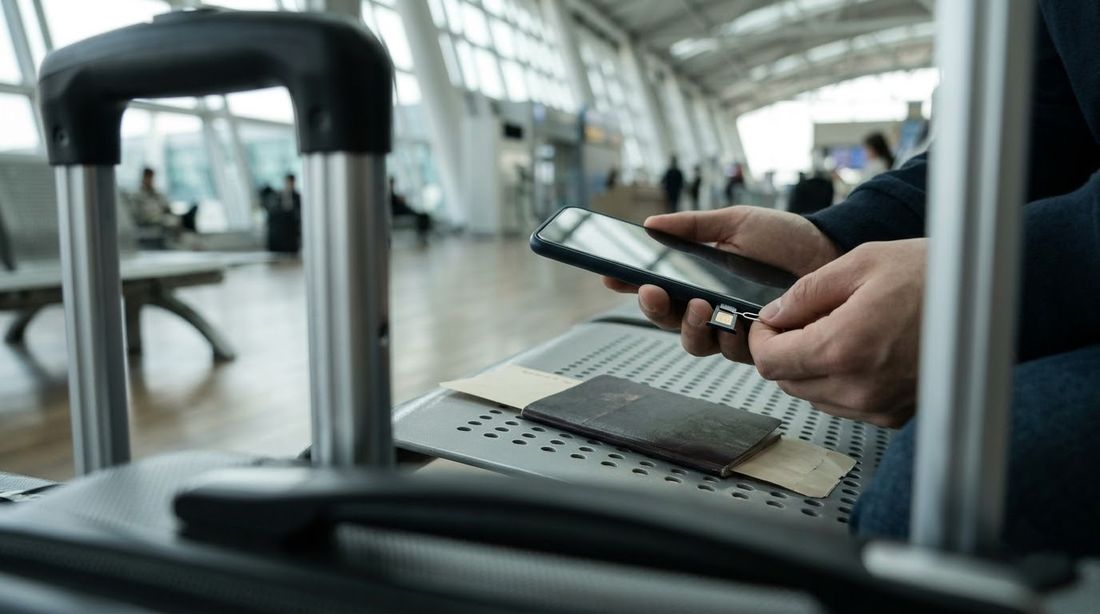
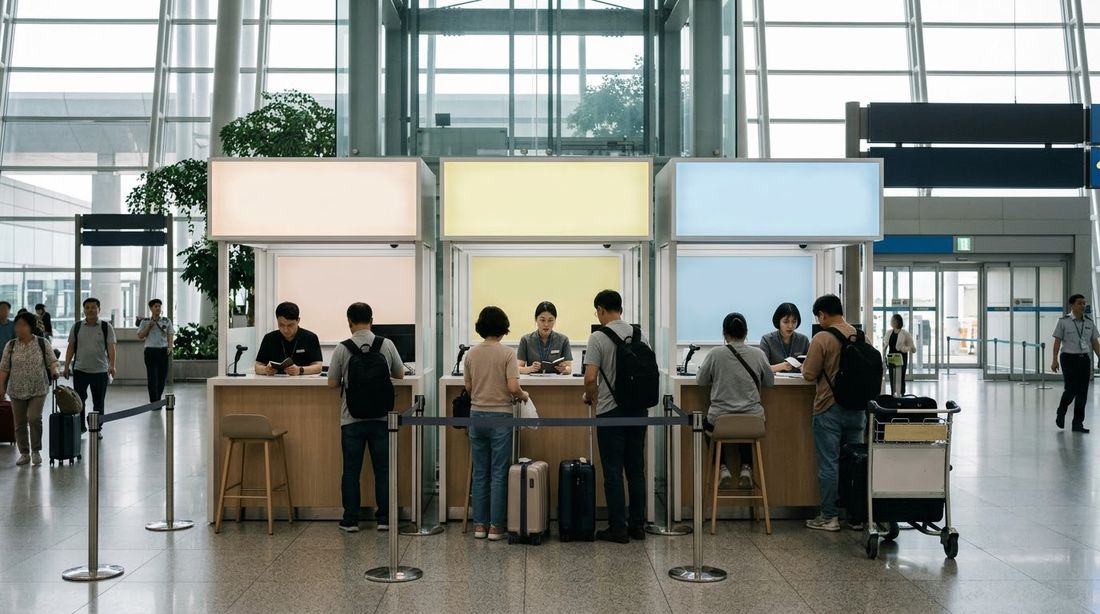
There are three conditions worth knowing before you land. The plans are for foreign visitors staying 90 days or less. Your phone has to be unlocked for overseas SIM cards. And a physical SIM has to be picked up at an airport roaming center, while an eSIM is installed from a QR code over Wi-Fi.
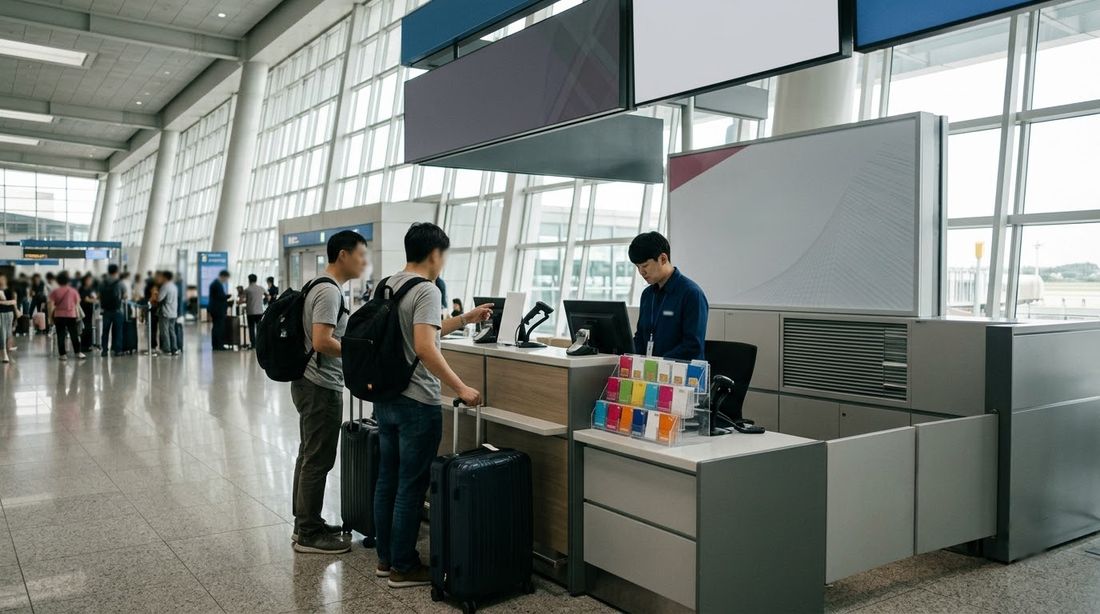
Korea SIM card for tourist prices, by trip length
SK Telecom's LTE plan for visitors includes unlimited data at up to 100 Mbps with no data cap, free incoming calls and texts, and a phone number once your passport is verified. Outgoing calls and texts run on a separate prepaid balance you top up. The 5G version starts at 25,000 won for three days and runs at up to 200 Mbps, with tethering limited to 1 GB a day.
The longer you stay, the less each day costs. A one-day pass is 6,500 won. Ten days work out to 3,850 won a day, and thirty days to about 2,400 won.
Korea SIM card for tourist options, side by side
| Option | What it costs | Catch |
|---|---|---|
| Keep your U.S. plan (AT&T Day Pass) | $12 a day, up to 10 daily fees per bill | Uses your own data plan; easiest, priciest per day |
| Korean physical SIM (SK Telecom LTE) | 18,000 won for 3 days, 38,500 won for 10 | Airport pickup only, unlocked phone, 5 per person |
| Korean eSIM (SK Telecom LTE) | Same listed prices as the SIM | eSIM-capable, unlocked phone; QR code scans on one device only |
KT and LG U+ also sell visitor plans; their prices were not checked against an official page, so they are left out.
Why roaming at home feels so expensive by comparison
Most Americans know the routine abroad: turn on a day pass, stay on hotel Wi-Fi, and hope the bill holds no surprise. Twelve dollars a day is fair for convenience, but a ten-day trip adds up to $120 for one line.
A U.S. day pass is priced as an exception. You are a guest on a foreign network, and your home carrier pays that network and passes the cost on. A Korean visitor plan is the opposite: it is local service sold directly by the network you are standing on, so there is no foreign network in the middle taking a cut.
The honest part: the cheapest option has the most steps
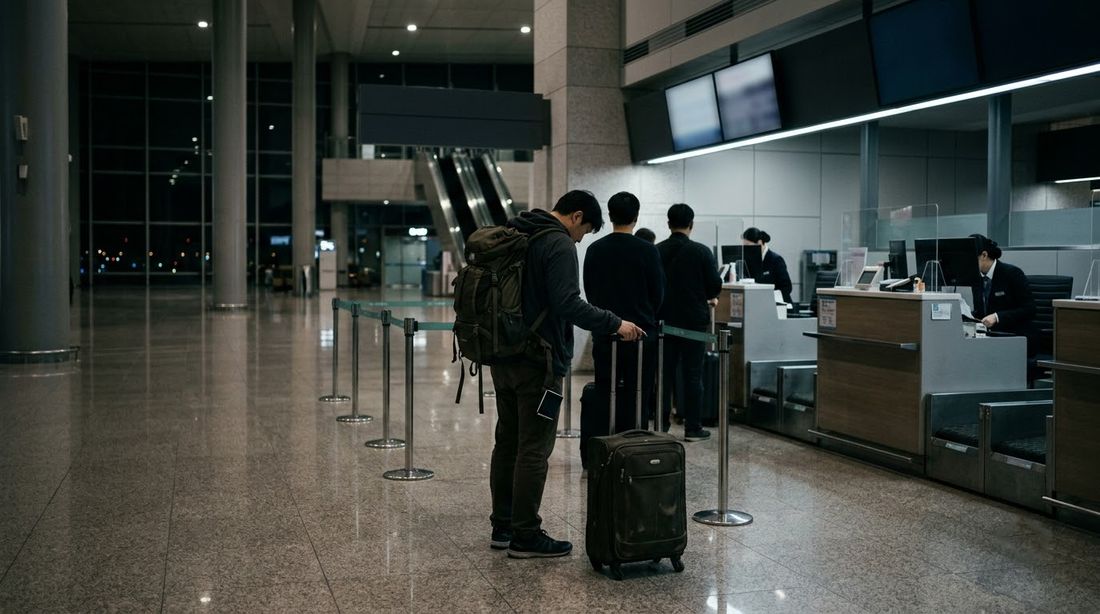
The low price comes with friction a day pass does not have. A physical SIM means swapping cards in an airport hall after a long flight, and only at a roaming center. Phones that are still locked to a U.S. carrier cannot use either the SIM or the eSIM. Passport verification is needed before you can receive calls and texts, and long-term residents staying 91 days or more cannot complete it. A data-only plan has no voice service at all, which matters if a Korean delivery app or bank wants to text you a code.
For a weekend, a day pass may be worth the extra money. The longer you stay, the more a Korean plan wins.
A density story, again
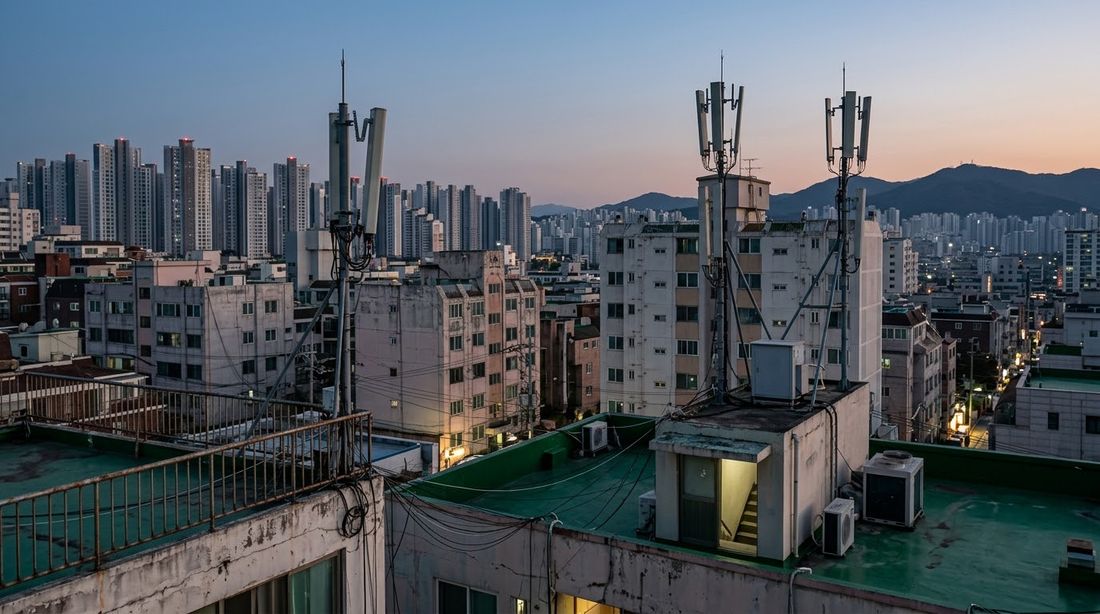
Earlier parts of this series looked at why a Korean subway tunnel rarely drops your signal and why home internet is so cheap. The same logic applies here. A network built for more than 51 million registered residents, most of them in dense cities, already has towers in exactly the places tourists go. Adding one more phone for ten days does not require new equipment, which is part of why a carrier can price a visitor plan like this.
FAQ
Does a Korea SIM card for tourists come with a phone number?
SK Telecom's data, voice and text plans do. Incoming calls and texts are free after passport verification, and outgoing ones use a prepaid balance. Its one-day data plan is data only.
Can I buy a SIM card at Incheon Airport?
Yes. SK Telecom says its physical SIM cards must be picked up at an airport roaming center after you buy online. An eSIM does not need pickup.
Is the unlimited data really unlimited?
For the LTE plan, SK Telecom lists a sustained speed of up to 100 Mbps with no data cap. The 5G plan is listed at up to 200 Mbps, with tethering capped at 1 GB a day.
Sources
- SK Telecom roaming, LTE eSIM plan prices by day (3 to 30 days)
- SK Telecom roaming, LTE SIM plan, pickup and passport rules
- SK Telecom roaming, one-day LTE data plan and speed limits
- SK Telecom roaming, plan overview (5G and LTE starting prices)
- AT&T, International Day Pass details
- Ministry of the Interior and Safety, registered population (51,217,221 at the end of 2024)
This is part 51 of a series on why daily life in Korea feels so frictionless. Part 50 looked at why a government counter is a short walk from most Korean homes. Earlier parts are here.
Next in this series: how the tax refund works when you shop in Korea, and why the refund is a little smaller than the tax on the receipt.


Comments
Post a Comment