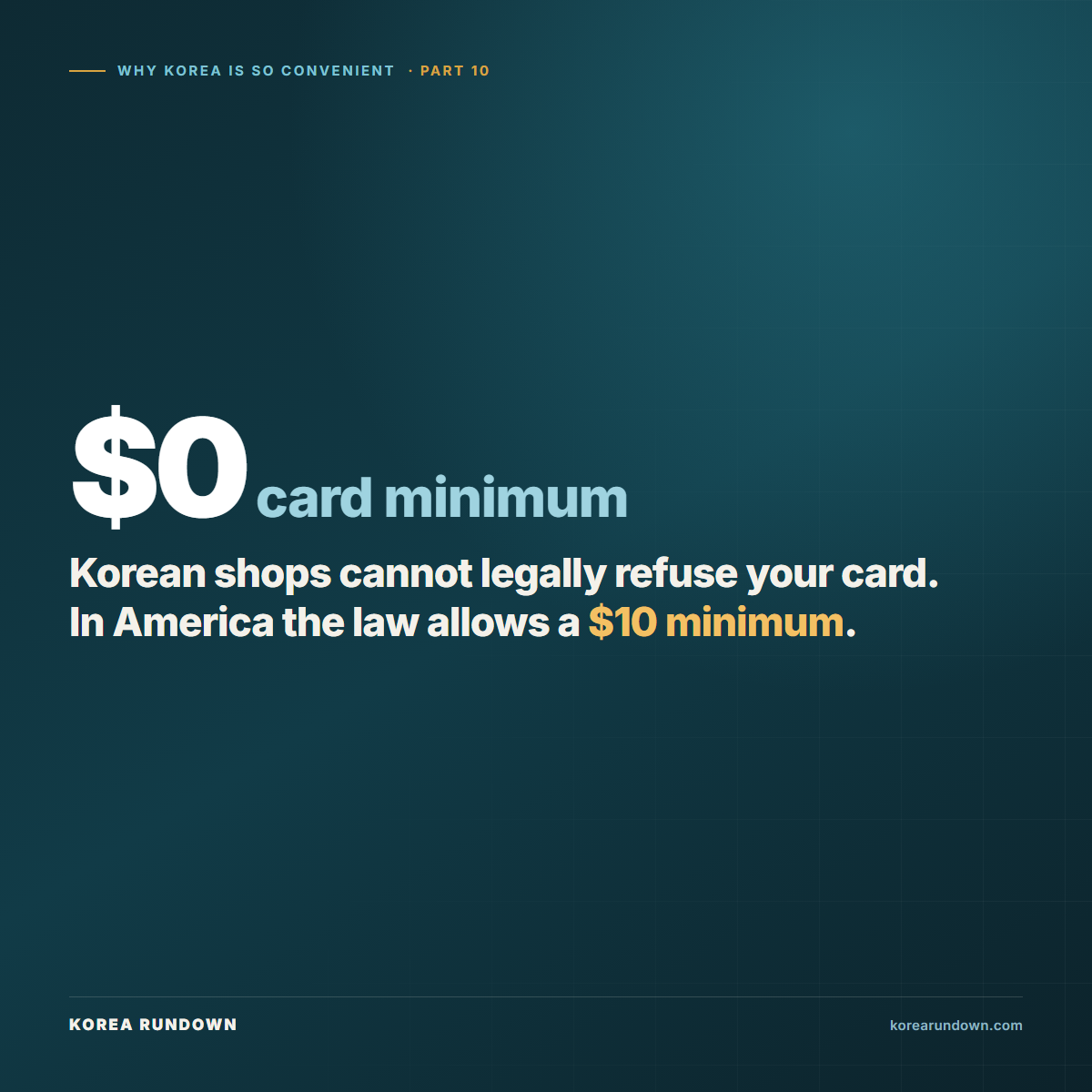
In Korea a Shop Cannot Legally Refuse Your Card. In America the Law Allows a $10 Minimum.
The sign is taped to the register and you have read it a hundred times. $10 minimum on cards. You are buying a coffee and a banana. So you either add something you did not want, or you walk to the ATM on the corner and pay it three dollars to give you your own money. Later that week you are in a different city and your transit card is useless there, so you download another app, make another account, and load another balance you will never fully spend.
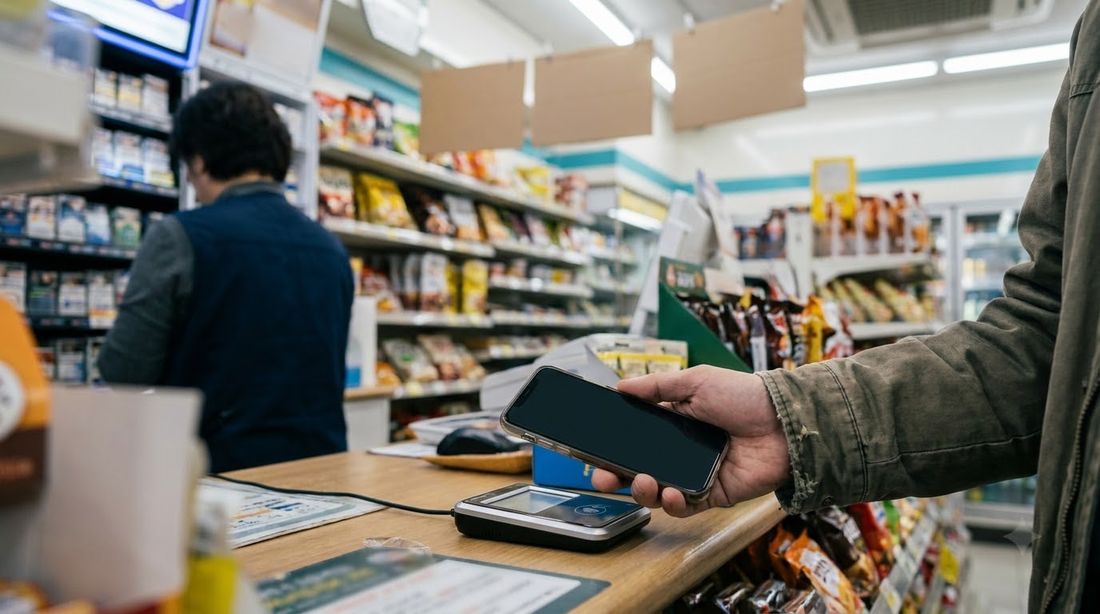
In Korea neither of those things happens, and the reason is not that Koreans are especially fond of technology. It is that both were made illegal or unnecessary by decisions taken years ago.
Nobody can refuse your card
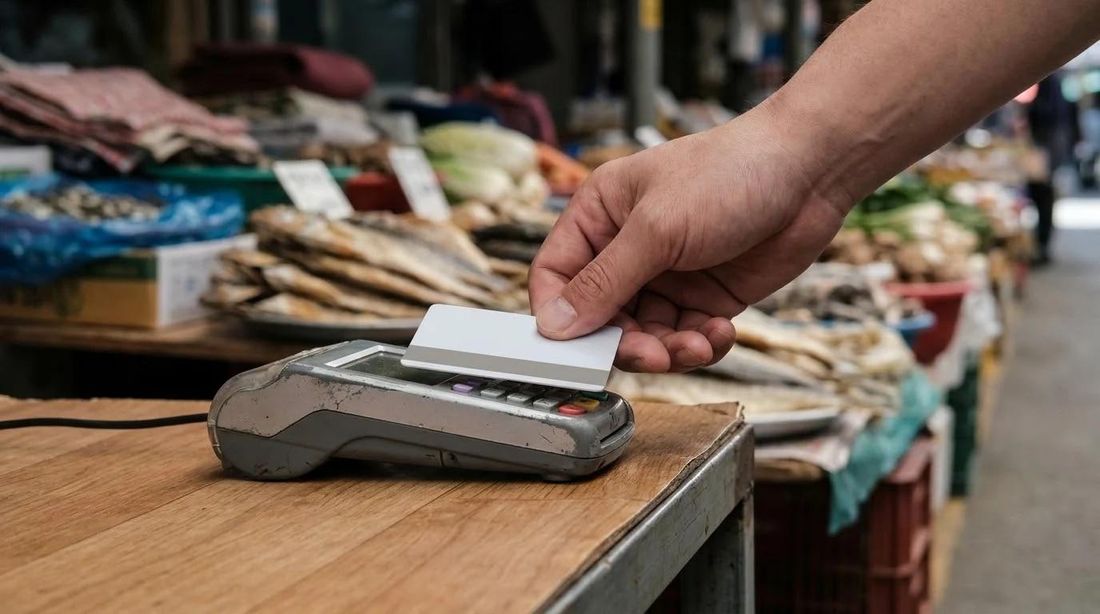
Article 19 of Korea’s Specialized Credit Finance Business Act says that a card-accepting merchant may not refuse a card transaction, or treat the cardholder unfavorably, on the grounds that it is a card transaction. There is no floor. A 1,500-won bottle of water is a card transaction like any other, and a shop that pushes you toward cash is breaking the rule rather than exercising a preference.
The contrast with the United States is not a matter of custom either. Under the Durbin Amendment to the Dodd-Frank Act, passed in 2010, American merchants are explicitly permitted to set a credit card minimum of up to $10. The sign on the register is not a shop being difficult. It is a shop using a right that Congress wrote into law.
Two countries, two statutes, opposite results at the counter.
What that did to cash
The Bank of Korea surveys how people actually pay. Counted by number of transactions, cash was 15.9% of payments in 2024. Credit cards were 46.2%, check cards 16.4%, mobile cards 12.9%. Cards of some kind account for about three quarters of everything.
One tap, everywhere
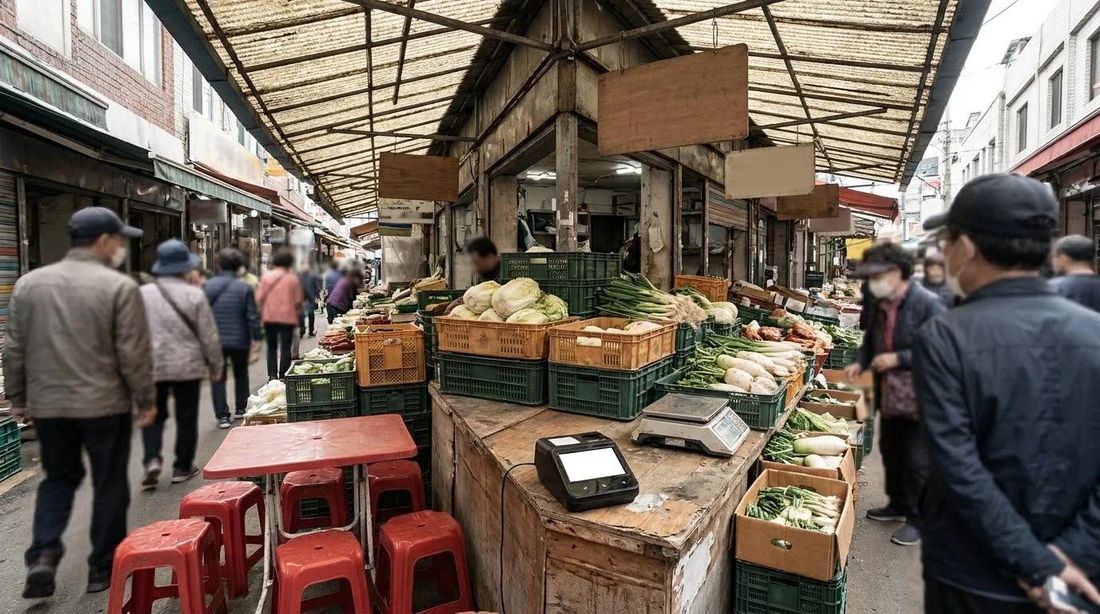
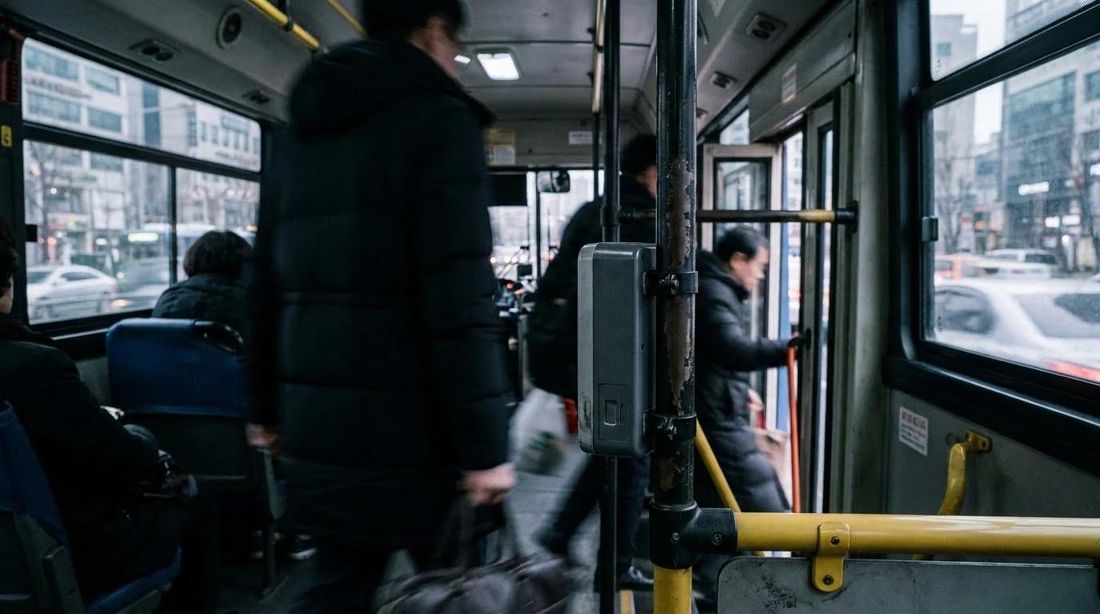
The transit side has a similar shape. A Korean transit card is not a city product the way a subway card usually is in America. The same card works on the subway, on city buses, on intercity buses and in taxis, and it works in other cities rather than only the one where you bought it. Then the same card pays for a bottle of water at the convenience store on the way out of the station.
An American moving between cities collects these things the way other people collect loyalty cards. New York has one system, the Bay Area another, Boston another, Chicago another. Each was procured separately by a separate agency, each has its own balance sitting somewhere, and none of them buys you a bottle of water. The fragmentation is not a failure of engineering. It is what happens when a dozen independent authorities each run their own tender.
None of that required a new invention on the Korean side. It required everyone agreeing to one standard early, in a market small enough that agreement was possible. That is the part American readers should sit with: the reason your transit card does not work in the next city is not technical.
The honest part
Making card acceptance compulsory does not make it free. Somebody pays the processing fee on that 1,500-won bottle of water, and it is the merchant. Card fees for small businesses have been a live political fight in Korea for years, with the government repeatedly stepping in to cap the rate small merchants are charged. The convenience at the counter is partly a transfer from the shop to the customer, and small shops have said so loudly.
There is a second cost. A payments system this card-dominant is harder to live in without a card or a smartphone, which mostly means older people and people outside the banking system. Korea has debated this seriously enough that the central bank has run pilot work on cash access. This series has tried not to sell Korean convenience as free, and this is one of the clearer cases where it is not.
The part that is not density
It would be dishonest to file this one under urban form. A statute forbidding card refusal would work identically in a country of detached houses. What density did was make the single tap worth building in the first place — when half a country’s population moves through one metropolitan transit network, a common standard pays for itself quickly, and the political will to mandate one is easier to find.
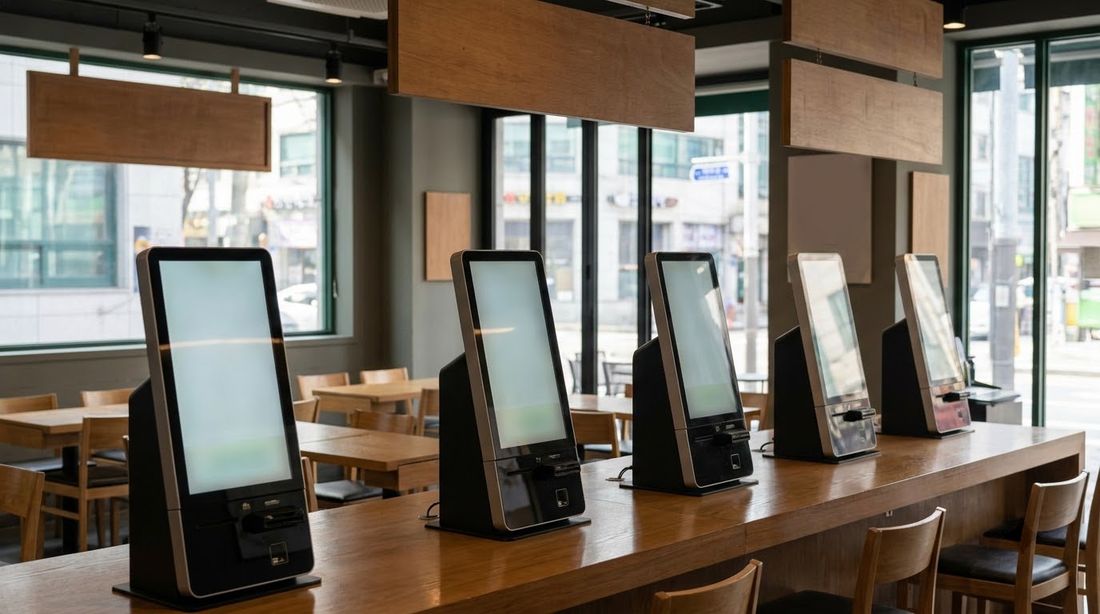
Density explains why the system was built. Law explains why it reaches the corner shop.
This is part 10 of a series on why daily life in Korea feels so frictionless. Part 9 counted the cafes and asked why they let you sit all day. Earlier parts are here.
Next in this series: the apartment complex as a unit of daily life — and why it is the shortest explanation for everything in this series.


Comments
Post a Comment