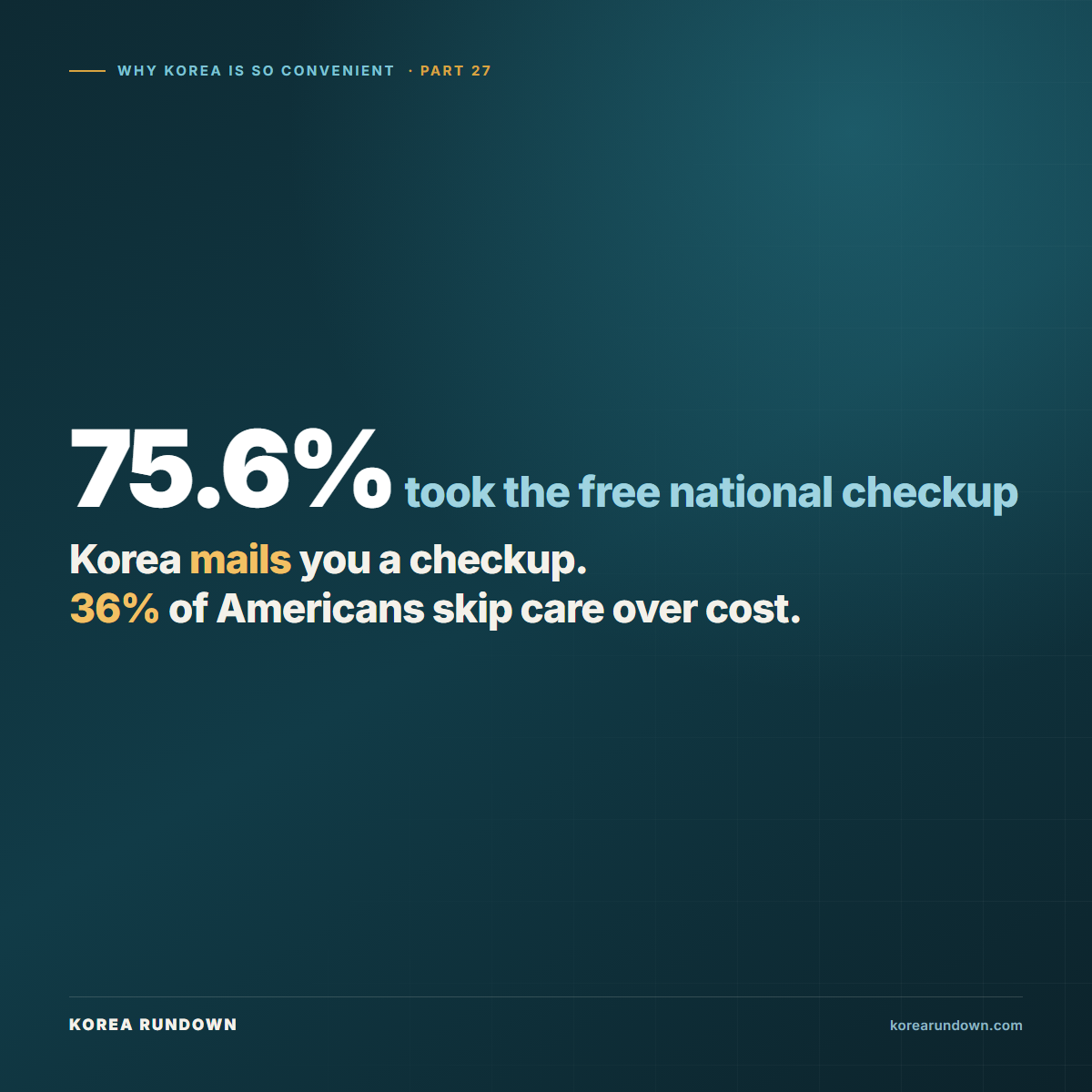
Korea Mails Every Adult a Free Health Checkup Every Two Years. 75.6% Take It.
If you have American health insurance, you have been told that preventive care is free. That sentence is technically true and practically slippery. The Affordable Care Act requires plans to cover a specific list of preventive services — the ones the U.S. Preventive Services Task Force grades A or B — with no cost sharing, and the Supreme Court upheld that requirement in 2025. What it does not do is hand you one exam. It hands you a list, and the list only pays out if the visit is coded as screening rather than diagnosis.
The colonoscopy is the canonical case. Booked as a screening it is covered; if the doctor finds and removes a polyp, the same procedure can be re-coded as diagnostic, and the bill arrives. Federal guidance has closed part of that gap for follow-up colonoscopies after a positive stool test. But insurers' claims systems still apply cost sharing based on how the provider codes it, so the patient's bill depends on a keystroke they never see.
And all of that assumes coverage. An estimated 27.1 million people, or 8.0% of the U.S. population, had no health insurance at any point in 2024, according to the Census Bureau. In a KFF poll taken in late 2025, 36% of adults said they had skipped or postponed health care they needed in the past twelve months because of the cost.
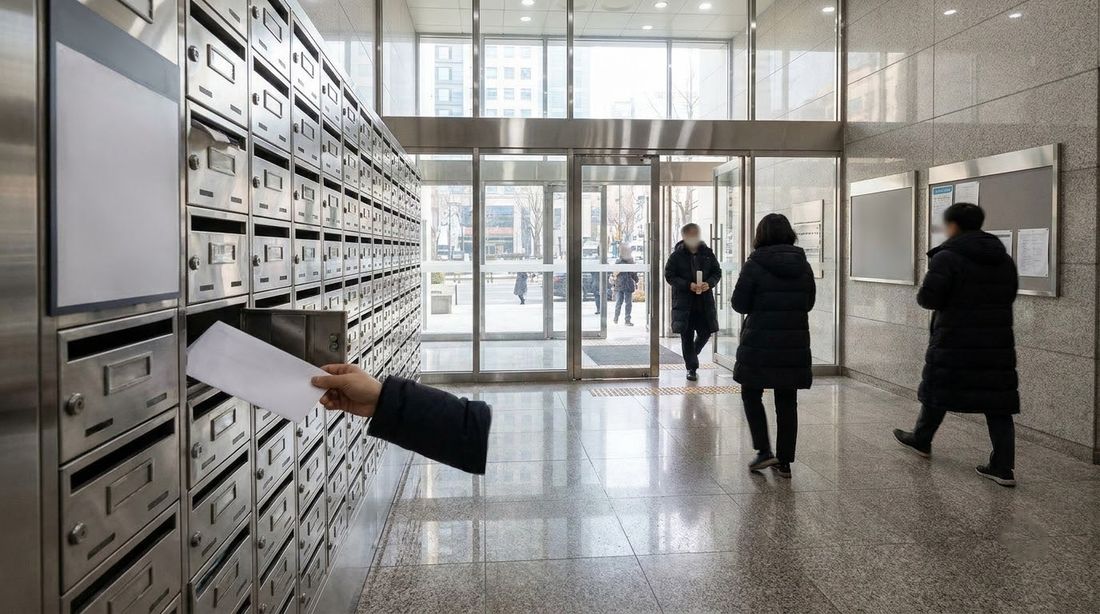
In Korea, it arrives as a letter
The Korean version has no decision in it. Every other year a notice arrives from the National Health Insurance Service telling you that you are due. You take it to almost any ordinary neighborhood clinic, on a morning you pick, and you are out in under an hour.
What the standard exam covers, per the NHIS: a consultation, height and weight, vision and hearing, blood pressure, a chest X-ray, blood work, a urine test, and a dental check. Layered on top are age- and sex-specific items — cholesterol, hepatitis B at 40 and hepatitis C at 56, lung function at 56 and 66, bone density for women at 54, 60 and 66, cognitive and depression screening for older adults. Adults 20 and over are eligible, the cycle is every two years, and people in non-office jobs get it annually.
The patient pays nothing. Not a reduced rate, not a copay applied and refunded — the general health checkup carries no patient cost share at all.
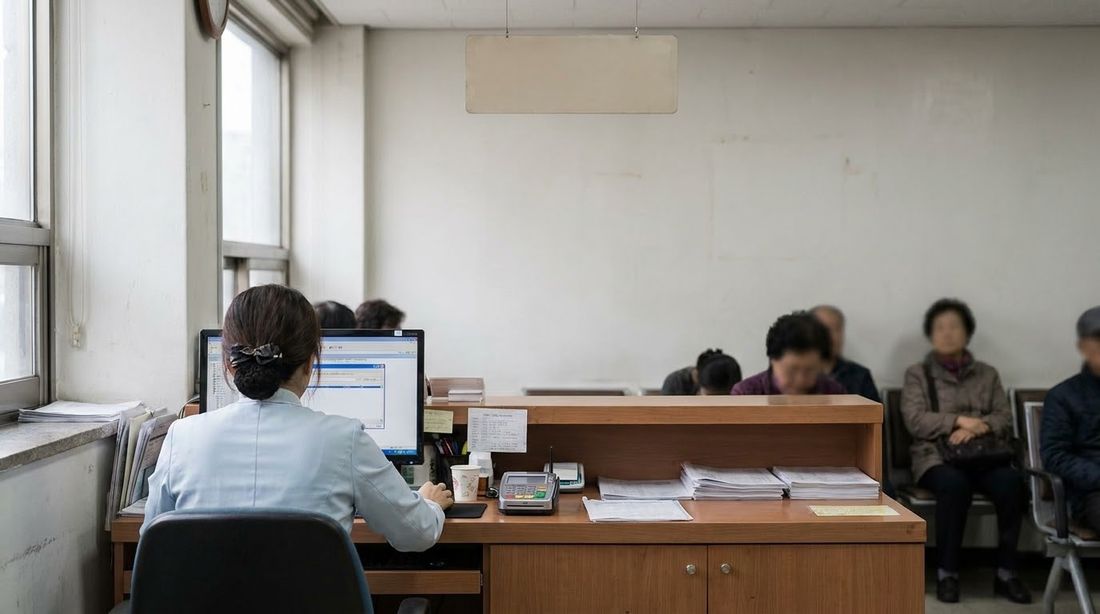
The trick is not generosity. It is that one file has everyone in it.
A program like this is not hard because of money. It is hard because of addressing: to tell tens of millions of adults when they are due, you have to know who they are and where to write. Korea has a single national insurer with one enrollment record covering essentially the whole population, so the state already holds that list. It then does something almost comically simple with it — splits the country by birth year. Even years go in even years, odd in odd. Half the eligible population is called each year, with no application and no one deciding whether they qualify.
There is no American list to write to. Coverage is assembled from employers, marketplaces, Medicaid, Medicare and nothing, and it changes when you change jobs. A national letter would have no consistent sender and no complete address book.
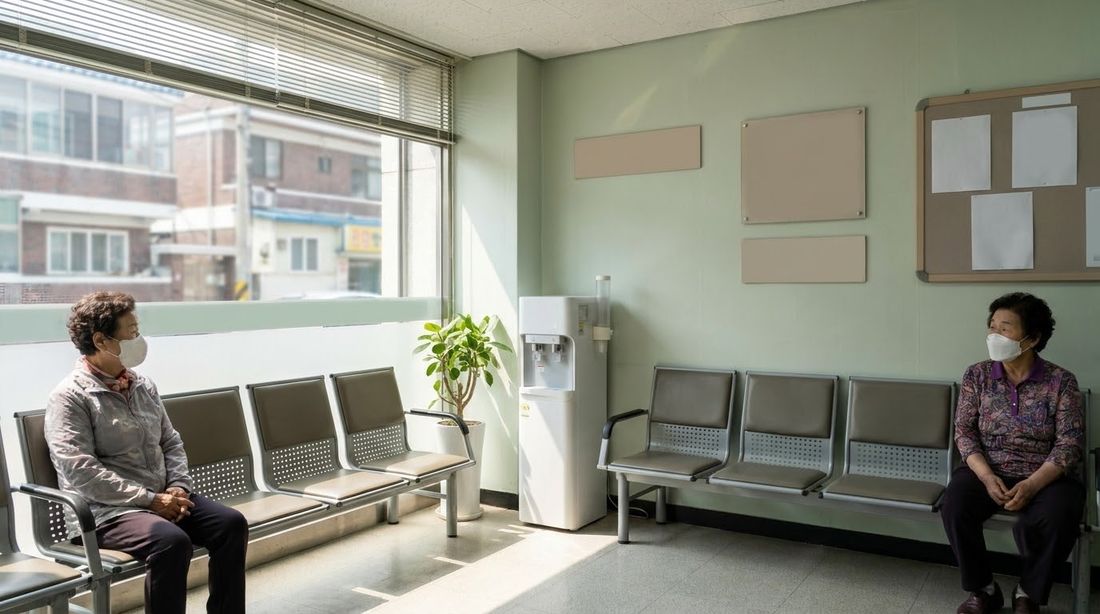
It is not that Koreans are more health-conscious
That explanation is available and it does not survive the data. The exam is free, the letter arrives unprompted, and roughly one in four eligible adults still does not go. On the cancer side the gap is wider: combined participation across the six screened cancers was 60.2% in 2024, so four in ten people declined a screening that cost them nothing. Korea's participation rates are high, but they are high in the boring way a well-addressed mailing is high. They are not evidence of a different attitude toward one's own body.
The honest part — what the free exam is not
Three things cut against the picture, and they matter.
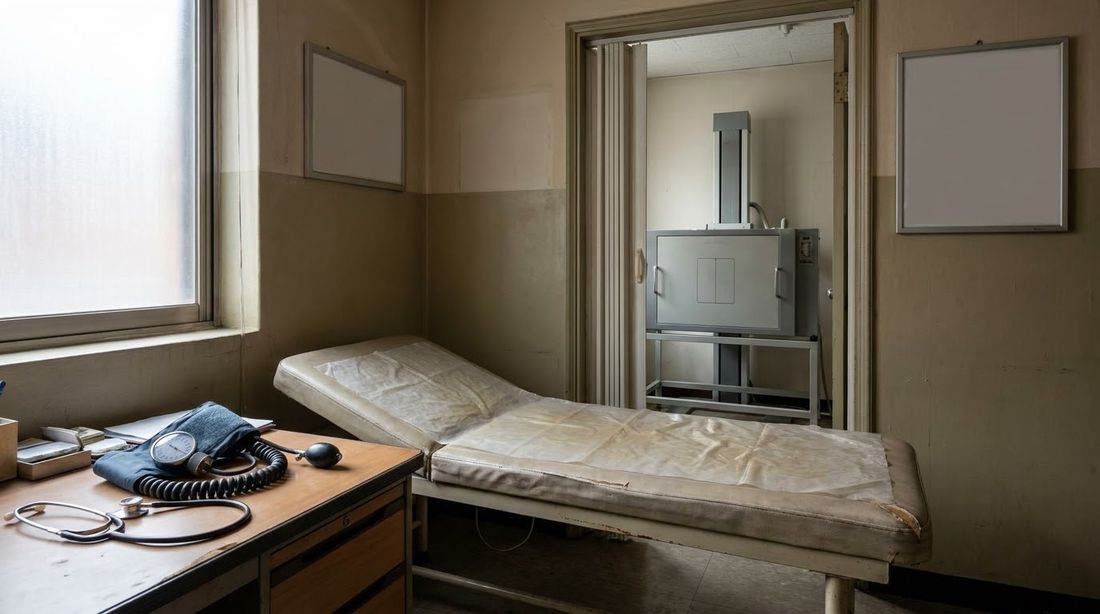
The first is scope. This is a screening panel, not a comprehensive physical — built to catch the handful of conditions that are cheap to test for and expensive to miss. A Korean who wants a full workup buys it privately.
The second is that free ends at the finding. The moment something turns up, you are in the ordinary system, paying the ordinary outpatient share — which, as Part 25 covered, is 30% at a local clinic. The screen is free. The consequence is not.
The third is that the national cancer screening program is not uniformly free the way the general checkup is: some of the six screens carry a small patient share, waived for lower-income households. I could not confirm the current copay schedule against an official source while writing this, so I am not quoting a percentage for it. Treat the cancer screening as low-cost rather than zero-cost.
Where it actually comes from
The letter is the easy half. The hard half is that the letter has to be usable, and that is where this looks like every other entry in this series.
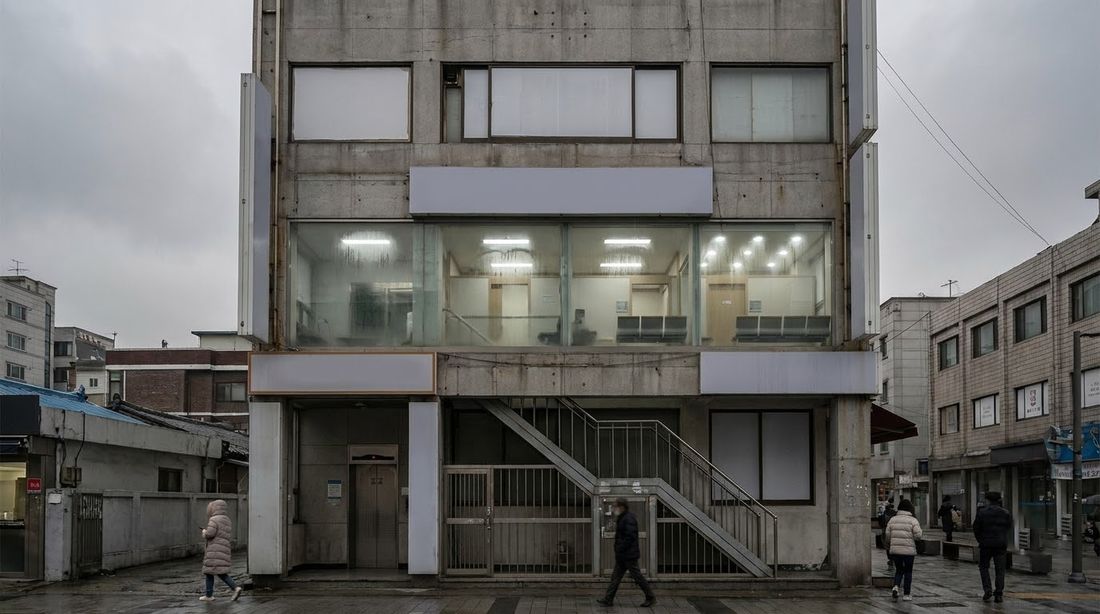
The Korean checkup is not delivered at special screening centers. It is delivered at ordinary neighborhood clinics — the same small practices stacked on the second and third floors of commercial buildings that Part 21 was about. A clinic that can run bloods and a chest X-ray sits within walking distance of most Korean addresses because most Korean addresses are stacked: 54.5% of households live in apartment complexes, and just over half the population lives in the capital region. The catchment that makes a small clinic viable is a few blocks deep.
Write the identical statute into American law and the letter still goes out, but for a large share of recipients the nearest participating facility is a drive, on a weekday, during working hours. The policy would be the same. The distance would not be. That is the whole difference, and it is not a difference in how much anyone cares.
This is part 27 of a series on why daily life in Korea feels so frictionless. Part 26 looked at why Korean building code puts a daycare inside every 300-unit complex. Earlier parts are here.
Next in this series: the phone bill. Korea's budget carriers just passed ten million subscribers, and the reason is a line in a statute rather than a price war.


Comments
Post a Comment