Build 500 Apartments in Korea and the Law Makes You Put a Gym and a Library Inside
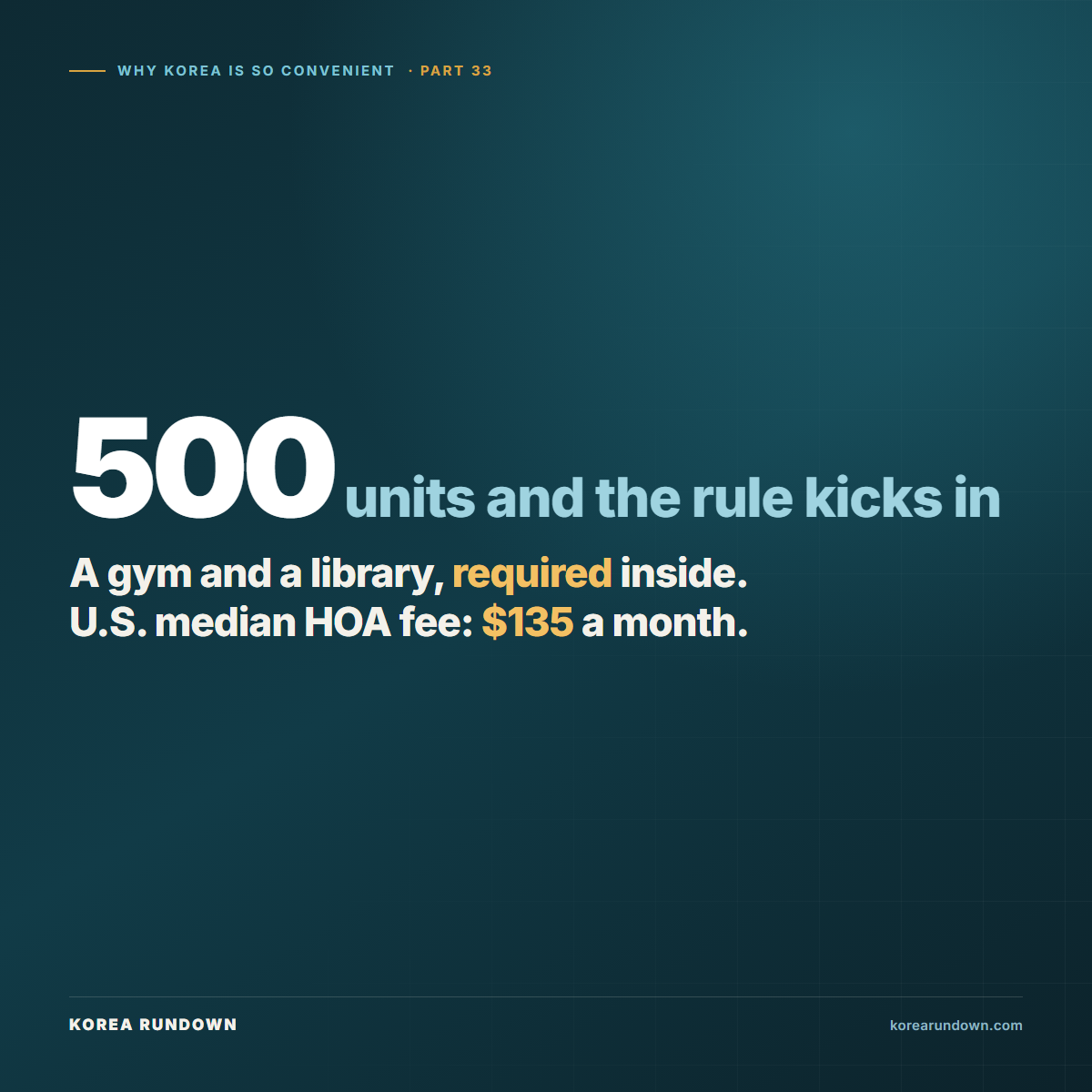
Count what an American household arranges separately: a gym, a quiet room where a teenager can study without a sibling in it, somewhere for a visiting relative to sleep. That is a membership and a drive, a public library that in plenty of towns closes at six, and a hotel.
Meanwhile the homeowners association is already billing. The median HOA fee on a U.S. for-sale listing hit $135 a month in 2025, up from $125 in 2024 and $108 in 2019, and 43.6% of listed homes now carry one. What the money buys varies wildly. Landscaping. A pool that opens in June. Sometimes no room you can walk into at all.
In a Korean apartment complex above a certain size, all three of those rooms are downstairs. Not nearby. Downstairs.
What is actually in the basement
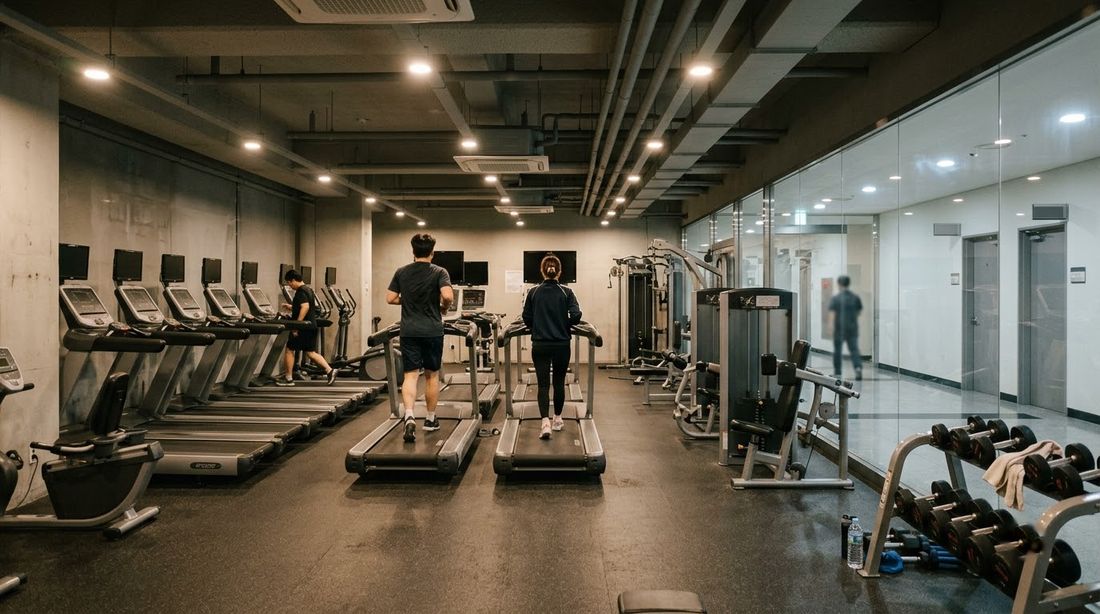
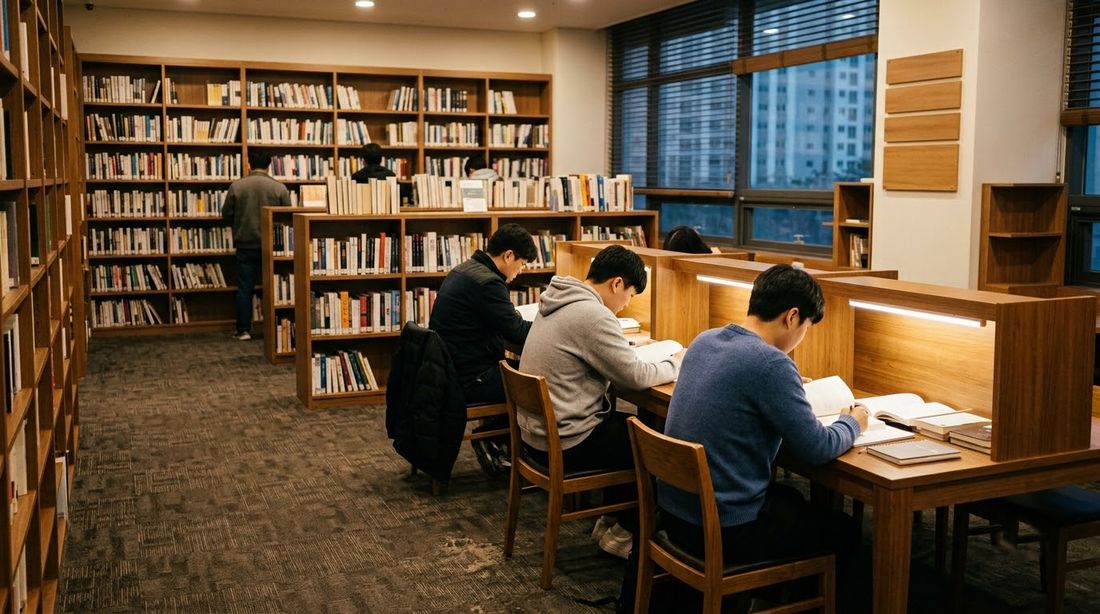
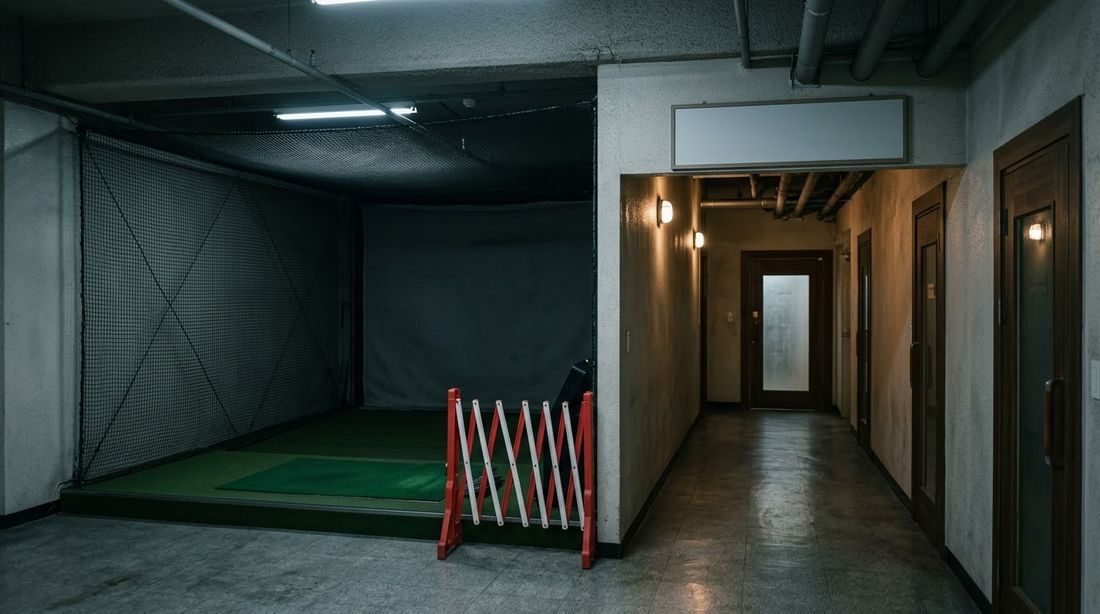
A large Korean complex built in the last decade typically contains, on a floor or two under the towers: a gym, a small library, a paid-silence study room, a senior center, a daycare, and in newer ones a golf practice bay, a sauna, and a guest suite residents book by the night for visiting family.
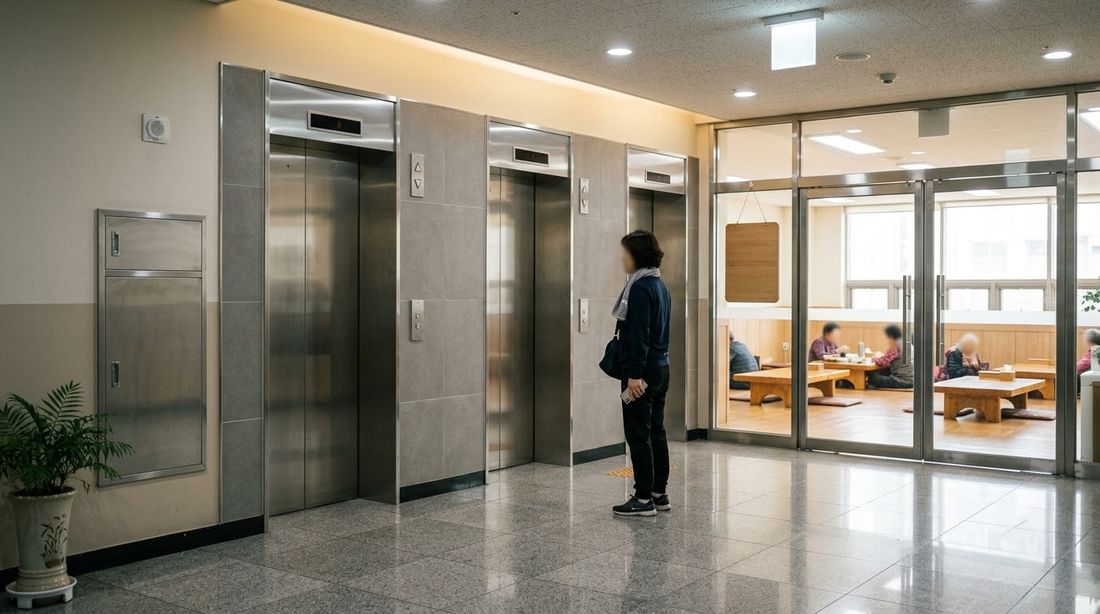
Residents reach all of it in an elevator. No drive, no parking, no separate membership card, and for most of it no separate company — the complex runs the rooms itself or hires a manager to.
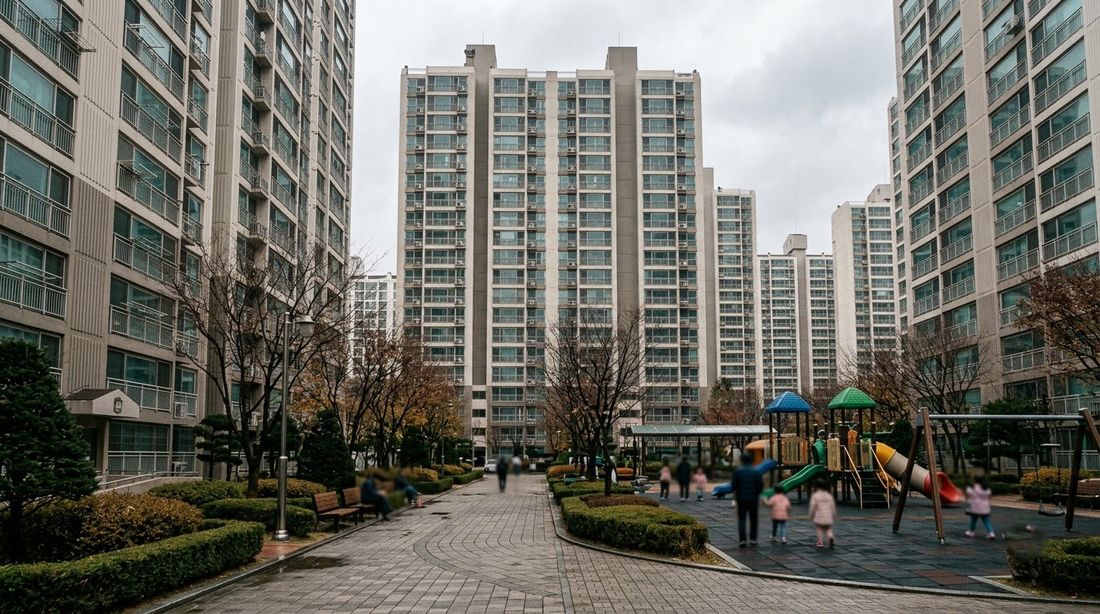
The unit count is written into the building code
This is not a developer being generous. Korea's Regulations on Standards for Housing Construction attach required resident facilities to the size of the complex. At 300 units, a development must include a senior center, a children's playground, and a daycare. At 500 units, it must add resident exercise facilities, a small library, and a community care center — the care-center requirement cleared the State Council on 5 January 2021. The small library has its own floor: at least 33 square meters and 1,000 volumes for a privately run one.
The rules bend: an approving authority can waive a facility that nearby provision makes redundant, and the care center can be dropped if a written majority of prospective residents object. But the default is that the rooms get built, because the permit depends on them.
Nobody is allowed to earn a margin on it
The second half of the mechanism is the part Americans tend to miss. Under Korea's apartment management law, shared resident facilities may not be operated for profit. A complex can charge for the gym, but the fee is capped at the management cost plus any outsourcing commission. There is no margin in it by statute.
That is why the downstairs gym is cheap. Not a subsidy, not a cultural preference for sharing — a legal ceiling on what the room may cost its users. A 2017 amendment went further and opened the facilities up: with residents' consent, people from neighboring complexes can use them too.
The honest part: the arithmetic is coming apart
These rooms are getting expensive to run, and the sales-brochure arms race made it worse. Developers compete on the community floor now, so newer complexes carry heated pools, screen-golf bays and staffed desks that a maintenance budget has to feed monthly.
A roughly 900-unit complex in Seoul's Seongdong district, completed in 2025, charges every household a flat ₩25,000 a month for facility access, with extra fees for classes and heavy use. In one month this year the facilities took in ₩66.51 million and spent over ₩80 million — a ₩17.15 million shortfall, covered by an extra ₩18,000 assessment per household. The gym and golf bay shut for about three weeks. A 4,000-unit Busan complex has had the same argument.
The underlying line is rising for everyone: the national average apartment maintenance charge went from ₩2,442 per square meter of floor area in 2021 to ₩3,033 in 2025, about 24% in four years. And the households who never once ride the elevator down to the gym are billed the same ₩25,000 as the ones who go daily. That is a real grievance, it is now a standing source of disputes, and no rule resolves it.
Where the density comes in
Strip it down and a community gym is one number: fixed cost divided by the households within walking distance of it.
Stack 500 households vertically on a single lot and that denominator is 500 at a travel distance of zero. With 54.5% of Korean households living in apartment complexes, that is the ordinary case rather than a luxury one — which is why a regulation can demand the rooms without killing the project. Spread the same 500 households across detached houses on quarter-acre lots and the geometry breaks: the far end of the subdivision is a drive from the clubhouse, so the room has to compete with commercial gyms for people already in their cars, and it loses.
The American HOA is not worse at this. It is solving a different shape. Korea's version is not evidence of a more communal people — it is a floor plan that makes a shared room the cheapest way to deliver one, plus a law that noticed and forbade marking it up.
This is part 33 of a series on why daily life in Korea feels so frictionless. Part 32 looked at why Korea's public bathhouses are closing on the same curve America's did. Earlier parts are here.
Next in this series: the city with the most cram schools in Korea is not Gangnam, and the reason has nothing to do with ambition.


Comments
Post a Comment