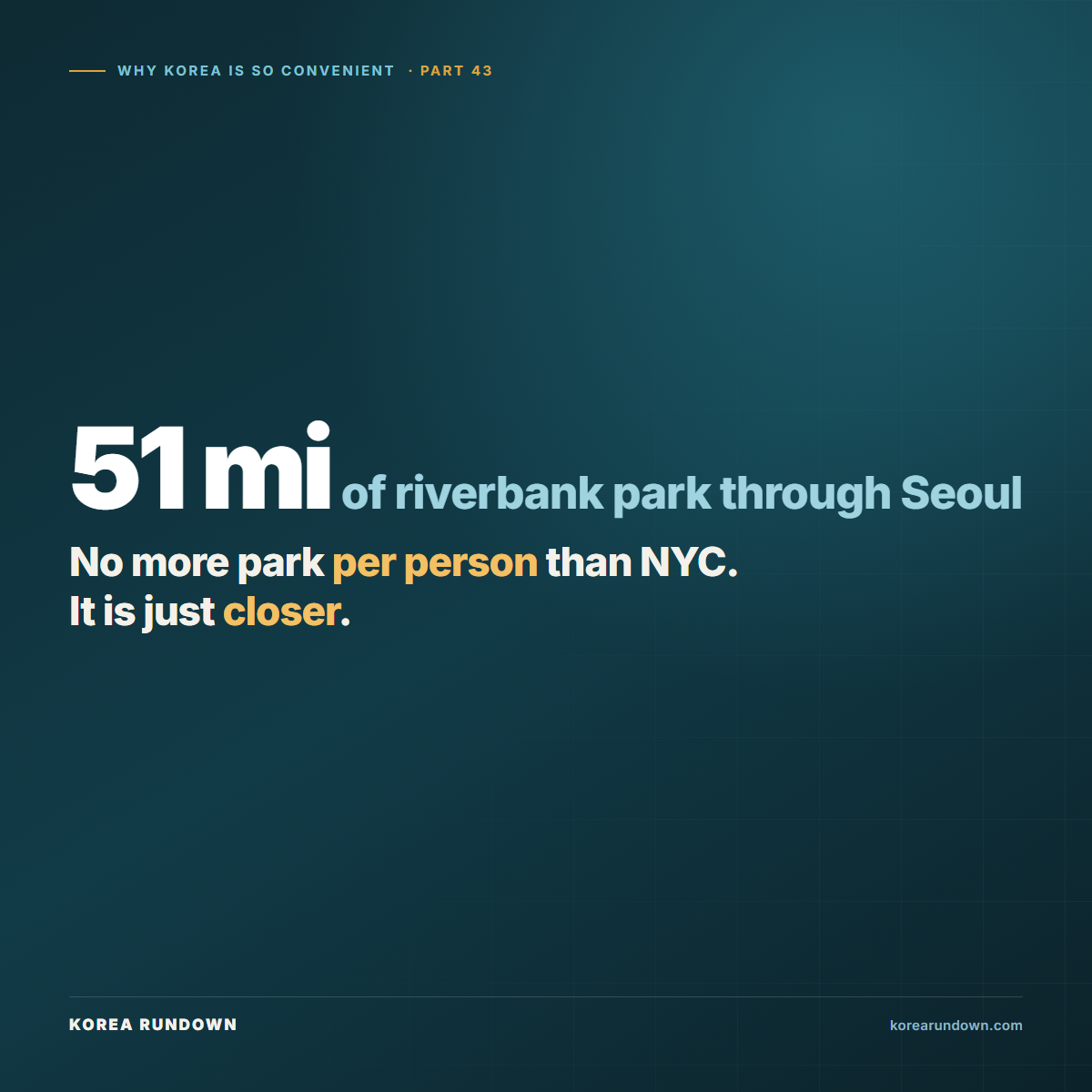
Seoul's Han River Parks Run 51 Miles Through the City. Seoul Still Has No More Park per Person Than New York.
It is a warm Saturday and you want to sit on grass somewhere. The good park is a twenty-minute drive away. The lot will be full by eleven, so you either leave now or circle for a space later. You pack the cooler, load the car, and spend the first half hour of your day off in traffic heading toward the one place in town where everyone else is also heading.
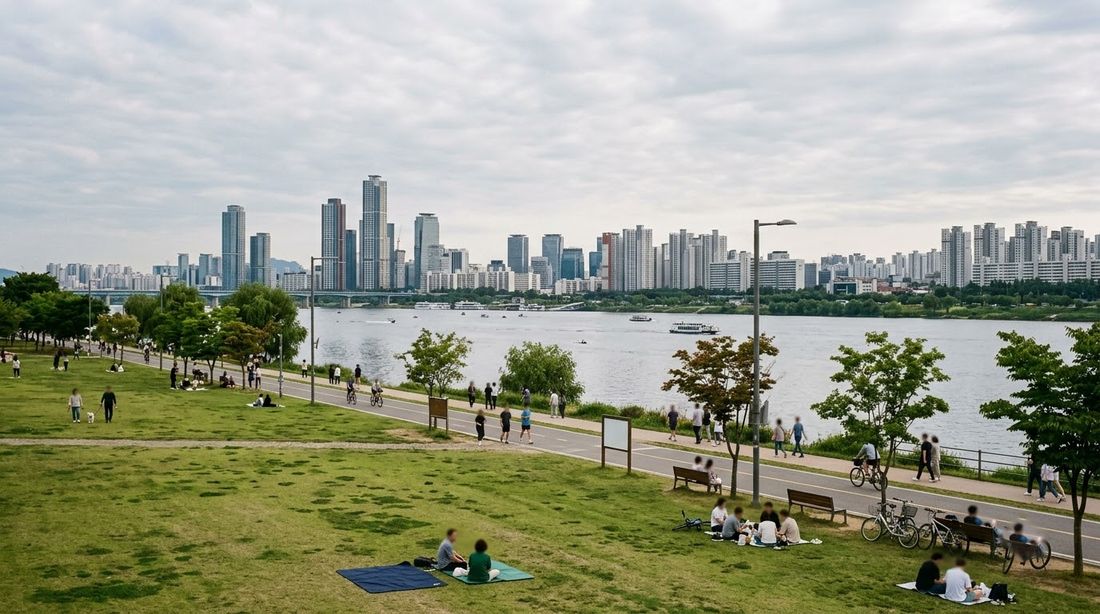
On the same kind of Saturday in Seoul, a lot of people get on the subway. At Yeouinaru station on Line 5, you come up the stairs from exits 2 or 3 and you are at the edge of a riverside park. Yeouido Hangang Park is one of eleven Han River parks, and they run along both banks of the river through the middle of the city. Nobody checks a ticket at the entrance, because there is no entrance to check.
It is tempting to read that as Seoul being a greener, more park-rich city. The numbers say otherwise.
How big the Han River parks actually are
Seoul's river park authority lists the area and length of each of its eleven Han River parks, from Gangseo in the west to Gwangnaru in the east. Added together, they cover about 8.96 square kilometers, roughly 2,200 acres. Central Park, by its conservancy's count, is 843 acres. The river parks are about two and a half Central Parks, laid end to end instead of in one rectangle.
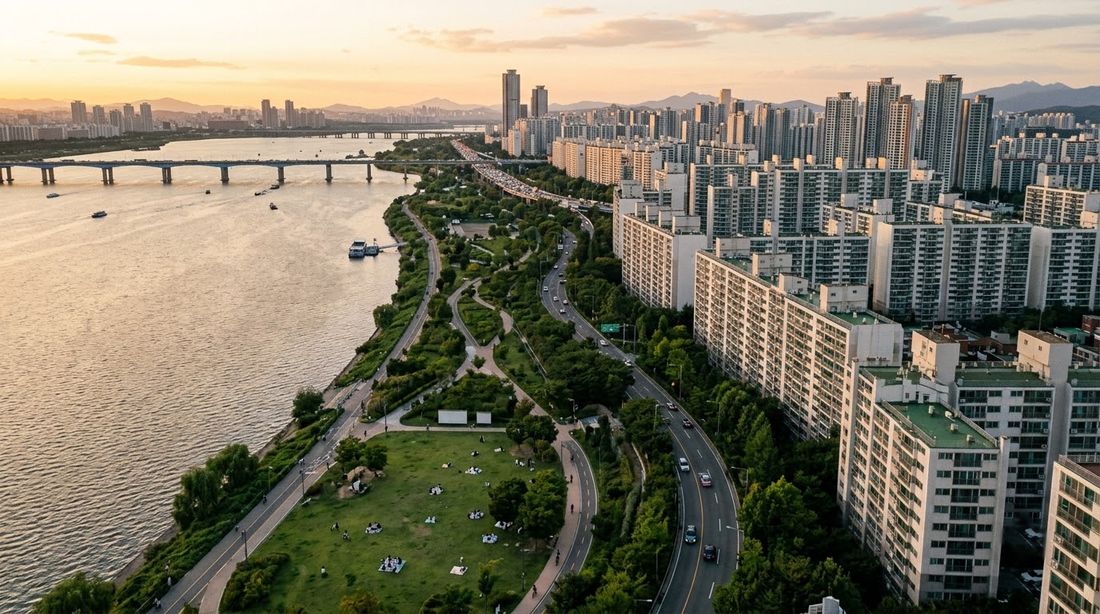
That last part is the point. The listed lengths of the eleven parks add up to about 82 kilometers, around 51 miles. A park shaped like a ribbon touches far more neighborhoods than a park shaped like a block. Along much of the river, the park is the thing at the end of the street.
Seoul does not have more park per person
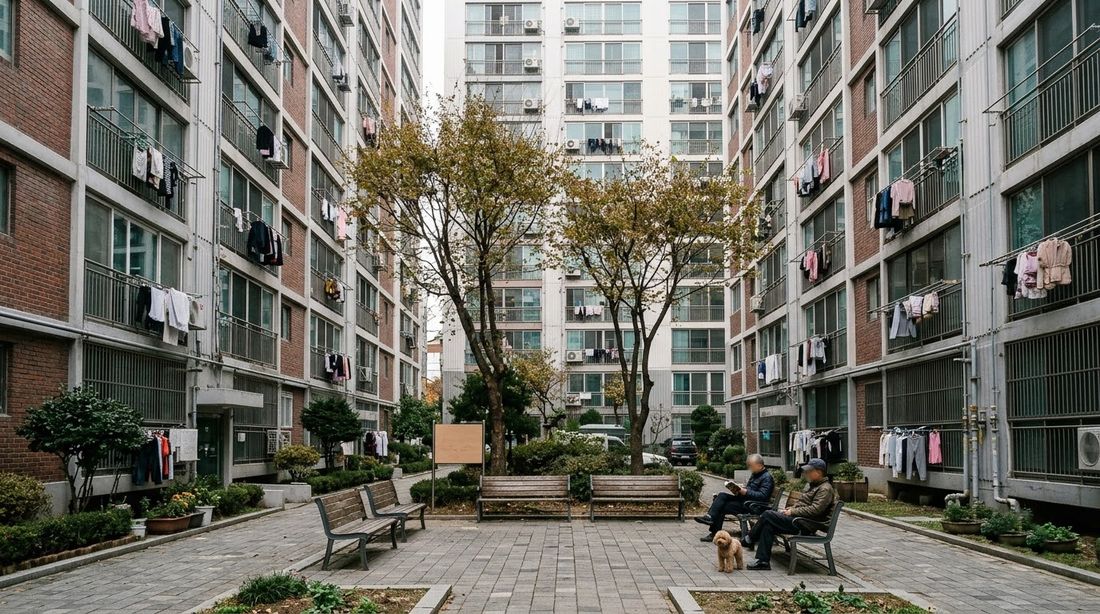
Here is the part that surprises people. When the Seoul Institute, the city's own research body, compared park area per resident across major cities, Seoul came out at about 16.2 square meters per person and New York at about 14.7. That is roughly a tie, and the Seoul figure is flattered: it counts the large mountain parks on the city's edge, such as Bukhansan National Park, which most residents do not visit on an ordinary afternoon. The same report notes that inside Seoul's built-up districts, parks tend to be small and hard-won.
So Seoul does not win on how much park it has. If anything, the useful comparison is with New York, and on that comparison New York does very well.
Why Han River parks in Seoul feel close: density
Look at the second half of that chart. The Trust for Public Land measures how many residents of America's 100 largest cities live within a half-mile of a park, which it treats as a ten-minute walk. In New York the answer is 99.3%. In Los Angeles it is 61.7%. Across the hundred cities the average reached a record 76% in 2025.
New York and Los Angeles are both American, both wealthy, and both run large park departments. What separates them is how tightly people are packed. When many people live on every block, almost any park is within a short walk of a lot of them. When the same people are spread across single-family neighborhoods, the park is still there, but more of them need a car to reach it.
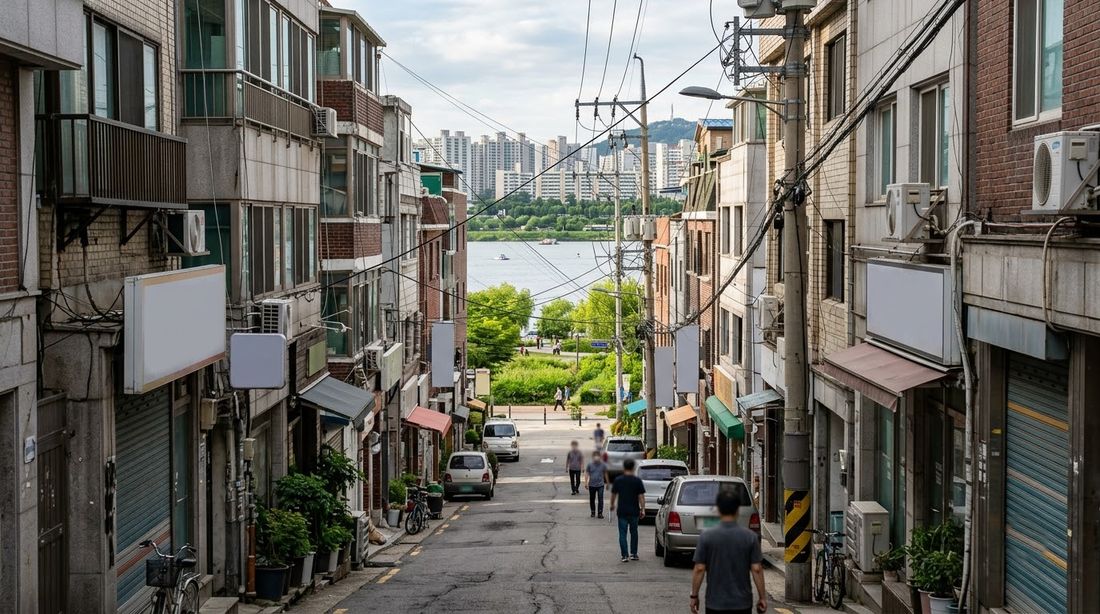
Seoul sits at the New York end of that spectrum, and then adds a geographic accident. A wide river runs straight through the middle of the city, and the land along it was turned into continuous park. A dense city with a 51-mile park running through it does not need more park per person to feel generous.
The honest part: the riverbank is hard to reach in places
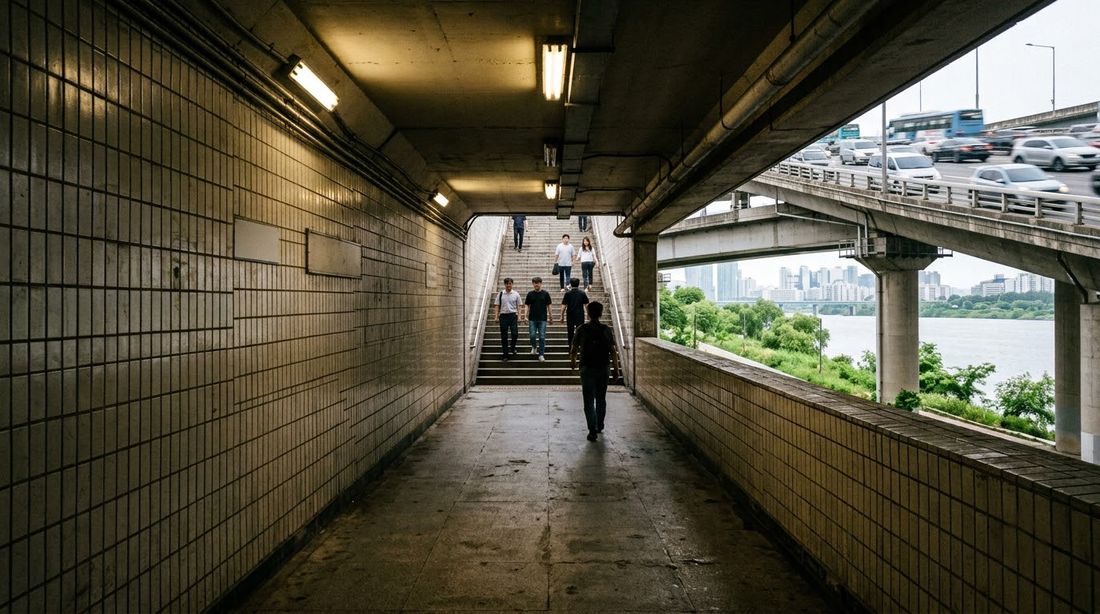
The Han River parks are not a flawless design. Much of the riverbank is separated from the neighborhoods behind it by riverside expressways, and many of the ways in are pedestrian tunnels or stairs that pass under or over the traffic. Some stretches are pleasant to walk to. Others feel like an afterthought.
We also wanted to compare visitor numbers with Central Park, which its conservancy says draws more than 42 million visits a year. Seoul does publish Han River park visitor statistics, but the online tables returned identical totals for every period requested, so the year they describe could not be confirmed. That comparison is left out.
Distance, not devotion
None of this means Koreans care more about parks than Americans do. By park area per person, Seoul and New York are close, and by walking access, New York is among the best-served cities anywhere. The difference an American feels on a Saturday morning is mostly about where they live: in a city where the park is at the end of the street, or in one where it is at the end of a drive.
Seoul's river park is not a sign of greater virtue. It is a long, thin park in a very crowded place, and in a crowded place almost everything ends up within walking distance.
This is part 43 of a series on why daily life in Korea feels so frictionless. Part 42 looked at why Korea has fewer post offices per person than America but about ten times more per square mile. Earlier parts are here.
Next in this series: why a Korean apartment complex built before electric cars existed is now legally required to install chargers, and why an American condo owner usually has to pay for one alone.


Comments
Post a Comment