Korea's Transit Card Refunds Every Won Over 62,000 a Month. New York Caps by the Week, Just Past a Commuter.
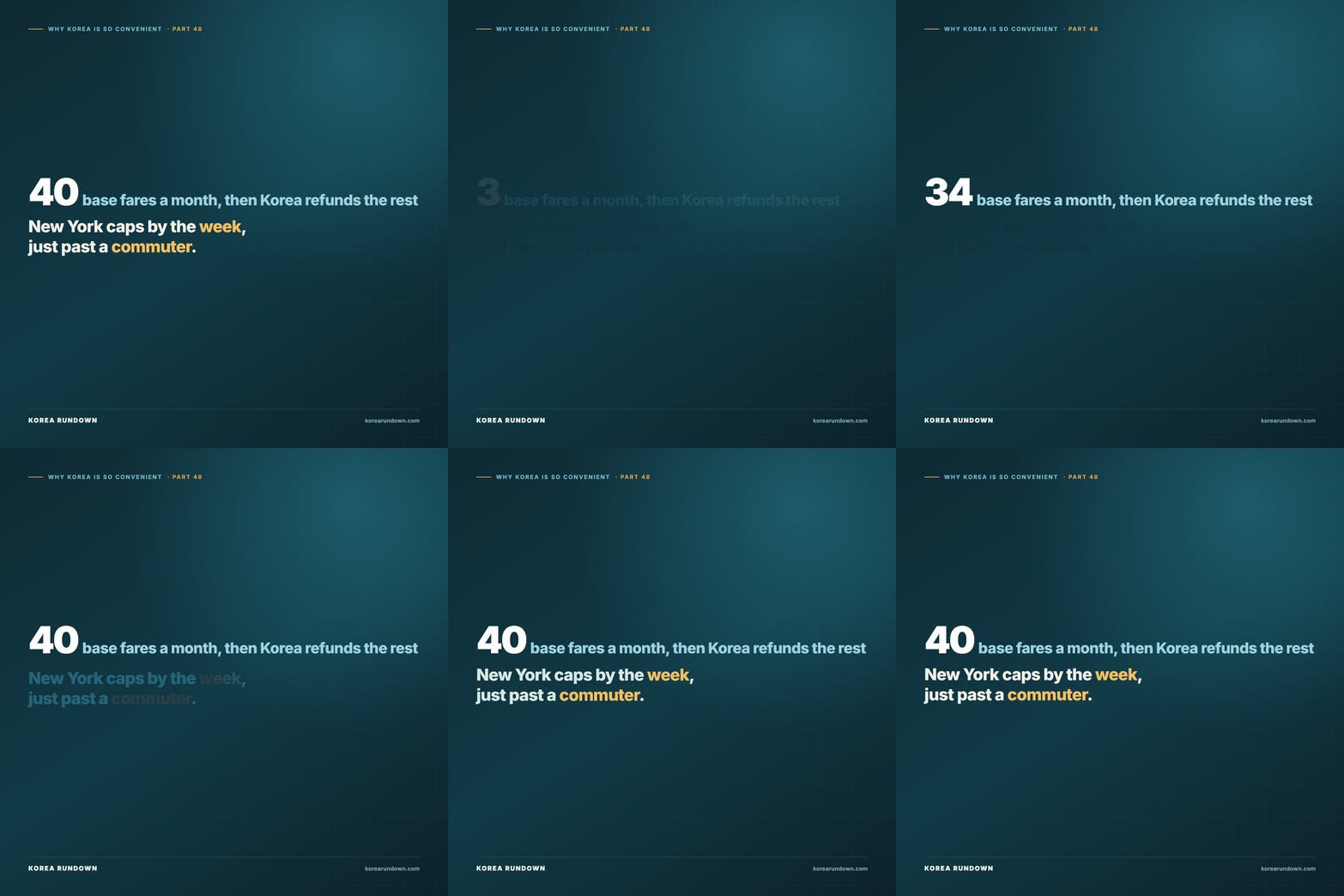
You ride the subway to work and back, five days a week. That is ten rides. In New York, the fare system has a weekly cap that makes the rest of your week free, but it kicks in after twelve paid rides, so a regular commuter never reaches it. The cap you keep hearing about was built for somebody who rides more than you do.
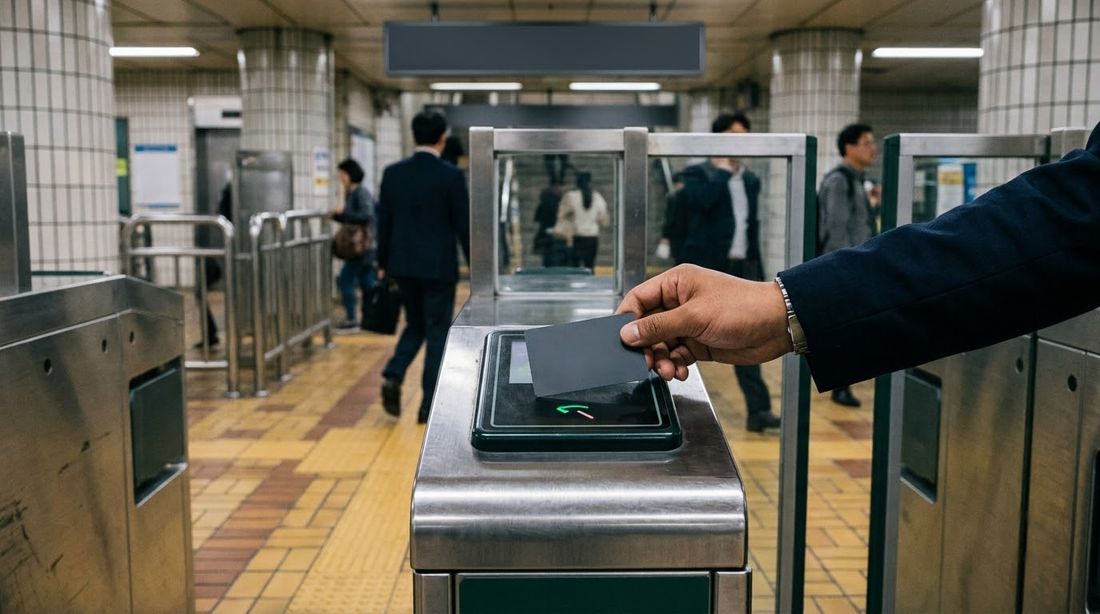
Korea's transit cap is counted by the month instead of the week. In 2026 the national government replaced its old transit discount card with a new one, called the Modu Card, roughly "everyone's card." Once a rider in the Seoul region spends more than 62,000 won on public transit in a month, the government refunds everything above that line. A commuter's month is long enough to cross it.
How Korea's monthly transit cap works
According to the Korean government's policy news service, the old card, K-Pass, gave back a fixed share of what riders spent, between 20% and 53% depending on the rider. The new card works differently. Riders who take public transit at least 15 times a month get back the full amount they spend above a monthly threshold.
For an ordinary adult in the Seoul capital region, the threshold on the basic version is 62,000 won a month. The basic version covers rides that cost under 3,000 won each, which includes ordinary subway and city bus trips. A "plus" version, with a 100,000 won threshold, covers every mode with no per-ride fare limit, including rides that cost 3,000 won or more. Young adults, older riders and families with children get lower thresholds.
At Seoul's adult subway base fare of 1,550 won, in effect since June 28, 2025, 62,000 won is exactly 40 base fares. A commuter who rides twice a day on 22 working days takes 44 trips, and anyone whose trip runs past the base distance pays more per ride and crosses the line sooner.
New York's weekly cap, by the same yardstick
New York moved in a similar direction at almost the same time. On January 4, 2026, the base fare for subways and local buses rose from $2.90 to $3, and the MTA made its rolling seven-day fare cap permanent: pay for 12 rides in seven days and the rest of that week is free, so no rider pays more than $35 a week. The last day to buy or refill a MetroCard, and with it the old prepaid unlimited cards, was December 31, 2025.
The fairest comparison is in fares, not dollars. Measured that way, New York's cap is not stingy at all. It is the period that differs.
Seoul region: about 44 rides in a 22-workday month. Pays for 40, gets the rest back.
A common assumption: Korea simply spends more on transit
It is easy to read the refund as pure generosity, a richer subsidy that America does not have. The numbers above suggest something narrower. Counted in fares, New York's cap over a month is actually higher than Seoul's.
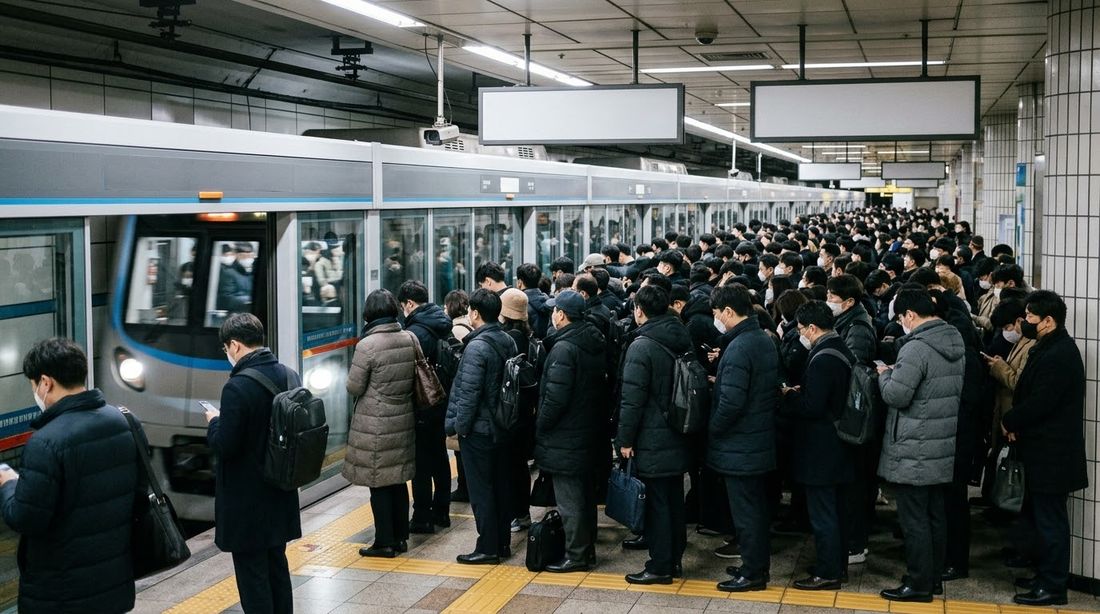
What Korea changed is who the cap is for. A weekly cap set at twelve rides rewards people who ride constantly, including on weekends. A monthly cap set at 40 base fares rewards the ordinary office commuter, the rider who fills a Seoul train at 8 a.m.
The honest part: a refund is not a pass
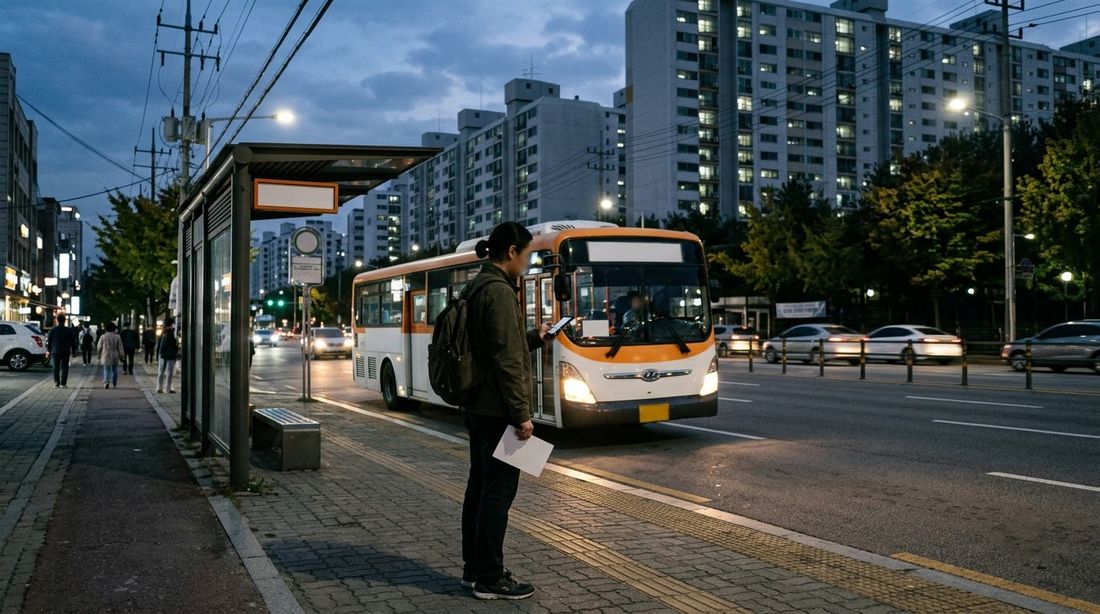
Korea's version has real drawbacks. New York's cap is automatic: tap any contactless card, ride twelve times, and the thirteenth ride is free on the spot, with nothing to sign up for. The Korean card requires issuing a specific card, registering it as a member, and riding at least 15 times a month. And the money comes back as a refund after the month, so a commuter still pays the full amount up front.
Seoul also had something simpler and is giving it up. Its own Climate Card sold 30 days of unlimited city rides for a flat 62,000 won, no refund paperwork involved. The city has posted notice that the 30-day pass is ending and that riders are being moved onto the national card with added Seoul benefits.
Finally, the refund is paid by taxpayers, and whether that is a good use of public money is a live argument in Korea.
Why a commuter-sized transit cap depends on density
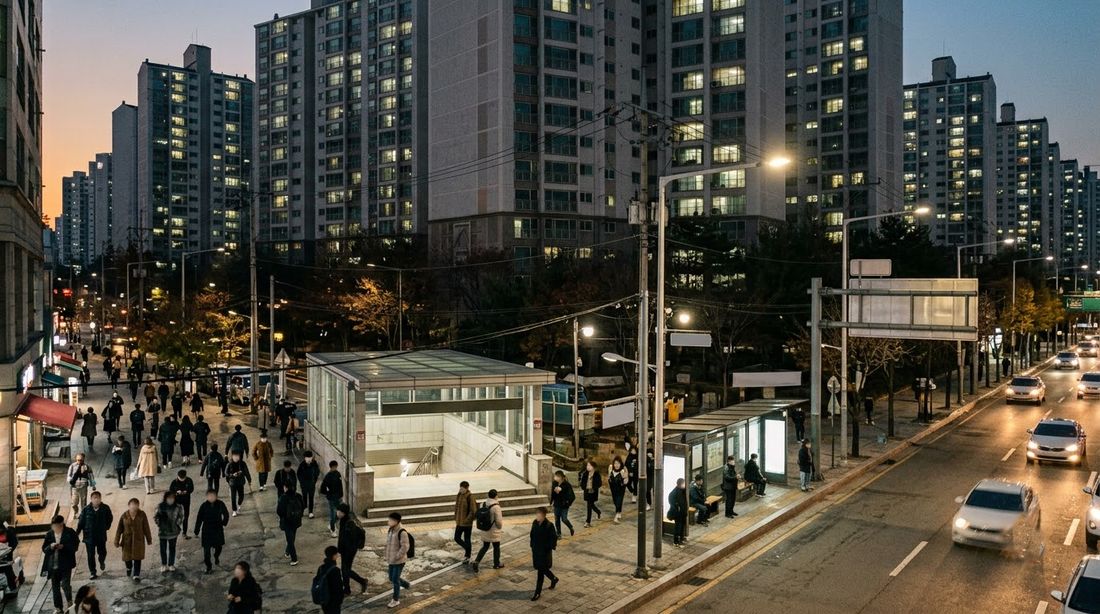
A national transit cap only makes sense in a country where most people can actually reach a bus or subway, and where riding it to work every day is ordinary rather than exceptional. Korea is that kind of country: as Part 16 of this series showed, more than half of Korean households live in apartments, stacked close enough together that a bus stop or subway station is rarely far from the door. Setting the cap at the length of a working month is simply designing for the typical rider.
America can only do this city by city, and New York, the densest one, has already done the part it could. The difference left is a choice of calendar, made by a country where the commuter is the default, not the exception.
This is part 48 of a series on why daily life in Korea feels so frictionless. Part 47 looked at why Seoul moved its bus lanes from the curb to the middle of the road. Earlier parts are here.
Next in this series: another everyday Korean convenience that turns out to be less about national character than about how many people live on the same block.


Comments
Post a Comment