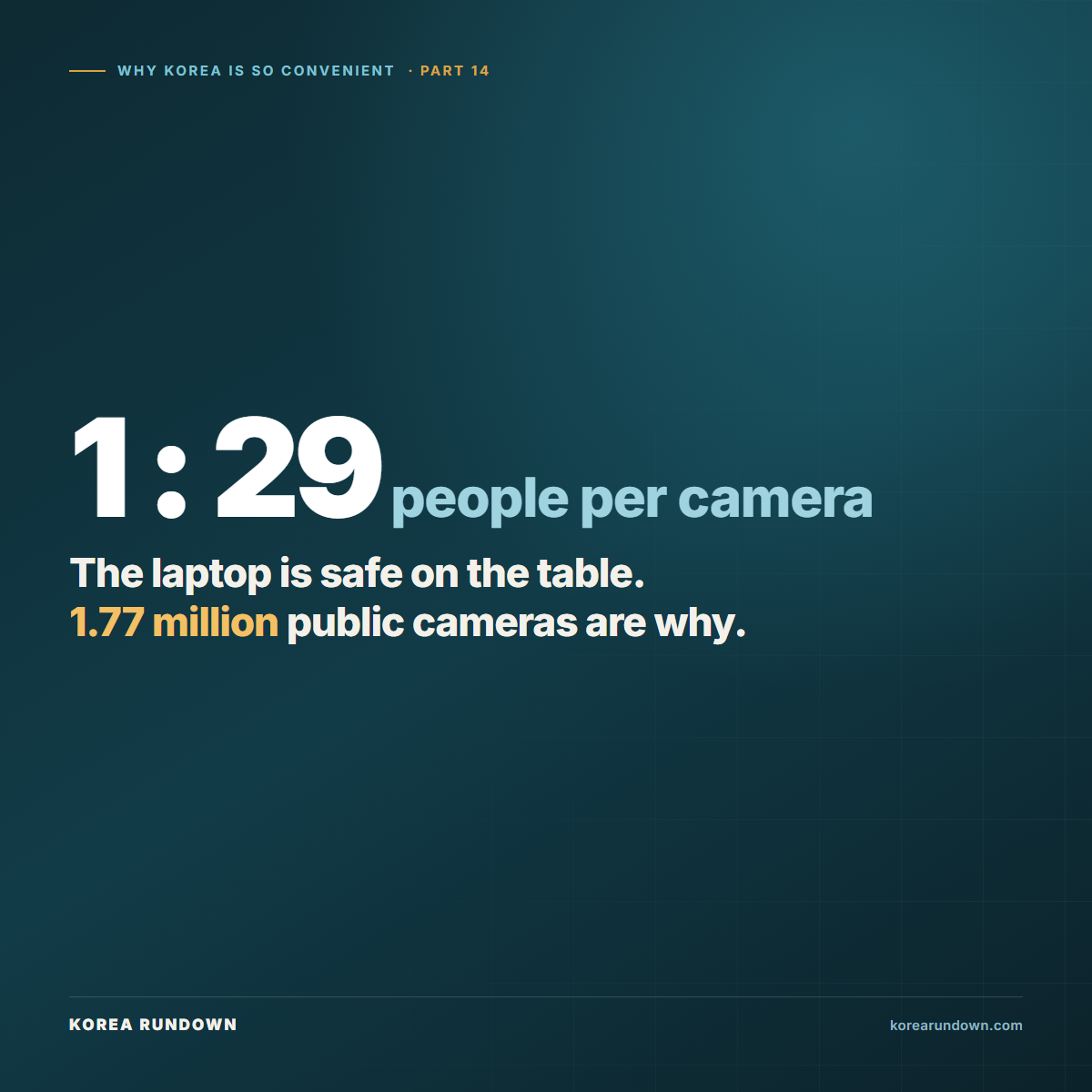
People Leave Laptops on Cafe Tables in Seoul. That Is Not Trust. It Is 1.77 Million Cameras.
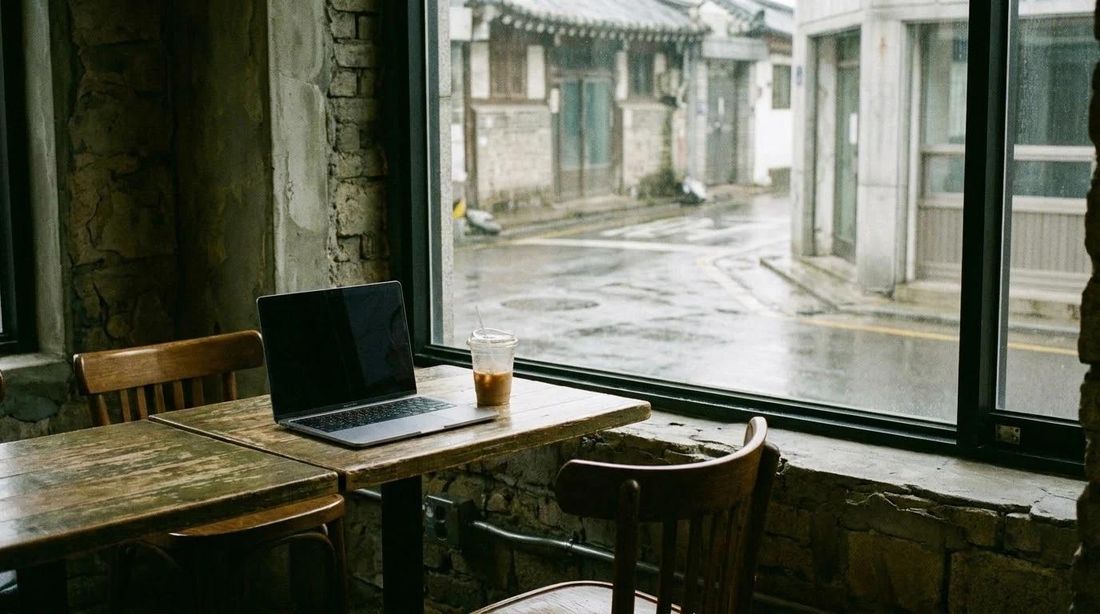
You need the restroom. The laptop is open, the bag is under the chair, and you run the calculation every American runs: pack everything and lose the table, or ask the stranger at the next table to watch it and hope you have read them correctly. Most people pack. It takes ninety seconds each way and you do it two or three times in an afternoon, and it never once occurs to you that there is another way to live.
The FBI counted a larceny rate of 1,360 offences per 100,000 people in the United States in 2023 — theft without violence, the category that covers exactly this. That was actually a good year, down 4.4%, close to the lowest level since 1990. It is still the ambient number your instincts were trained on.
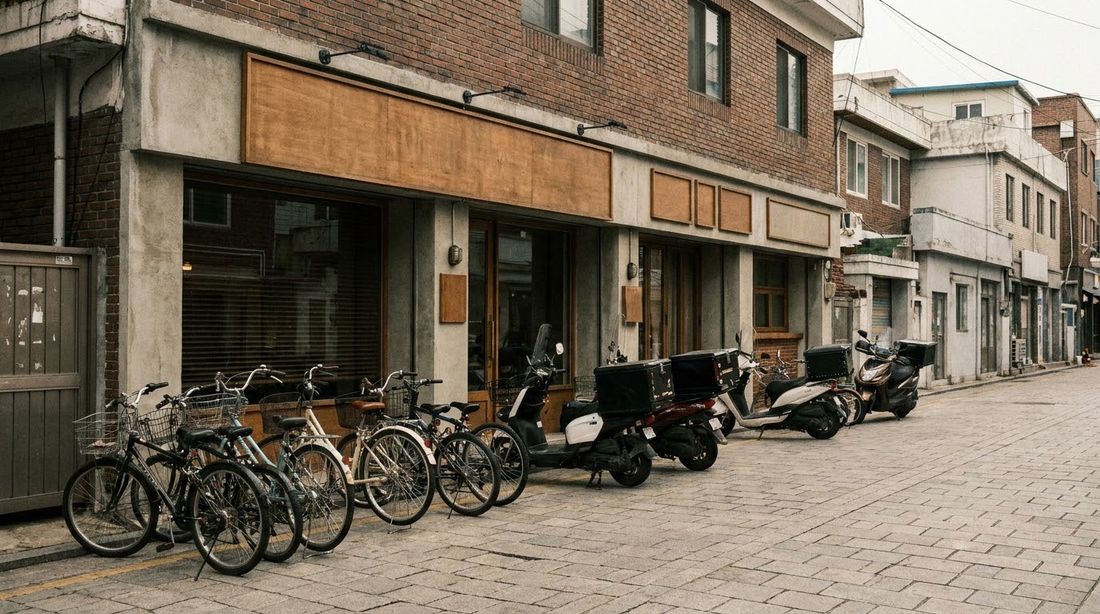
In a Seoul cafe the same trip works differently. People leave the laptop open. They leave a phone face down on the table specifically to mark the seat as taken, then queue for a drink. Tourists film this and post it as evidence that Korea is a high-trust society.
It is not, particularly. It is a high-detection society, and the difference matters.
The number that explains the trick
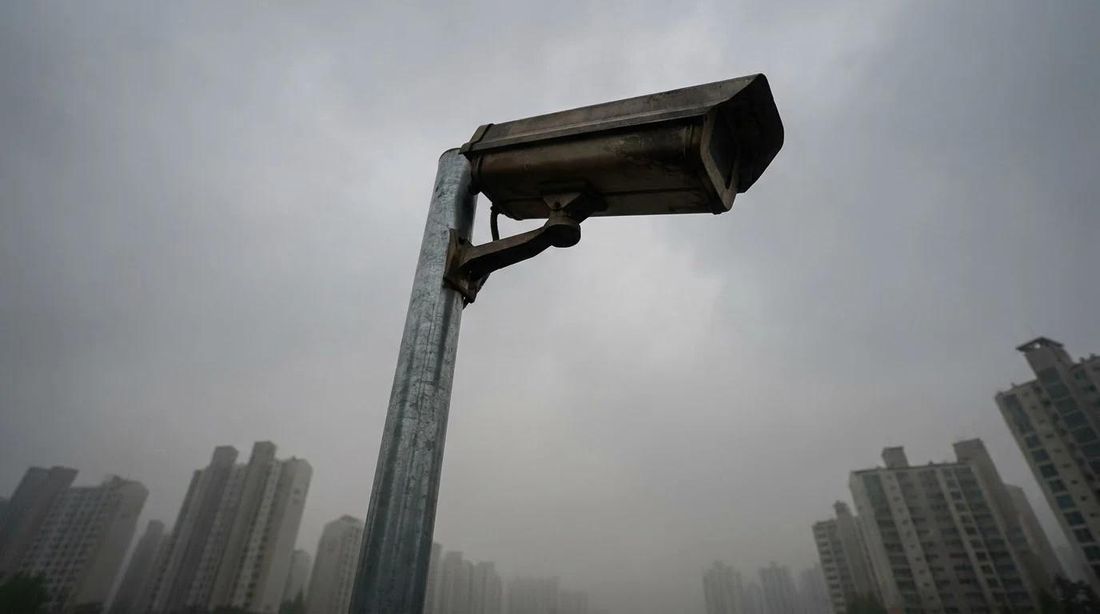
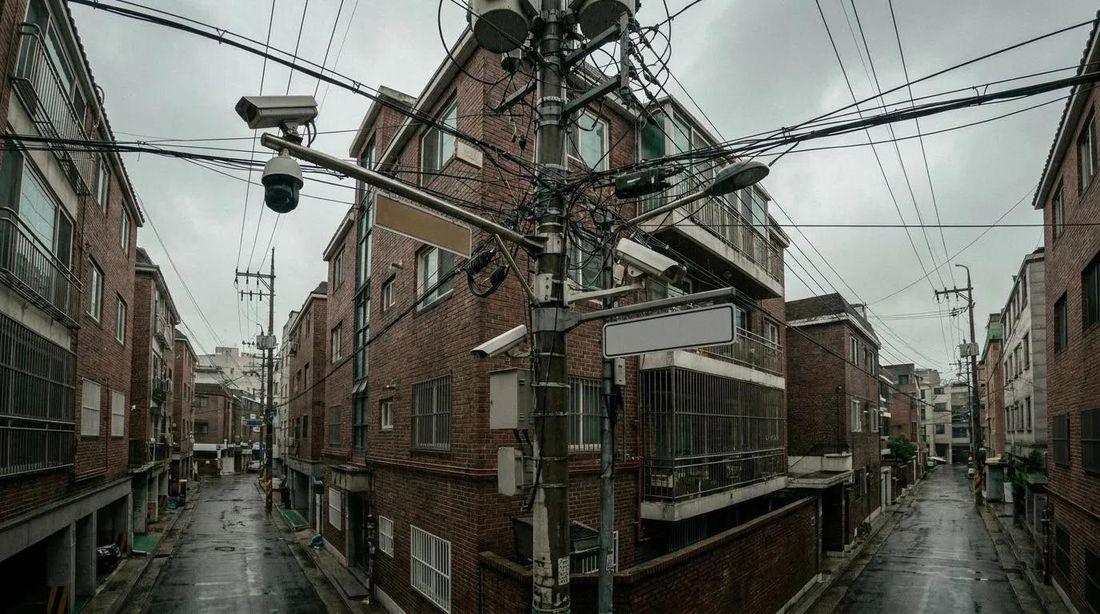
Korea’s privacy regulator publishes an annual count of cameras operated by public agencies. Local governments and public bodies ran 1,767,894 CCTV cameras in 2023, up from 1,607,388 in 2022 and 1,458,465 in 2021 — growth of roughly 9% a year, every year.
Set that against the 51.81 million people recorded in the 2024 census and you get about one government-operated camera for every 29 people in the country. That is before a single private camera: the ones inside the cafe, at the building entrance, in the lift, in the shop across the road, on the bus you would leave on.
Why cameras are cheap here and expensive there
A surveillance camera has a fixed cost and covers a fixed patch of ground. Its cost per person watched therefore falls exactly as fast as the number of people crossing that patch rises.
A camera on a Seoul street corner sees a slice of a city holding about sixteen thousand people per square kilometre, on a block where the ground floor is a cafe, a chicken shop, a pharmacy and a study room stacked under eight floors of offices and apartments. A camera at an American suburban intersection sees a slice of a place with a few hundred people per square kilometre, most of them inside cars, most of the time.
Multiply that across a country where half the population — 50.8% in 2024 — lives inside one metropolitan region, and blanket coverage stops being an extravagant project and becomes an ordinary municipal budget line. Every district office in Korea runs a control room. Most of them advertise it.
Now add the second layer, which we covered in Part 10: Korean retail runs on cards, cash has fallen to about 16% of transactions by count, and shops cannot legally refuse a card at any amount. A stolen laptop has to be sold somewhere, and the places where it could be sold leave records. Between the cameras on the exit route and the payment trail at the other end, the expected cost of taking the thing off the table is high and the expected reward is not.
That is what people are actually relying on when they leave a phone to hold a seat. Not the goodness of strangers. The unattractiveness of the crime.
The honest part
Start with the thing we cannot tell you. Korea does not publish theft statistics on a basis that lines up with the FBI’s categories, and the counting rules for what becomes a recorded offence differ enough that any Korea-versus-America theft rate you see quoted is comparing two different things. We used the American number above because it describes the American reader’s own environment. We are not putting a Korean number next to it, because we could not verify one that would mean the same thing.
Then the uncomfortable trade. One public camera per 29 people is not a neutral fact, and it is not free. It is a permanent, expanding, state-operated record of where people go, built at 9% a year, and the same infrastructure that makes your laptop safe on a table makes everyone’s afternoon reconstructable. Korea regulates this — the privacy commission exists, the counting exists, retention rules exist — but regulation is a check on a capability, not a removal of it. An American reader who envies the cafe table should understand they are envying the output of a surveillance system they would probably object to at home.
And it is a norm, not a guarantee. Things do get stolen in Korean cafes. Owners post signs telling customers not to leave valuables. The practice works because it usually works, which is a different claim from the one the tourist videos make.
What density actually buys you
Strip out the density and none of this survives. The camera network costs the same per unit but watches a hundredth as many people. The pedestrian street with four businesses watching it becomes a parking lot with none. The exit route stops being three minutes of continuous coverage to a subway gate and becomes a car that is gone in twenty seconds.
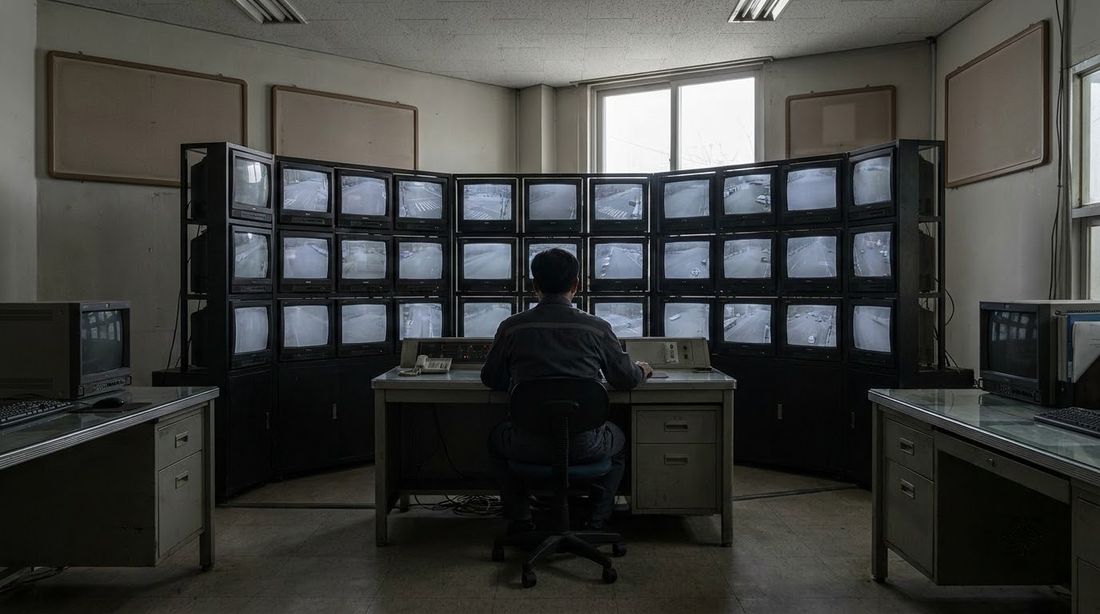
The laptop on the table is not a statement about Korean character. It is what a person concludes, correctly, after living in a place where taking it would be an unusually stupid idea.
This is part 14 of a series on why daily life in Korea feels so frictionless. Part 13 looked at the 1,208 documents Korea issues from a phone. Earlier parts are here.
Next in this series: the part of Korean daily life that is genuinely worse — you will buy your own garbage bags, and you will sort your dinner.


Comments
Post a Comment