Korea Issues 1,208 Government Documents From Your Phone. America Queued at the DMV for One.
In the spring of 2025 a lot of Americans spent a morning they will remember in a government waiting room. The REAL ID deadline landed on 7 May 2025, after nearly two decades of postponements, and states scrambled. California opened DMV offices early four days a week from mid-April through late June. New York invented REAL ID Thursdays with extended evening hours. North Carolina had more than ninety offices unlocking an hour ahead of schedule. Illinois built a dedicated supercenter. Even so, by April roughly one in five travellers was still turning up at airport security without a compliant ID.
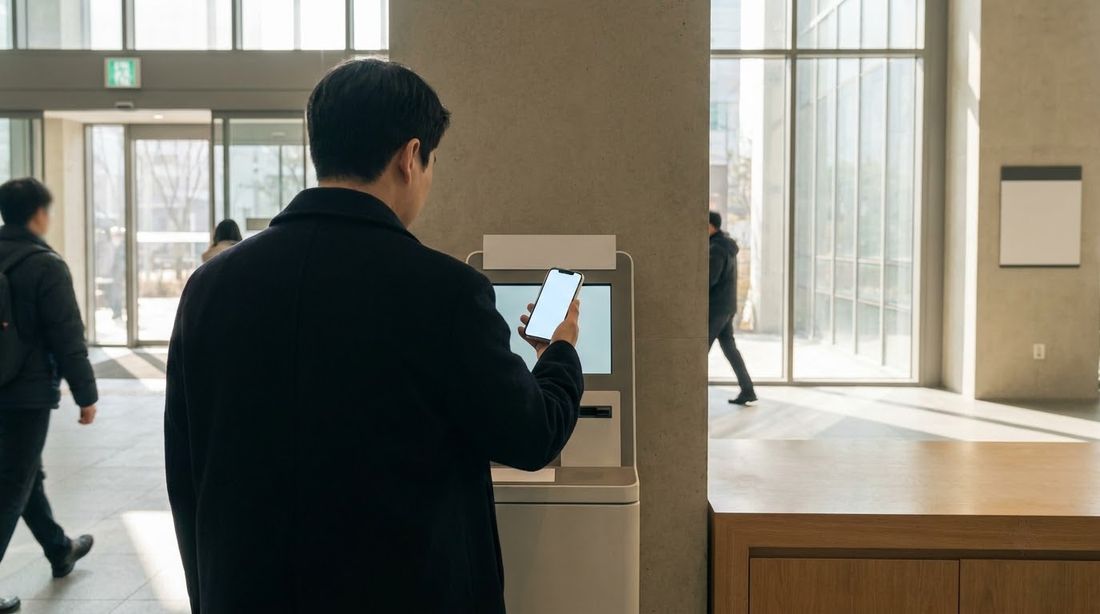
All of that was to obtain one document. In person. Once.
The Korean equivalent of that document does not require you to go anywhere, and neither do about twelve hundred others.
What is actually on the phone
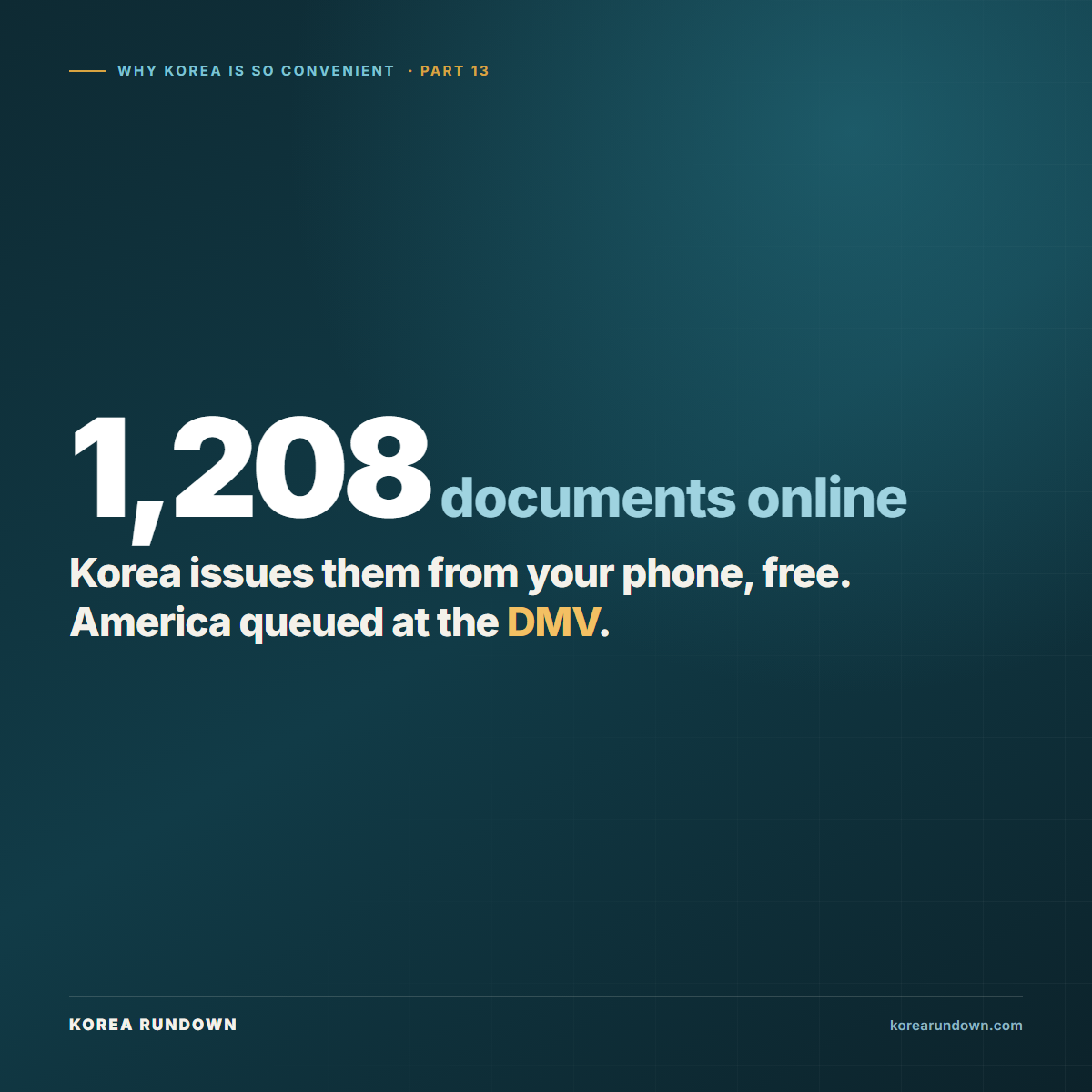
Korea runs a single national portal, Gov24, that fronts the whole administrative state. It lists on the order of 12,000 government services, allows roughly 1,300 of them to be applied for or issued directly, and prints 1,208 kinds of certificate — residence records, family registers, tax certificates, business registrations, school records — straight to your screen or your printer.
The pricing tells you what the system is for. A copy of your residence registration costs ₩400 over the counter at a community office. Take it from a self-service kiosk and the statutory fee is halved to ₩200. Issue it yourself through the portal and it is free. The state has priced the queue it does not want you to join.
Identity is going the same way. Korea passed four million issued mobile IDs by December 2024, most of them mobile driving licenses. The mobile resident registration card — the closest thing Korea has to a national ID — began as a pilot in nine cities and counties on 27 December 2024 and moved to nationwide issuance through local offices in the following quarter.
The OECD, which scores 33 member countries and five non-members across six dimensions in its Digital Government Index, put Korea first in the 2023 edition, for the second time, ahead of Denmark, the United Kingdom, Norway and Australia.

Why the American version is harder, and it is not competence
The obvious explanation is that Korea is better at software. That is not it, or at least not most of it. The difference is what each country is trying to computerise.
The United States has no national civil registry. Identity is administered by fifty states, each with its own vehicle agency, its own document rules, and its own database, and the federal government can only set standards those states must meet — which is precisely what REAL ID is, and precisely why it took nineteen years. Building one portal on top of that is not an engineering problem. It is a constitutional one.
Korea has the opposite arrangement: one national population register, one identifier per person, and local offices acting as branches of a single system rather than as fifty sovereign systems. Any citizen record can be verified against any other record because they were all designed to key off the same number. Once that is true, putting the whole thing behind a login is comparatively easy.
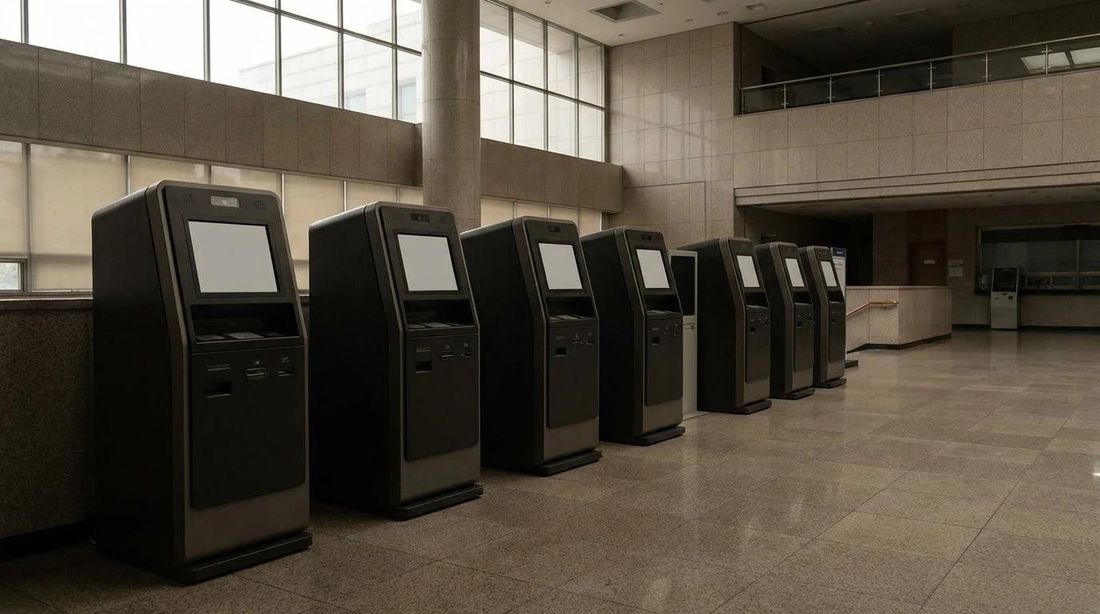
Density does the rest. Korea has never had to solve the problem of a citizen who lives ninety minutes from the nearest office, because almost nobody does. Half the country lives in the capital region and more than half of all households live in apartment complexes, so a community service center with a kiosk in the lobby is within walking distance of an enormous share of the population. Digital service did not have to replace a physical network that was failing. It was layered on top of one that already worked.
The honest part
The single identifier is the whole reason this works, and it is also the largest liability in the system. Every Korean has one resident registration number, it is issued once, it is tied to banking, health insurance, employment, phone contracts and property, and it cannot be changed the way a compromised password can. A design that lets any agency verify you against any other agency is by construction a design in which one leak is not contained. Korea has argued about this in public for years, and there is no version of the convenience described above that does not carry that risk.
We are deliberately not attaching a breach figure to that paragraph. Counts circulate widely and vary by what is being counted, and we could not verify one to a standard we would want to publish.
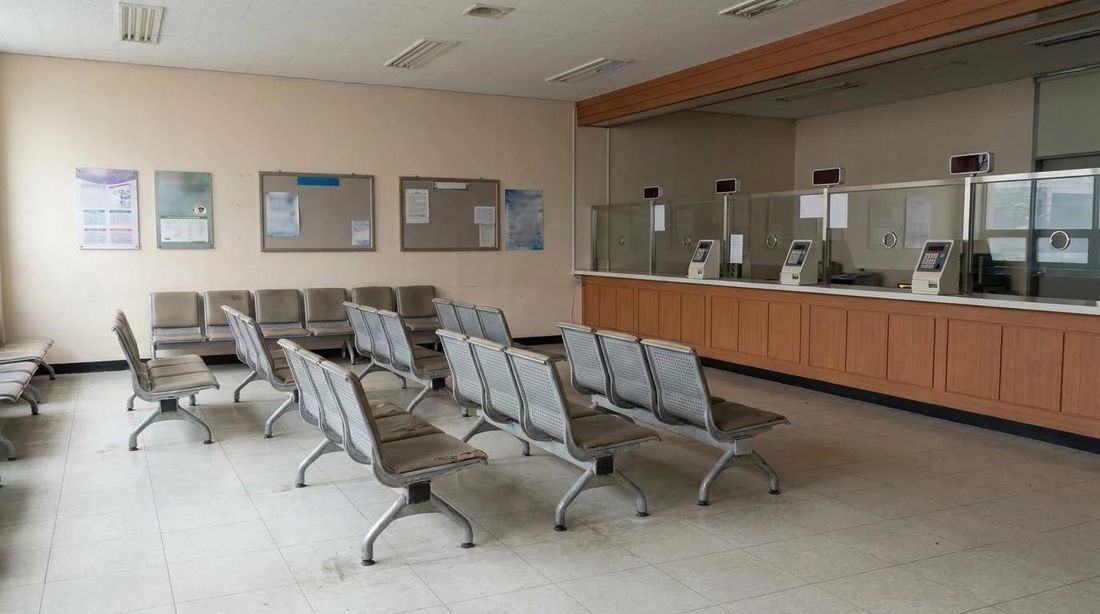
Two smaller caveats. The OECD index is a structured self-assessment by governments, not an independent audit of how services feel to use, so treat first place as a measure of institutional design rather than of citizen satisfaction. And digital-first has a cost borne by the people least able to use it: Korea has a large elderly population, kiosk-only counters have drawn complaints, and the community office window still exists precisely because for some citizens it is the only usable door.
What density actually buys you
The American at the DMV in May 2025 was not failed by bad programmers. They were queuing because identity in the United States is a federated problem, physically dispersed across an enormous country, with no single register underneath it. Korea centralized the register decades ago and then compressed the population into a fraction of the land, which made both the physical office and the digital replacement cheap to run.

Convenience, again, turns out to be geography and administrative structure wearing the costume of technology.
This is part 13 of a series on why daily life in Korea feels so frictionless. Part 12 counted the country’s public restrooms. Earlier parts are here.
Next in this series: the laptop left alone on a cafe table — and the 1.77 million cameras nobody mentions when they tell that story.


Comments
Post a Comment