Groceries Arrive Before 6 A.M. in Korea. Half the Country's Districts Cannot Get Them.
You booked the grocery delivery window three days out, because the good slots go fast. It lands sometime between 2 and 4 p.m., which means someone has to be home, and when it arrives the bananas have been in a warm van for an hour and two of the six substitutions are things you would not have bought. The fee and the tip together come to about the price of the produce.
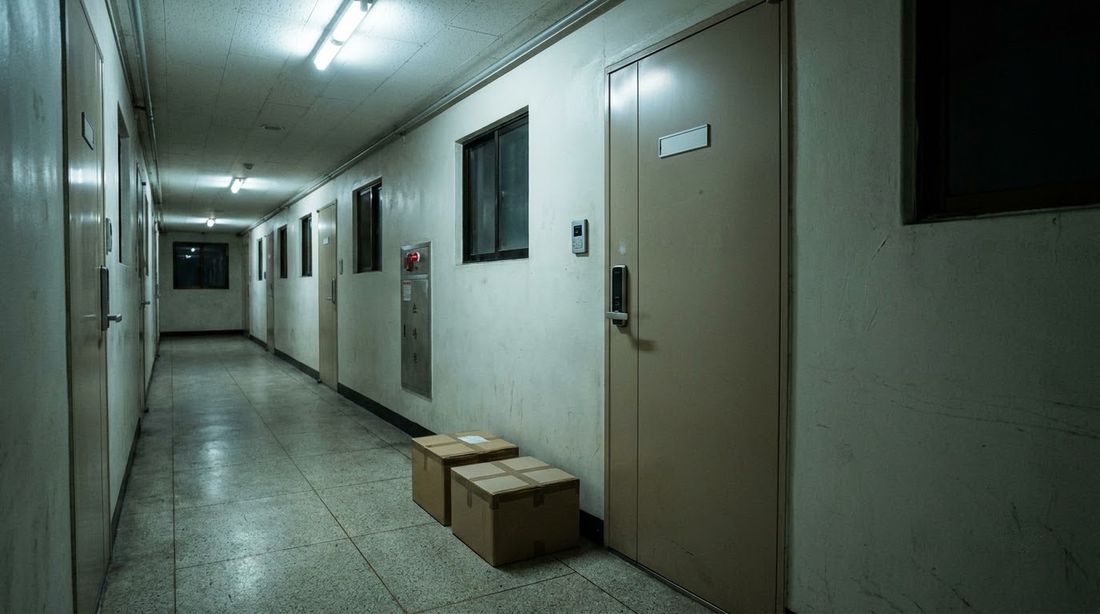
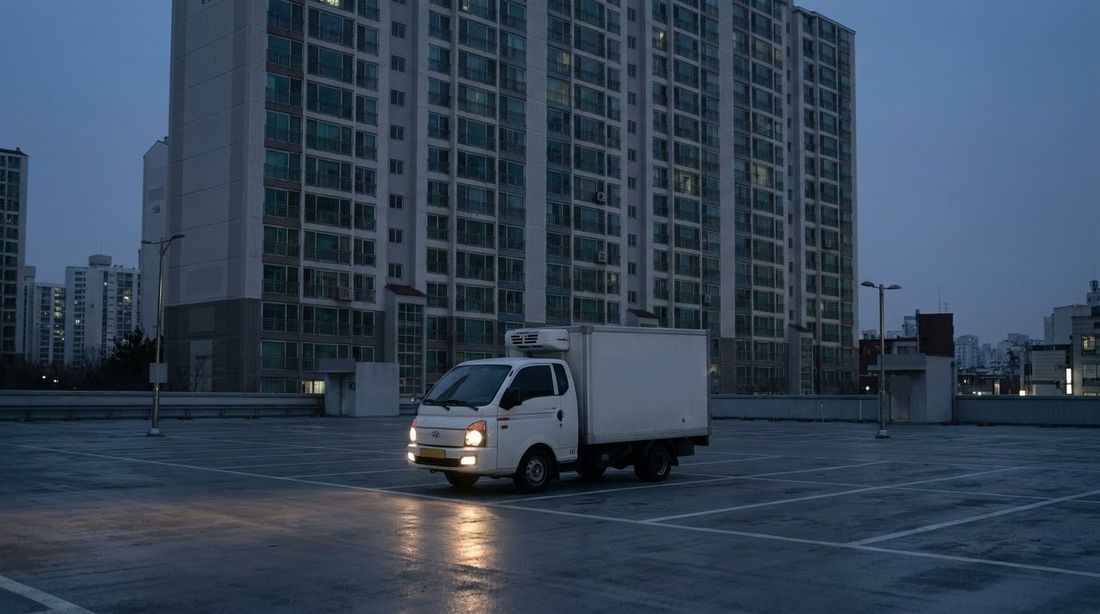
In Seoul the equivalent order is placed at eleven at night and is on the floor outside the door before six the next morning. Nobody is home for it. Nobody needs to be.
This is the part of Korean convenience that most impresses visitors, and it is also the part with the sharpest limit — because roughly half the country cannot get it at all.
How big it actually is
Dawn delivery in Korea is not a boutique service. The market was 11.8 trillion won in 2024, up from 400 billion won in 2015 — a 29.5-fold increase in a decade. Three companies, Coupang’s Rocket Fresh, Kurly and SSG.com, hold roughly 80% of it between them.
People who have it use it constantly: current users average 4.4 orders a month, and cite speed (77.6%), not having to shop (57.6%) and time saved (57.6%) as their reasons.
The number that matters more
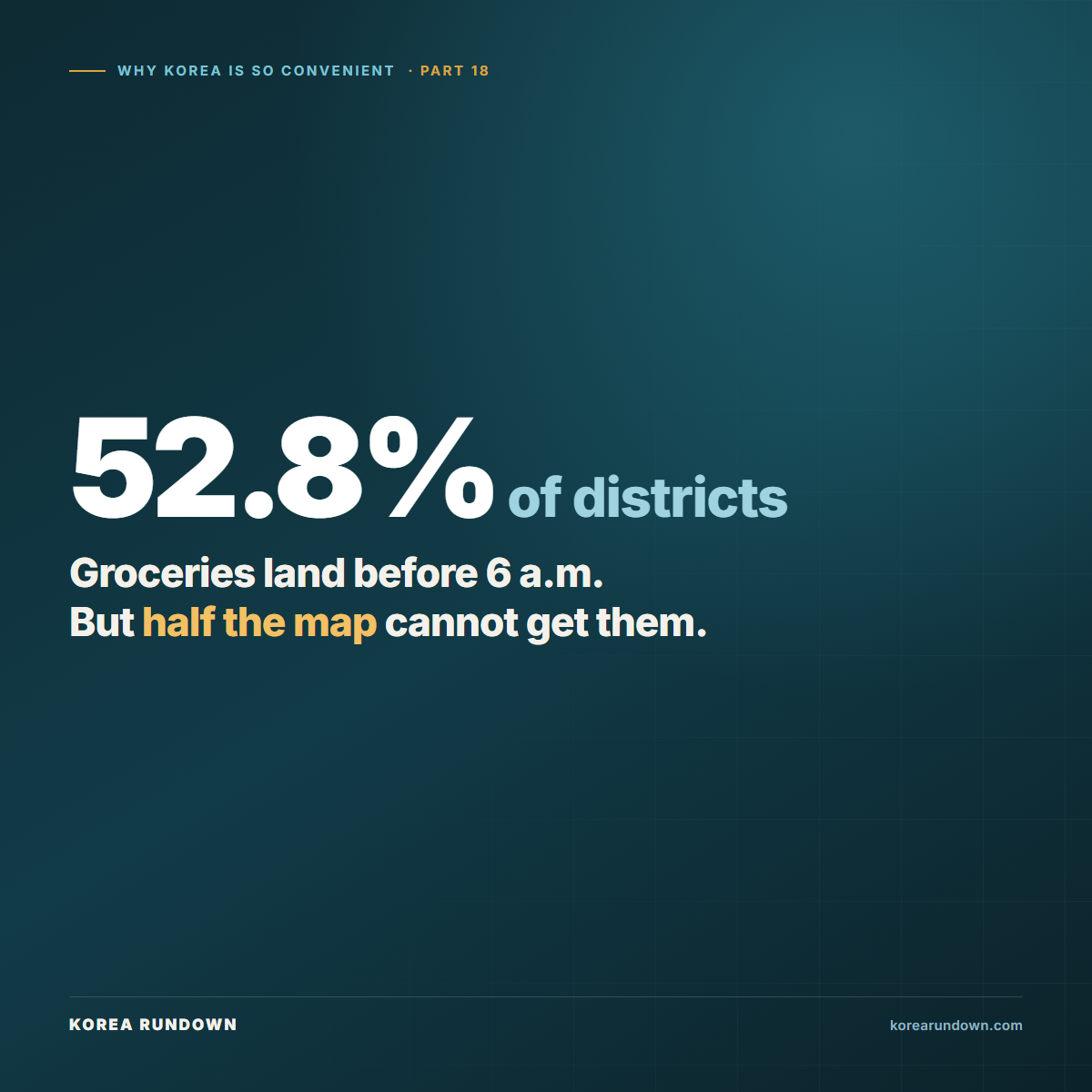
Now the limit. Of Korea’s 250 city, county and district units, dawn delivery is available in 132 — 52.8%. The other half of the country's districts are outside the service map entirely.
And the demand is there. In areas without the service, 84% of consumers said they would use it if offered. Among people who already have it, 99% want to keep it. This is not a case of rural households not wanting groceries at dawn. It is a case of the economics not reaching them.
Why the cutoff falls where it does
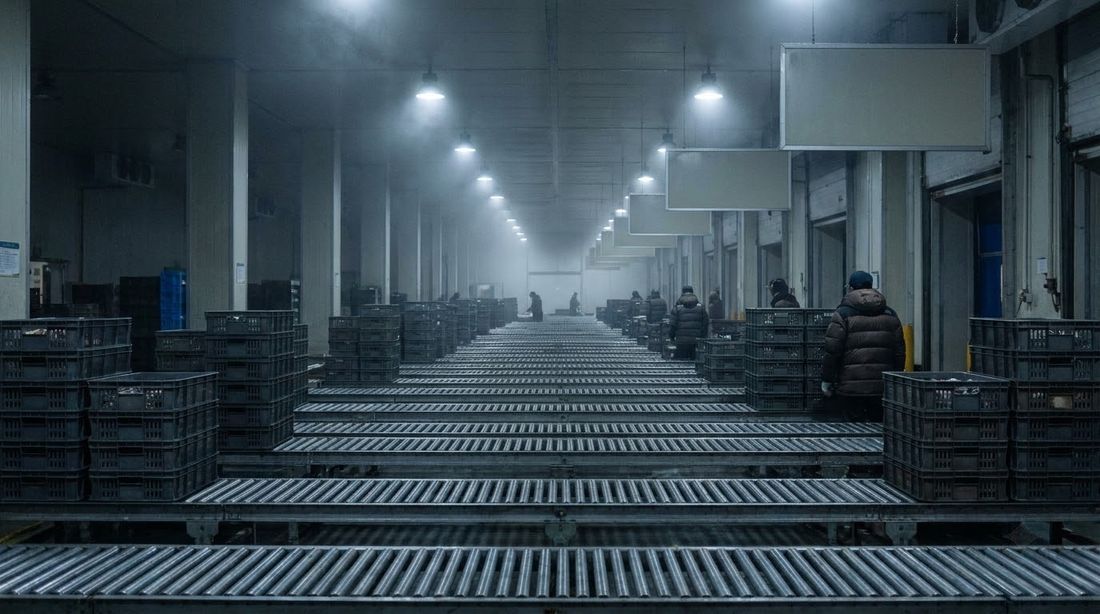
A dawn delivery run is one van leaving a fulfilment centre after midnight and finishing before the morning commute. Everything depends on how many doors that van can reach in those hours.
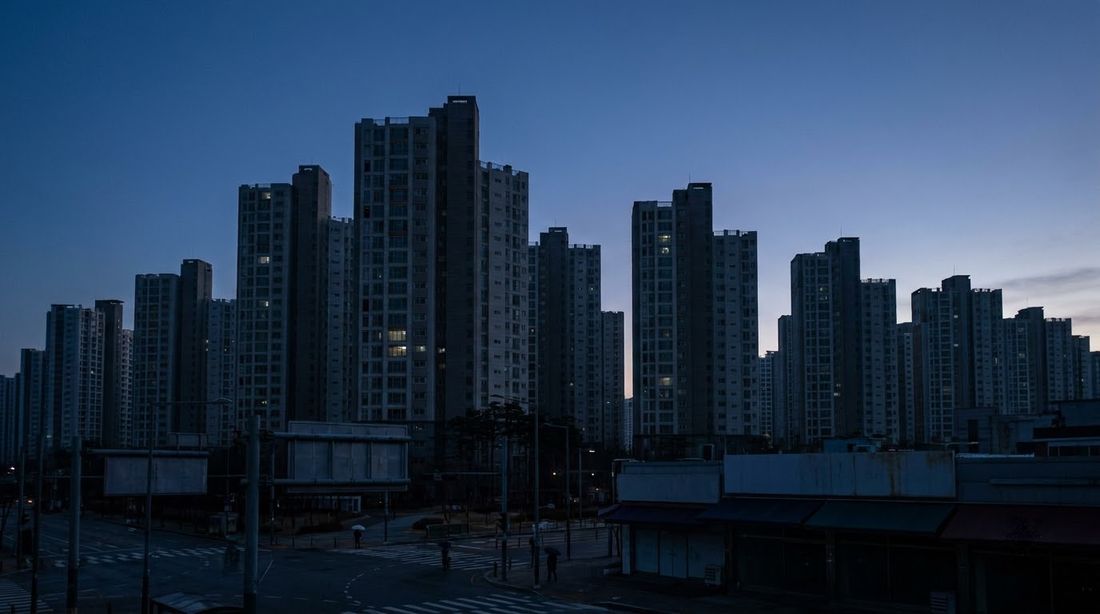
In a dense district the van parks once and serves several hundred households in one building cluster, using the same interior corridors and locked lobbies that made the parcel drop work in Part 11. The cost per order is small because the denominator is large.
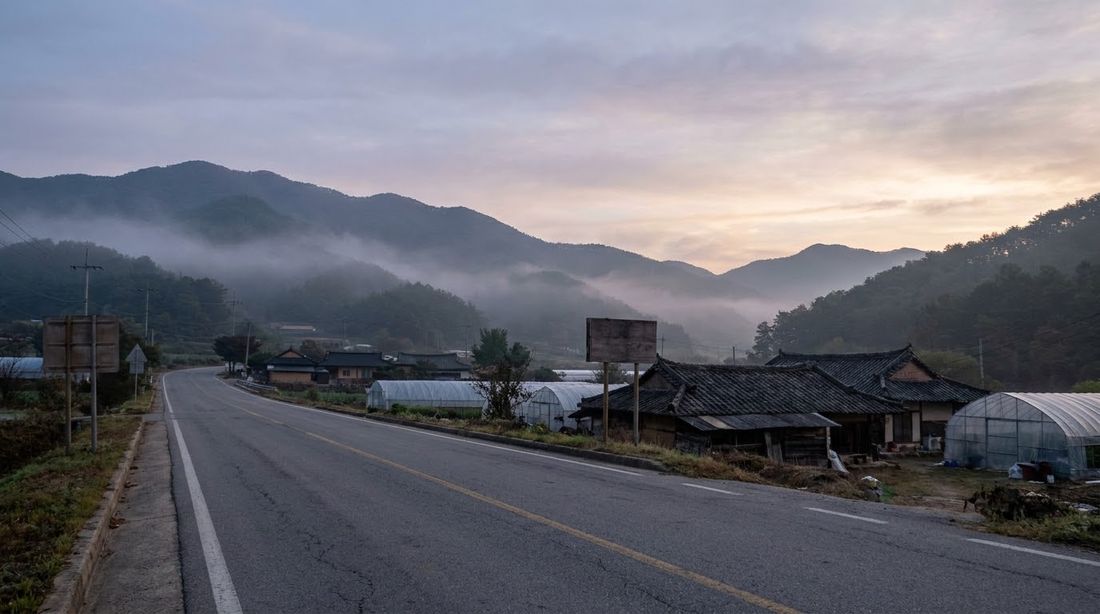
Spread the same route over a county of detached houses on rural roads and the van reaches a few dozen doors in the same window, on more fuel and more driver hours. There is no price at which that clears. So the map stops.
This is why the coverage line tracks population density rather than income or distance from Seoul. It is not that companies decided some regions did not deserve the service. It is that below a certain number of doors per kilometre, the run does not pay for itself.
The honest part
The uncomfortable version of this series’ thesis is on display here more clearly than anywhere else. Density does not distribute convenience evenly. It concentrates it. The same mechanism that puts groceries outside a Seoul apartment door at 5 a.m. is what leaves a county in Gangwon with no service at all, and the gap widens as the service improves in the places that already have it.
Two more caveats. We could not verify a clean figure for what share of dawn delivery volume is in the capital region specifically — the concentration is reported qualitatively and we are not going to attach a percentage we cannot source. And the 11.8 trillion won market figure and the 52.8% coverage figure come from different reports; treat them as two separate measurements rather than parts of one dataset.
There is also a labour question this series keeps running into. Dawn delivery is overnight work, and Korea has argued in public about the health effects of permanent night shifts in logistics. The convenience is real and someone is awake for it.
What density actually buys you
The 5 a.m. grocery drop is the purest expression of the whole series. It requires an enormous number of households within one van’s reach, a building form that lets a stranger leave food at a door safely, and a metropolitan region holding half the national population. Remove any one and the service disappears — which is exactly what the other 118 districts are demonstrating.
Convenience of this kind is not a national achievement evenly enjoyed. It is a function of how many people live within a few hundred metres of you.
This is part 18 of a series on why daily life in Korea feels so frictionless. Part 17 asked why Korean children walk to school alone. Earlier parts are here.
Next in this series: what it costs to move house in a country where the whole thing is done in one day.


Comments
Post a Comment