Korea's Unmanned Stores Have No Cashier and No Guard. Reported Thefts Tripled in Two Years.
In March 2024, Dollar General said it was pulling self-checkout machines out of the 300 stores where it was losing the most merchandise. That was the opening move. Over the rest of the year the program reached roughly 12,000 stores — about 9,000 converted back to staffed lanes, about 4,500 capped at five items. Then on January 27, 2026, Amazon announced it was shutting every Amazon Go and Amazon Fresh location, with the last doors closed by February 1. Amazon Go had peaked at around 30 stores in early 2023. Two years earlier the company had already stripped its Just Walk Out cameras out of most of the Amazon Fresh stores that had them.
The American store that runs itself is being taken apart.
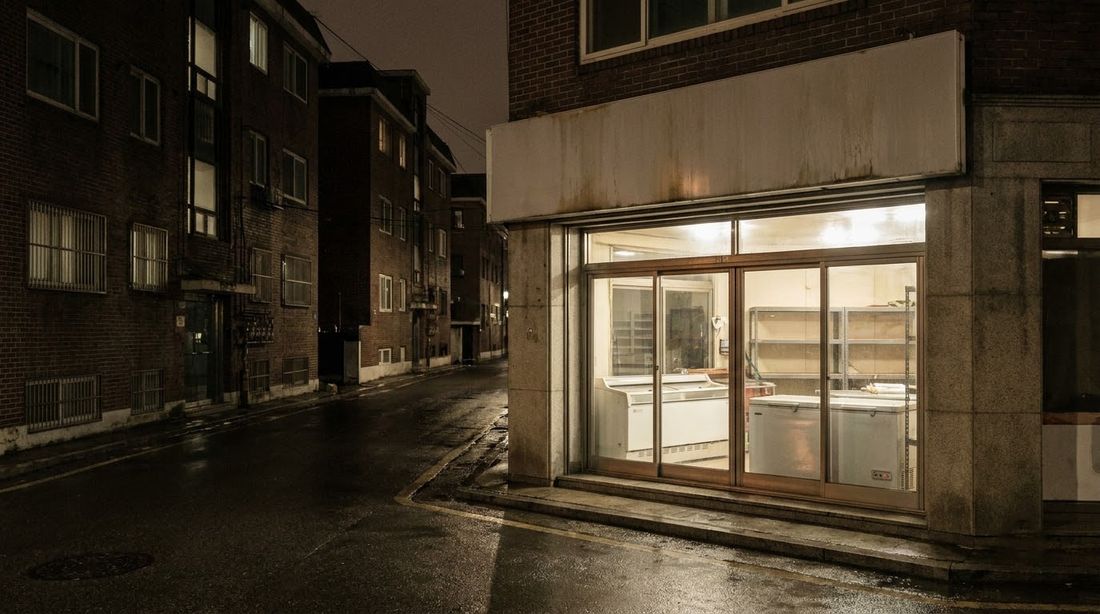
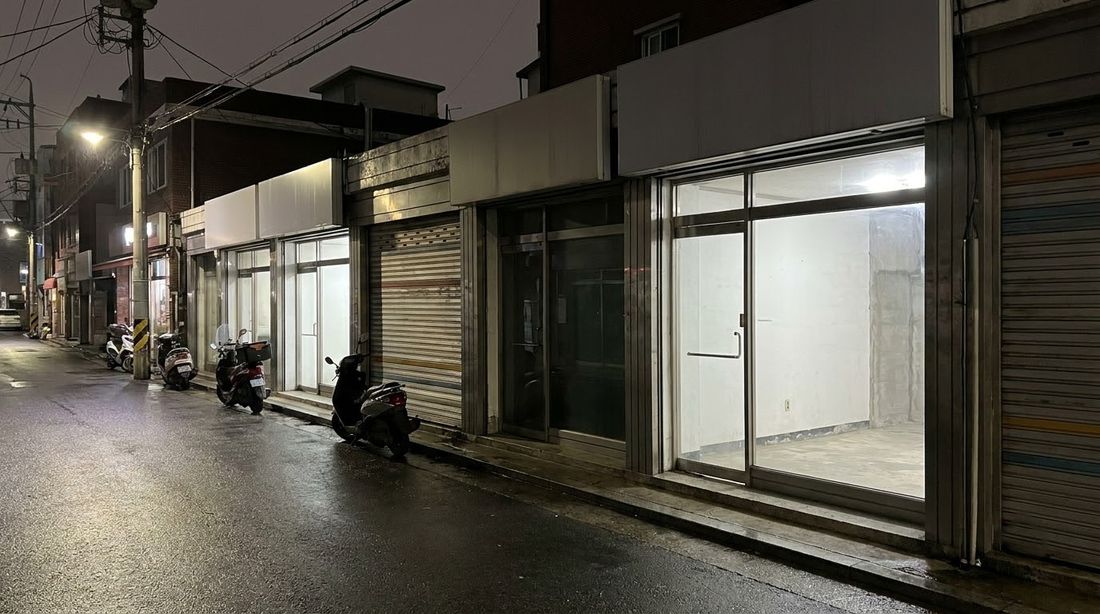
In Korea it is a normal storefront on a normal street
Walk through a Korean residential neighborhood at eleven at night and you will pass a discount ice cream shop with no one behind the counter, a frozen meal-kit shop with a card reader by the door, and a study cafe you enter with a code from your phone. You scan, you tap, you leave. Nobody is working there. Nobody has been working there all day.
There is no official count of these, and that is worth saying plainly: the Korean government does not treat "unmanned store" as an industry classification, so nobody publishes a number. Industry estimates run from about 12,000 — franchise and portal-registered locations only — to several times that once individually owned shops are counted. No single figure belongs in a headline. One category does have a clean count, because franchises must file: study cafe franchise locations went from 112 in 2015 to 6,944 by October 2024, a 62-fold increase in under a decade.
The math that makes an empty shop rational
Korea's minimum wage is 10,320 won an hour in 2026. The Labor Standards Act adds a 50% night premium — but only at workplaces with five or more employees, which a small shop is not. So the overnight shift is not expensive because of the premium. It is expensive because it exists at all: one person, paid, standing in a shop that might take a handful of customers between midnight and six.
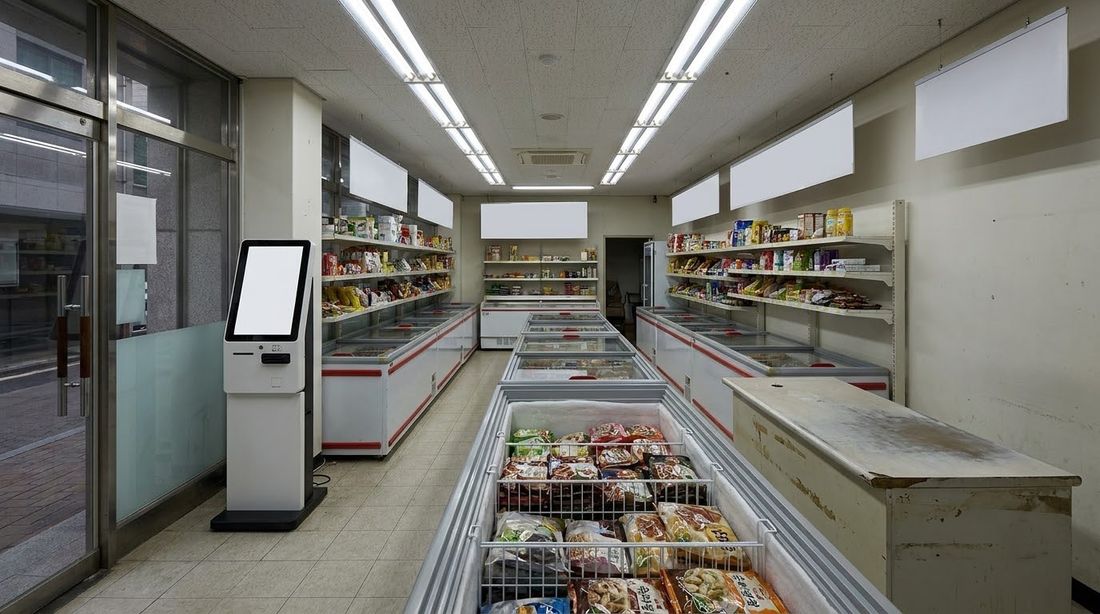
Remove that person and the cost structure is rent plus electricity plus stock. A freezer full of ice cream does not need supervision to sell ice cream. It needs a card reader and a reason to believe the stock will still be there in the morning.
It is not that Koreans do not steal
This is where the story usually goes wrong. The unmanned shop gets read as evidence of some national honesty — a country so low-crime that a freezer can be left alone with the door unlocked.
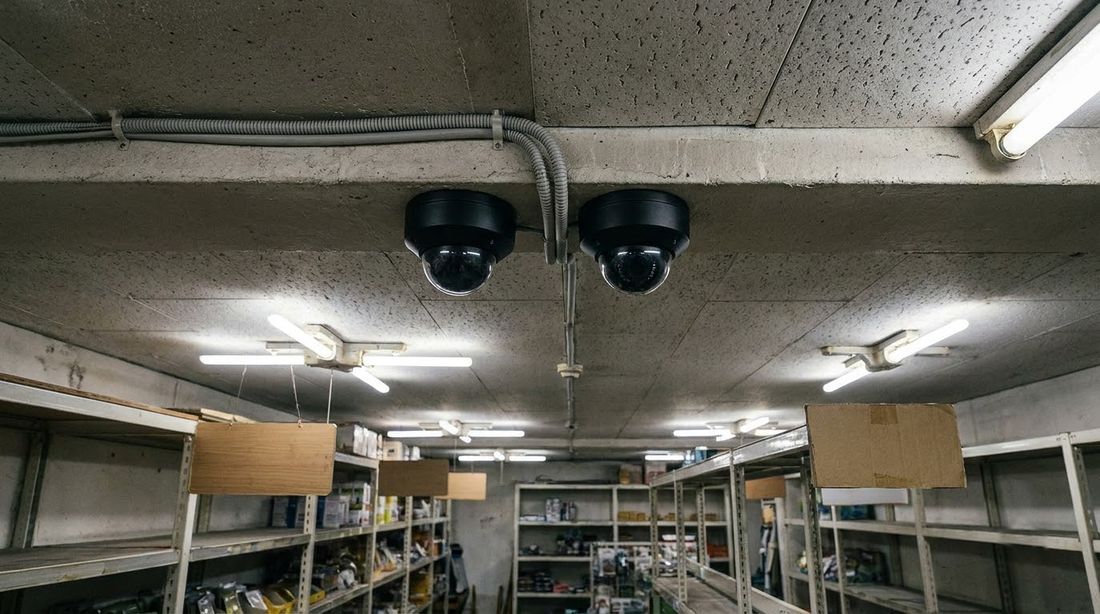
The low-crime part is real in the aggregate. Korea's intentional homicide rate was 0.48 per 100,000 in 2023 against 5.76 in the United States, on World Bank figures, and the country operated 1,767,894 public-institution surveillance cameras as of 2023 — roughly one for every 29 people. A shop with no employee is not a shop with no witness.
But the freezers do get robbed, constantly.
The honest part
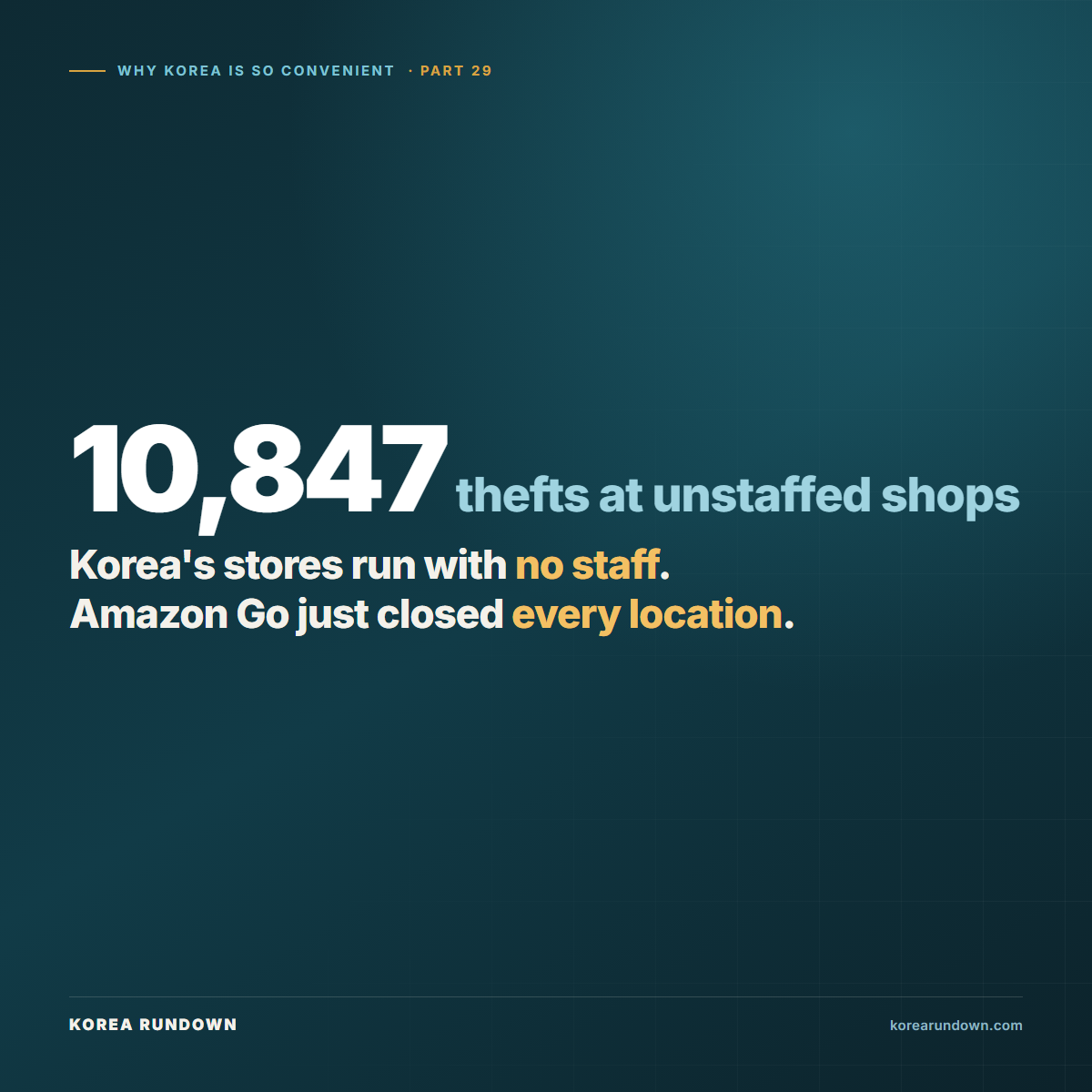
Police counts of theft at unstaffed stores went from 3,514 in 2021 to 6,018 in 2022 to 10,847 in 2023 — roughly tripled in two years. More than half of the offenders were teenagers. Most of the individual amounts are trivial, a few thousand won, which is precisely the problem: an officer still has to be dispatched, pull footage, identify a minor and process a case over the price of a popsicle.
So the labor cost did not vanish. It moved. The shop stopped paying a night clerk and the public started paying for patrol time, footage review and juvenile case processing. That is a genuine transfer from a private business to a public budget.
The second honest note is that a lot of these shops fail. Low entry cost cuts both ways — it is easy to open one on the ground floor of an apartment tower, and easy for three more to open within walking distance before any of them clears rent.
Where the density comes back in
Strip out the cameras and the crime rate and one number is left holding the whole thing up: how many people walk past the door.
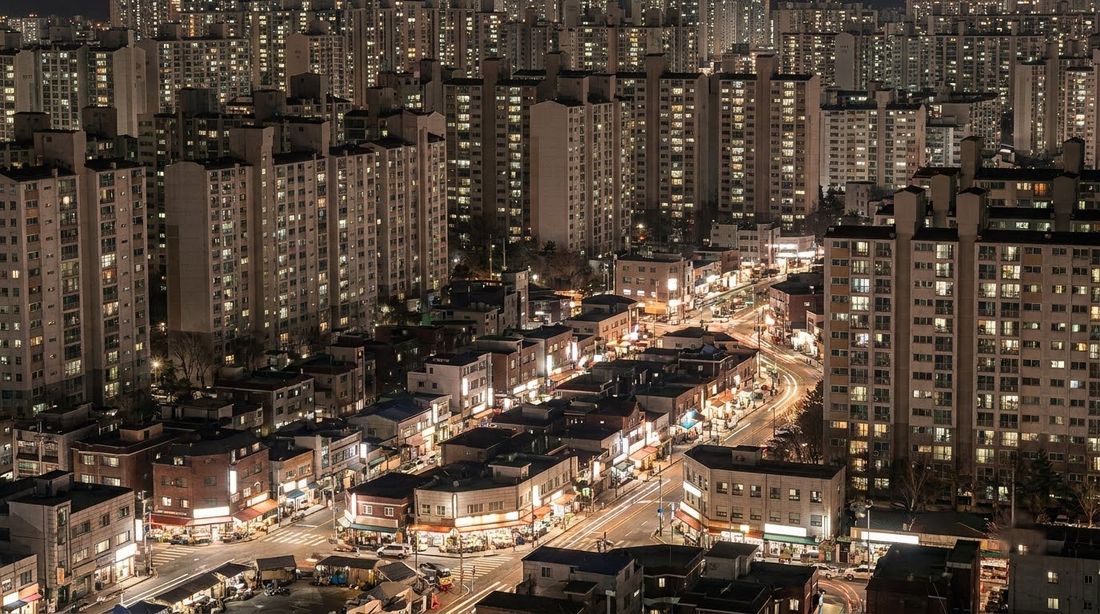
An unstaffed shop survives on volume at very thin margins, which means it needs a large number of people within a very short walk — not a drive, a walk. In a country where just over half the population lives in the capital region and the majority of households are stacked in apartment complexes, the ground floor of a residential tower has thousands of potential customers inside a five-minute radius, at every hour, without a parking lot. Put the identical shop on an American arterial road and the freezer is not being watched by fewer cameras. It is being walked past by almost nobody.
Korea did not invent a store that needs no staff. It built a country where enough people live close enough together that a store can stop paying for one. As with everything else in this series, the outcome looks like a cultural trait and is mostly a floor plan.
This is part 29 of a series on why daily life in Korea feels so frictionless. Part 28 looked at why a Korean phone line costs about $11 a month. Earlier parts are here.
Next in this series: Seoul runs an entire second layer of shopping below the street, and it exists because of something that had nothing to do with shopping.


Comments
Post a Comment