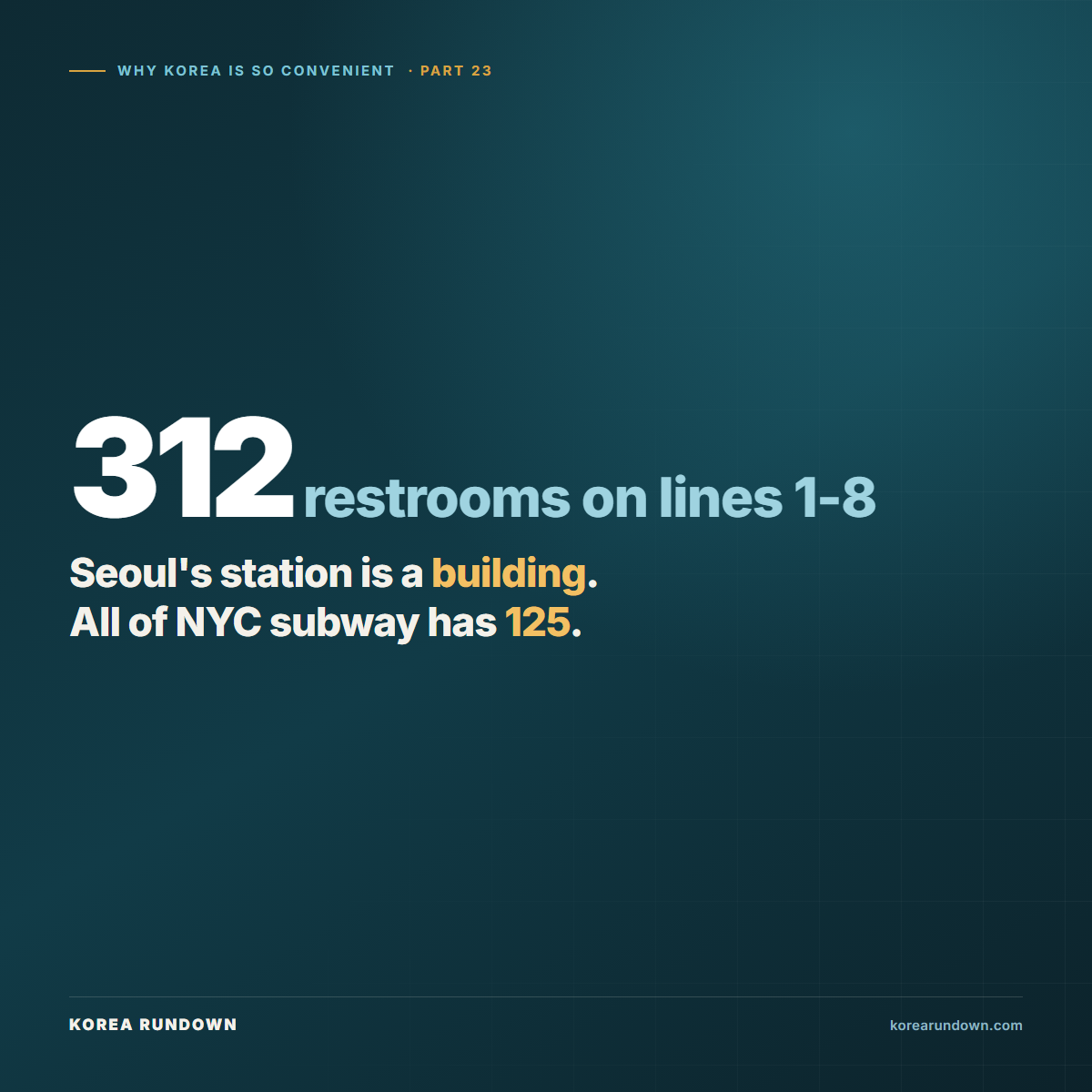
Seoul Lists 312 Public Restrooms on Eight Subway Lines. All of New York's Subway Has 125.
You are three stops from home and you need a bathroom. You already know how this goes. There is no restroom on the platform, and if there is one somewhere in the station, it is probably locked, or behind a door marked for employees, or it closed at seven. So you ride it out, get off, and start scanning storefronts for a place that will let you in without buying something. New York City Transit runs 125 public bathrooms across 65 stations — out of 472. The ones that are open run 7 a.m. to 7 p.m., minus an hour at midday for cleaning.
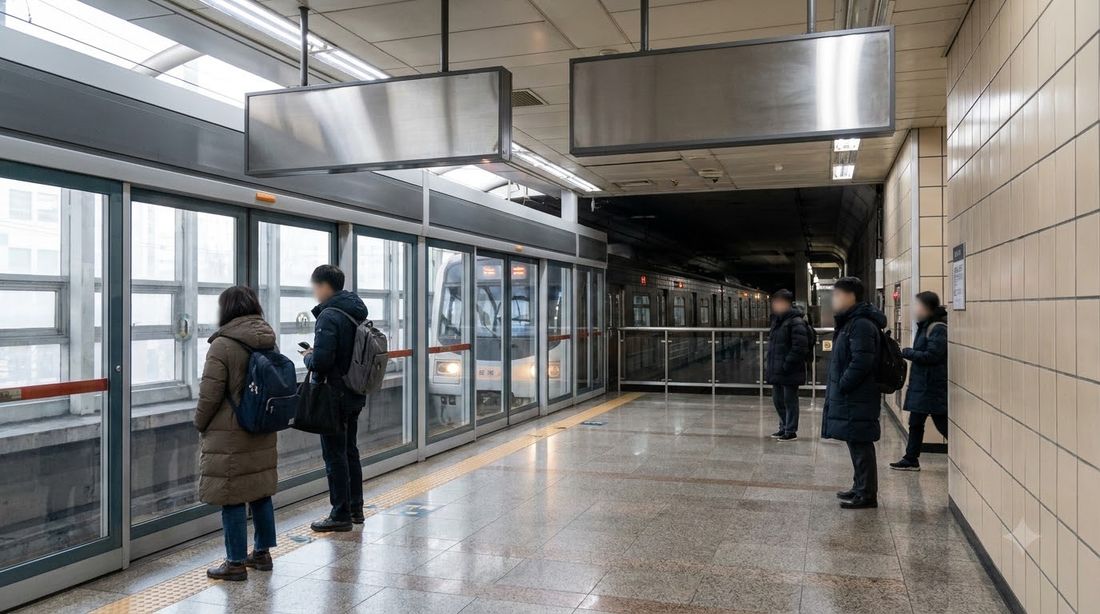
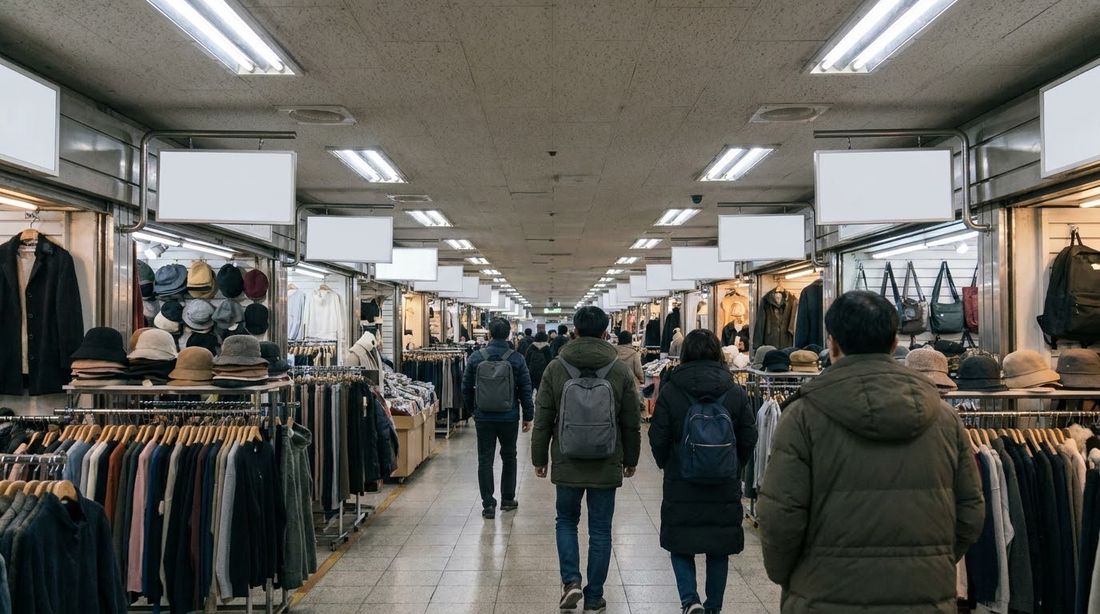
In Seoul the same moment barely registers as a problem. You get off, follow a sign, and use the restroom. If it happens to sit outside the fare gates, you tap out, go, and tap back in — the network waives the second fare if you re-enter at the same station on the same line within a short window. On the way back to the platform you pass a bakery, a phone-case stall, a flower shop, and a corridor of clothing stores that runs two blocks underground. None of that makes it a special station. That is just what a station is.
The station is a building, not a stop
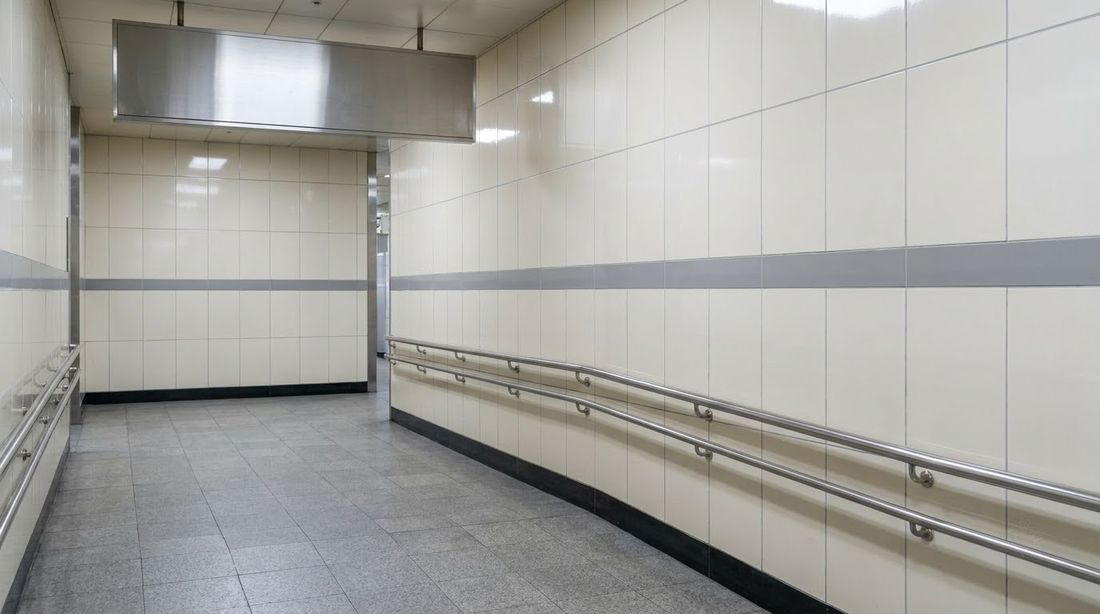
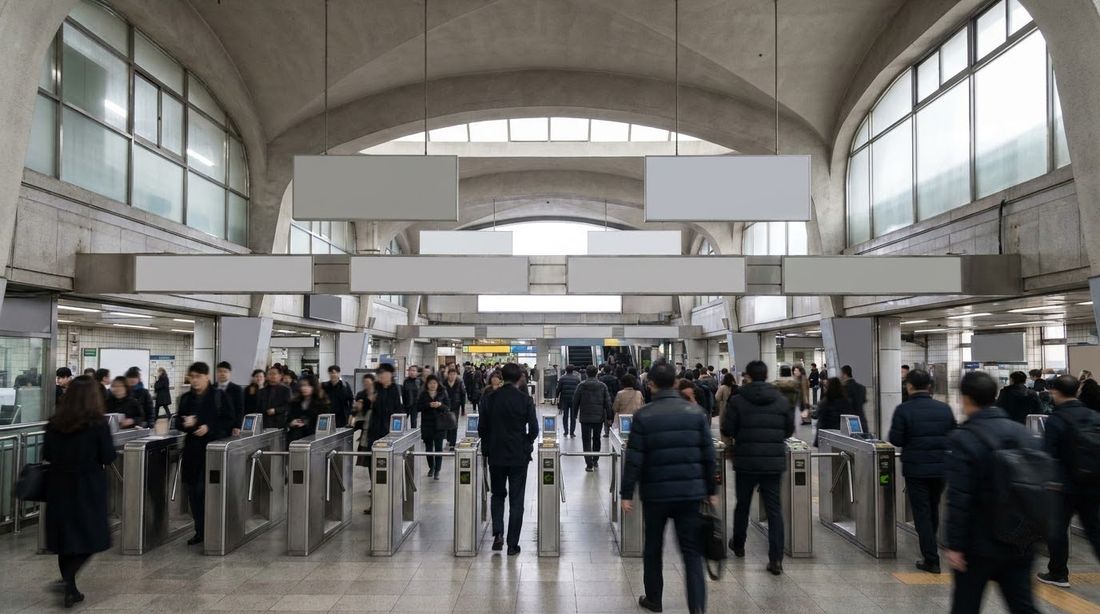
This is the part that does not translate. In most American systems, a subway station is a hole with stairs: a way to reach the train and nothing else, deliberately kept minimal because every additional square foot is cost with no revenue attached. In Seoul, the station is a piece of occupied real estate that happens to have trains at the bottom of it. Seoul's network runs 338 stations across roughly 360 kilometers, carrying about 7.3 million riders a day as of early 2025. Seoul Transportation Corporation's own public dataset lists 312 public restrooms on lines 1 through 8 alone, updated in February 2026 — more restroom facilities on eight lines than the entire New York City subway has in total.
Retail is the other half. The city's facilities agency runs 25 municipal underground arcades containing 2,788 storefronts, threaded through and between stations. These are not station kiosks. They are streets — corridors of shops with their own addresses, connecting one station's concourse to the next one over, so that in parts of Seoul you can walk fifteen minutes between buildings without ever surfacing.
Why they could afford to build it that way
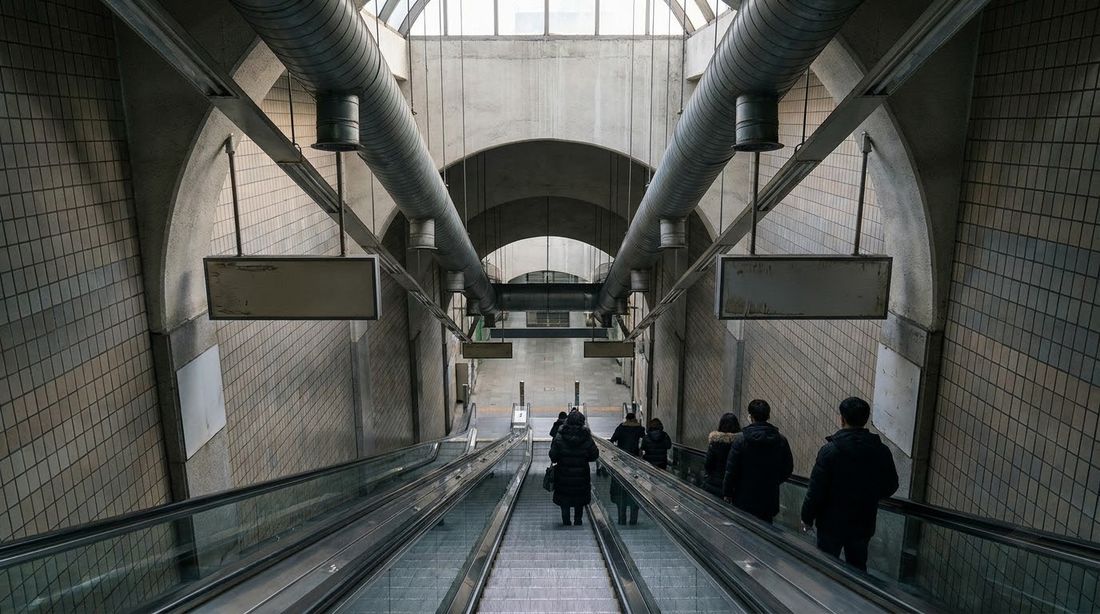
The tempting explanation is civic virtue — that Koreans take better care of shared space, so the shared space survives. There is something to that on the maintenance side, but it is not what put the restrooms and the shops there in the first place. The real reason is that Seoul's stations had to be dug deep and dug big, and once you are excavating a cavern under a city, the marginal cost of making it wider is small compared to the cost of digging at all.
Then density does the rest. A station with tens of thousands of people walking past the same corridor every day generates enough foot traffic to make underground retail rent viable, which is why the city could lease out 2,788 storefronts instead of leaving the corridors empty. The rent from those shops helps pay for the corridors. The corridors justify the restrooms and the climate control. And because the surrounding land is dense and mixed-use, the station entrance is genuinely on the way to where people already live and work — so the underground concourse becomes a shortcut rather than a detour. A station in a place built around parking lots cannot start that loop, because there is no volume of people walking past anything.
The honest part
This is expensive, and Korea is not pretending otherwise. Seoul Transportation Corporation posted a net loss of about 826.8 billion won in 2025, on an accumulated deficit approaching 19.7 trillion won. Per passenger, the operator reports a cost of roughly 1,817 won against average fare revenue of about 1,036 won — a loss of 781 won on every single rider. More than half of that gap, by the operator's own accounting, comes from free rides for elderly passengers, a group growing quickly as the country ages. The bathrooms, the corridors, the shops and the fares that stayed cheap are being carried in part by a debt the city has not resolved. Riders are not getting this for free. They are getting it on credit.
What density actually buys you
None of this is a story about a transit agency being more generous. It is a story about what a station can become when enough people walk through it. Volume is what makes a restroom worth cleaning, a corridor worth leasing, and a shortcut worth building. Take the same agency, the same budget and the same intentions, and drop them into a metro area where the average station sees a few thousand boardings a day, and every one of those decisions flips — because the foot traffic that pays for them is not there.
This is part 23 of a series on why daily life in Korea feels so frictionless. Part 22 looked at how Korean convenience stores quietly took over a bank branch's job. Earlier parts are here.
Next in this series: how millions of Korean renters pay zero rent every month, and what they hand the landlord instead.


Comments
Post a Comment