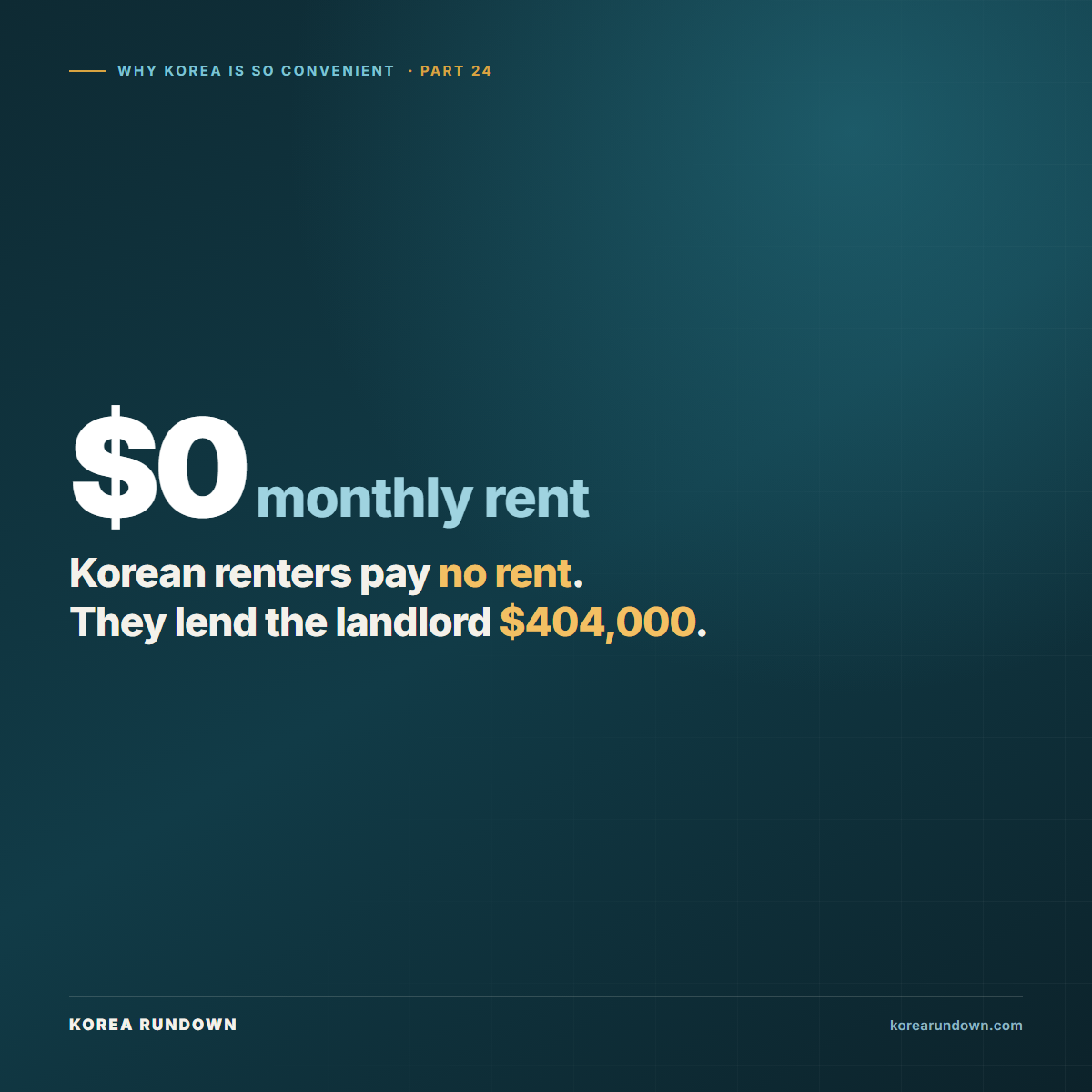
Millions of Korean Renters Pay $0 a Month. They Lend the Landlord $404,000 Instead.
The rent leaves your account on the first, the way it has every month for years, and none of it is ever coming back. That is the deal everyone signed up for and nobody examines. The U.S. Census Bureau put the median asking rent at $1,579 a month in the first quarter of 2026 — private listing trackers report somewhat lower medians, in the $1,390 to $1,545 range, depending on what they count. Whichever number you use, half of American renters are now spending more than 30% of their income on housing: 22.6 million households, an all-time high, with 12.1 million of them spending more than half.
Now here is a lease that works on a different principle entirely. In Korea it is called jeonse. You hand the landlord one enormous lump sum at move-in. You then pay no monthly rent at all — not reduced rent, none — for the length of the contract, typically two years. At the end, the landlord gives the entire sum back. Not a portion, not minus wear and tear. All of it.
You are not renting. You are lending.
The mental model that makes this click for an American is not a security deposit scaled up. It is an interest-free loan running in the opposite direction from the one you would expect. The tenant lends the landlord a large amount of capital; the landlord's compensation is whatever that capital earns over two years, whether parked in a bank, servicing a mortgage, or funding the purchase of another unit. The tenant's compensation is housing with no monthly outflow. Nobody pays "rent" in the sense Americans mean it. The rent is the foregone interest on the tenant's own money.
The sums are not small. In Seoul, jeonse contracts renewed this year without invoking the statutory renewal right averaged roughly 559 million won — about $404,000 at early-September 2026 exchange rates of around 1,385 won to the dollar — up about 9.1% from an average of 512 million won two years earlier. On Seoul's low-rise apartment stock, deposits have commonly run around 65% of what the unit would sell for. Most tenants do not have that in cash; a large share borrow much of it through dedicated jeonse loans, paying bank interest instead of rent to a landlord.
It is not trust, and it is not culture
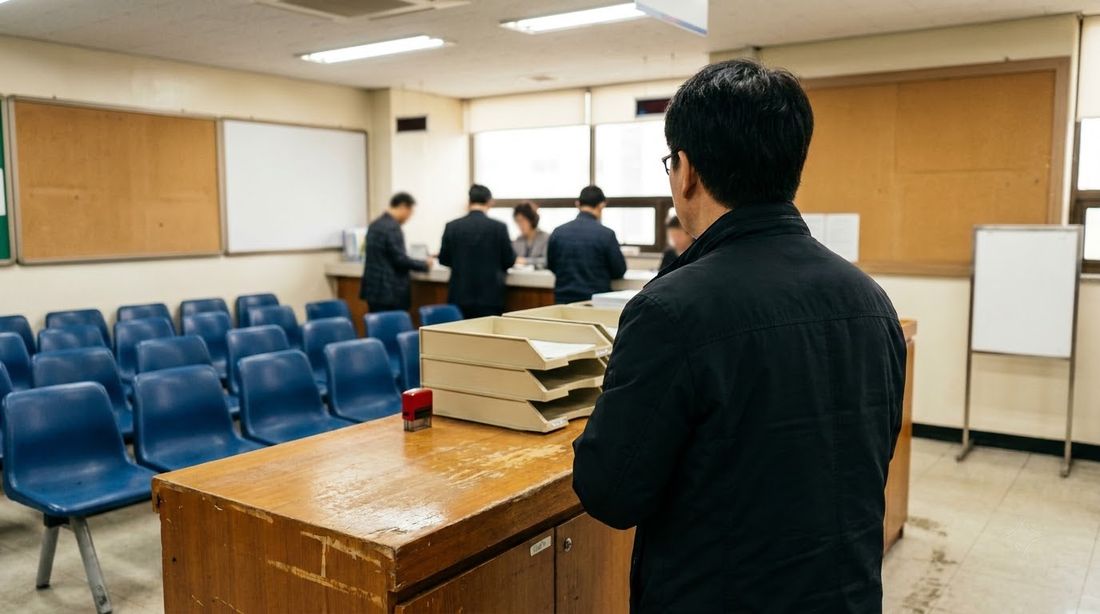
The obvious question is why anyone hands a stranger $400,000 and expects to see it again. The usual answer — that Korea is a high-trust society — is the wrong one, and Korean tenants themselves do not rely on it. They rely on paperwork. A tenant who registers their new address with the local office and gets the lease date-stamped acquires a legally recognized claim on the property, ranked ahead of creditors who registered later. That claim, not goodwill, is what makes the deposit recoverable if the landlord defaults or the building is auctioned off. Many tenants layer a state-backed deposit-return guarantee on top of it.
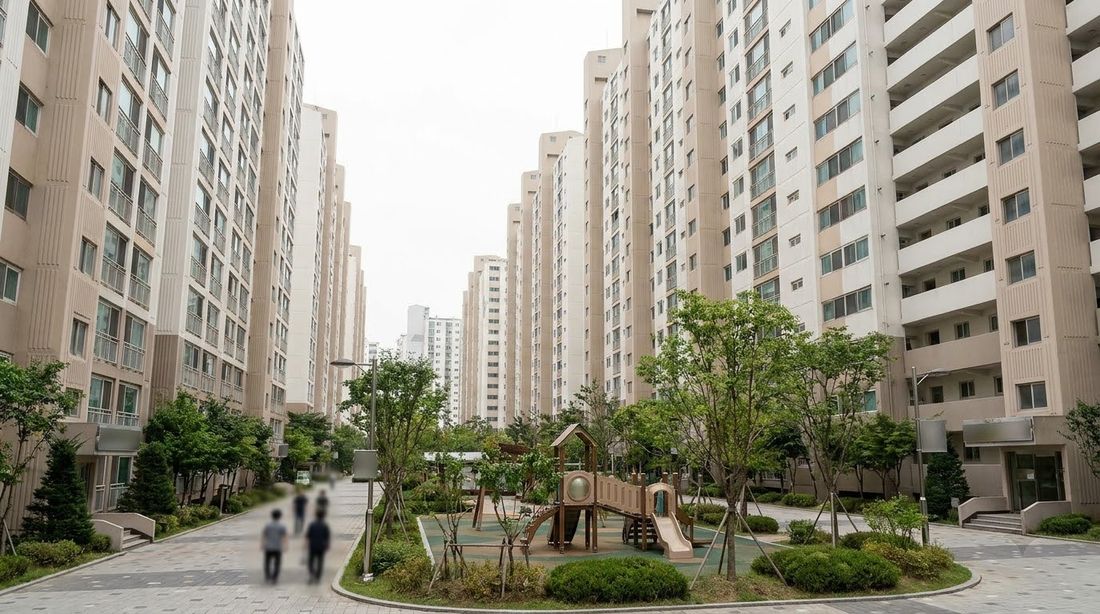
The second reason is that the collateral is unusually legible, and this is where the series' running theme comes back. More than half of Korean households live in standardized apartment complexes — hundreds of near-identical units, in buildings of known age and known floor plan, transacting constantly. That makes a unit's value something anyone can look up rather than something an appraiser has to argue about. A lender, an insurer, and a tenant can all agree within a narrow band on what the apartment is worth, which is precisely what a system built on lending against that apartment requires. Try to run jeonse against a stock of one-off detached houses on irregular lots, each last sold a decade ago, and the number at the center of the contract stops being knowable.
The honest part — this system is shrinking fast
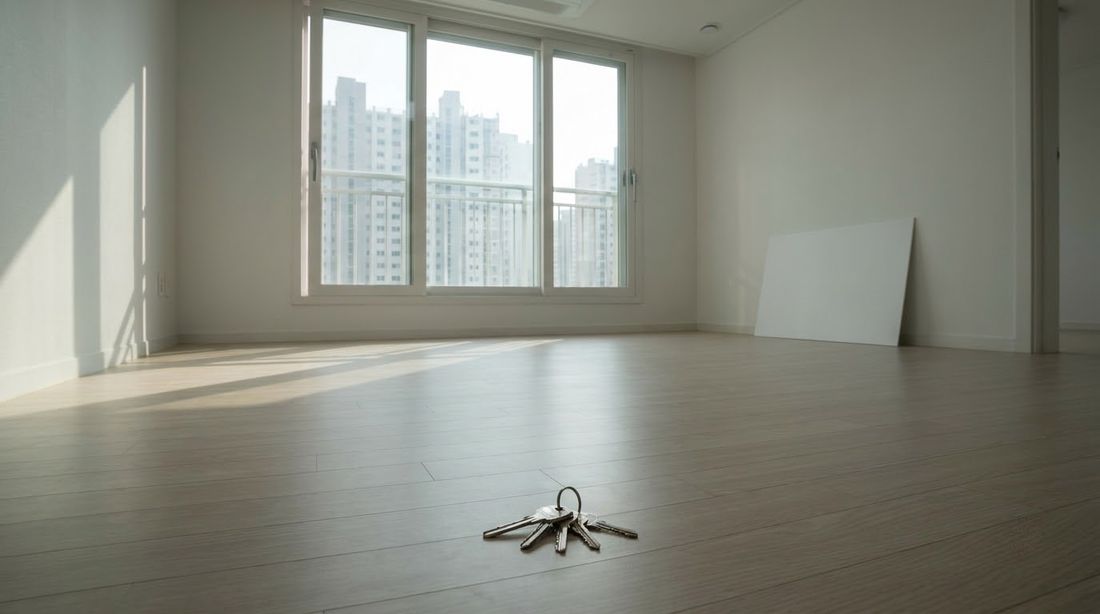
Everything above describes an institution in retreat. Jeonse's share of Korean rental contracts fell to about 37% in 2025, a record low, while monthly-rent contracts hit a record 62.7%. That is a steep slide in four years: monthly rent accounted for 43.3% of contracts in 2021, then 51.8%, 54.8%, and 57.4% in the years that followed.
The reason is ugly. When prices stalled, landlords who had chained deposits together to buy more units could not return them, and a wave of deposit fraud followed. Defaults on the state deposit-return guarantee went from 579 billion won in 2021 to 4.49 trillion won in 2024, the peak. They have since fallen sharply — to about 1.24 trillion won across 6,677 cases in 2025 — as guarantee rules tightened and the riskiest contracts disappeared. But the tightening is itself part of why fewer people can get a jeonse now. Younger renters increasingly cannot access the system at all and pay monthly rent, which means the thing that made Korean housing costs feel weightless is quietly becoming a thing older and wealthier tenants have.
What density actually buys you
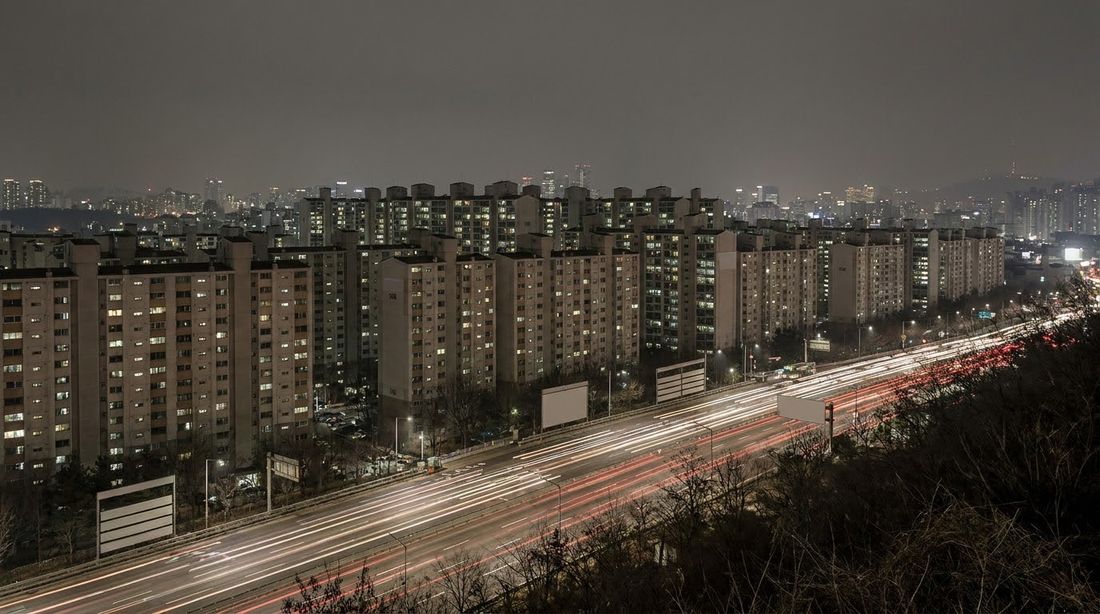
Jeonse was never a national personality trait. It was a financial instrument that worked because the underlying asset was standardized enough to lend against and dense enough to trade constantly. When the price of that asset stopped rising, the instrument started failing — exactly the way a financial instrument does, and nothing like the way a cultural tradition does. What is left is still remarkable: a substantial minority of Korean households live somewhere and pay nothing monthly to do it. It is just no longer the default, and it is worth being honest that the direction of travel is toward the monthly payment Americans already know.
This is part 24 of a series on why daily life in Korea feels so frictionless. Part 23 looked at why a Seoul subway station is a building rather than a stop. Earlier parts are here.
Next in this series: another piece of Korean daily life that turns out to be an engineering decision rather than a national character trait.


Comments
Post a Comment