Is It Safe in Korea at Night? What the Murder Rate Gap Really Changes
You know the routine even if you have never put a name to it. You park under the light, not in the dark row closer to the door. You have your keys out before you leave the building. If the walk is more than a block you text someone, or you open the app that shares your location until you get home, and you let it run. None of this feels like fear exactly. It feels like admin — a small tax you pay on being outside after dark, so automatic that you would have trouble explaining it to someone who does not pay it.
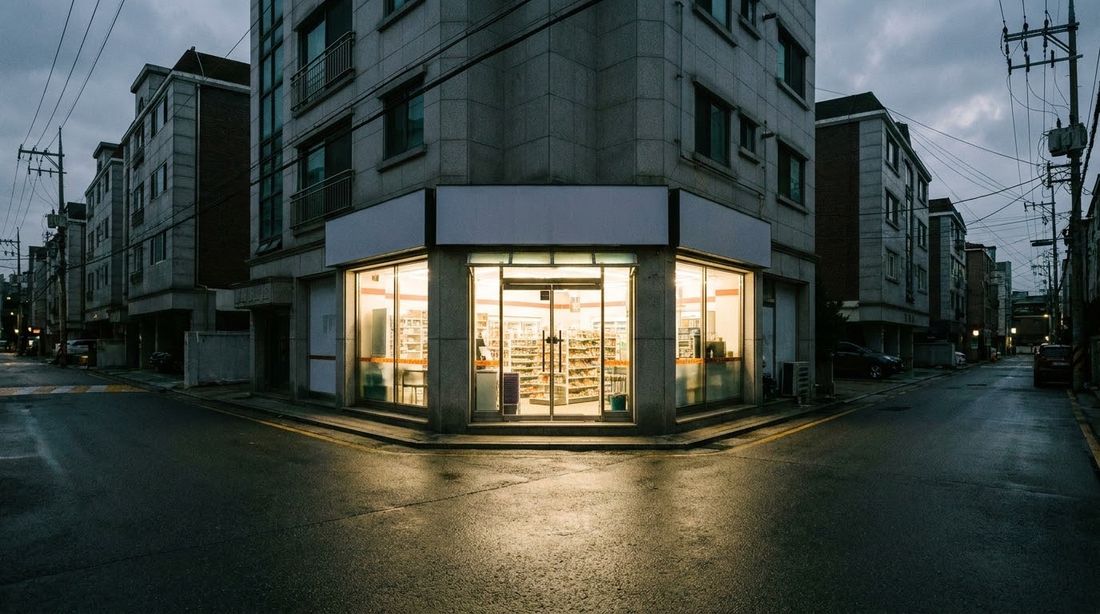
Seoul at one in the morning does not ask for that tax. The convenience store is lit. So is the fried chicken place, the phone repair counter, the stationery shop that closed hours ago but left its sign on. There are people on the sidewalk — not a crowd, just enough that you are never the only person on the block. Teenagers are eating in a window seat. Someone is walking a dog. A man in his sixties is sorting recycling at the curb. Nobody is performing safety, because nobody is thinking about it.
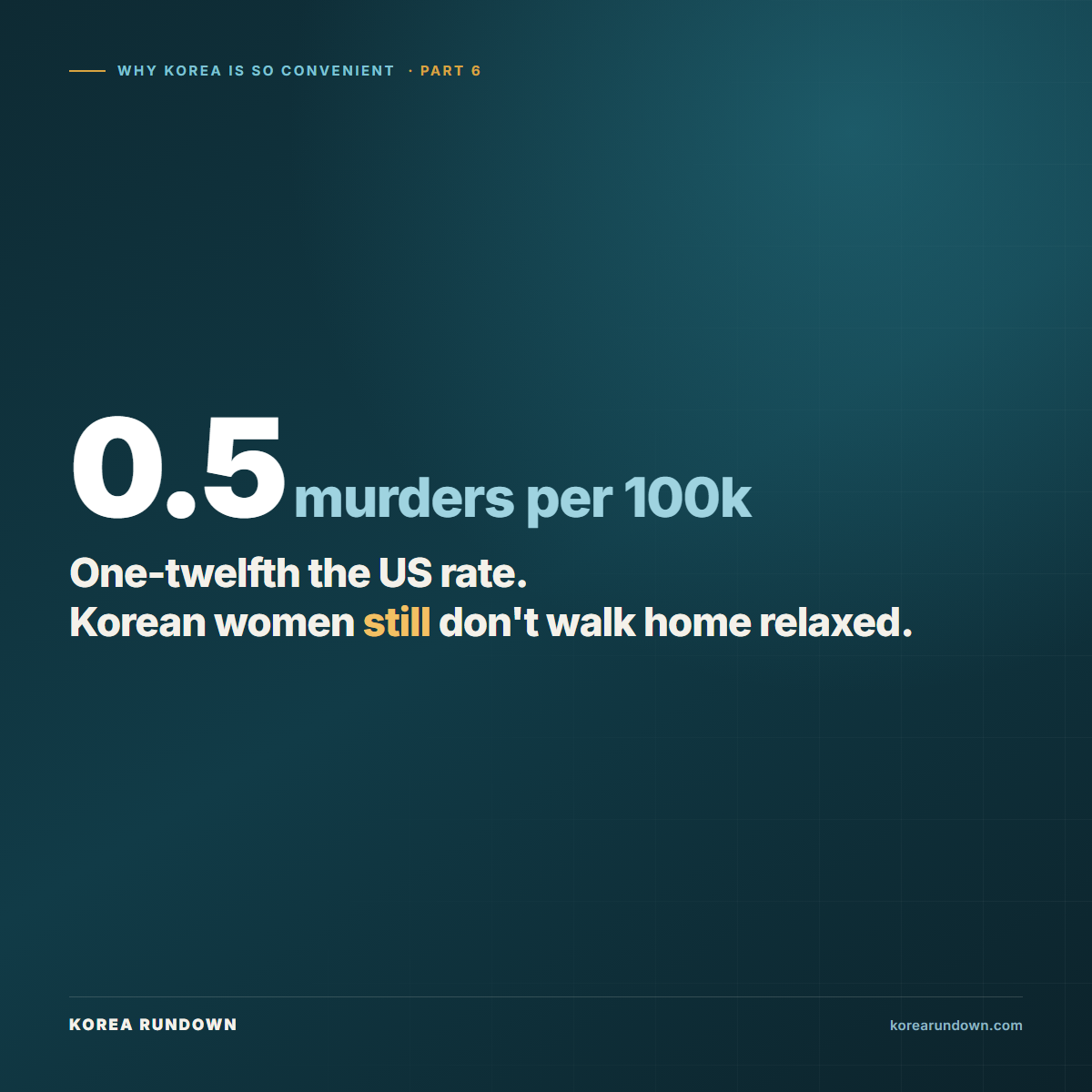
The gap in the underlying numbers is not subtle. World Bank figures put South Korea’s intentional homicide rate at roughly 0.48 per 100,000 people in 2023. The United States rate for the same year is about 5.76. That is not a few percentage points. It is a factor of about twelve.
Men 15.8%
All adults 30.5%
The honest part: a low homicide rate is not the same as safe
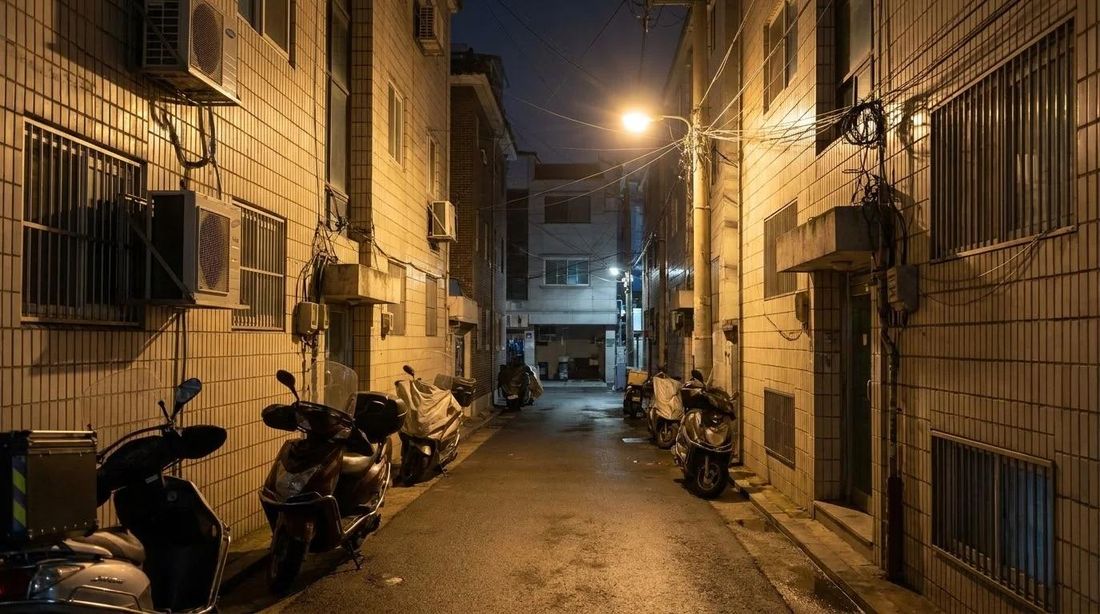
If this series stopped at the first number it would be lying by omission. Statistics Korea runs a national social survey every two years, and in the 2024 round, 30.5% of respondents said they feel anxious walking alone at night. Broken out by sex, that is 44.9% of women against 15.8% of men — women report it at close to three times the male rate. In the same survey, only 28.9% of people said they consider Korean society safe overall, down 4.4 percentage points from two years earlier.
So the country with one of the lowest murder rates in the developed world contains an enormous number of people who do not experience it as safe. Both things are true at once, and they can both be true because homicide is not the crime most people are actually calculating against.
Korea has a specific and serious problem with hidden-camera crime — molka, illegal filming in bathrooms, changing rooms and rented rooms. Police-recorded illegal filming cases climbed from 1,353 in 2011 to 6,470 in 2017, and the pattern of who commits it and who it happens to is lopsided: analyses of official case data have put offenders at roughly 98% men and victims at more than 80% women. More recently the same problem has moved into deepfake image abuse. A woman can accept that she is statistically very unlikely to be attacked on the street and still be entirely correct that a different category of crime is aimed squarely at her.
Any post about Korean street safety that leaves that out is selling something.
Why the street itself is different
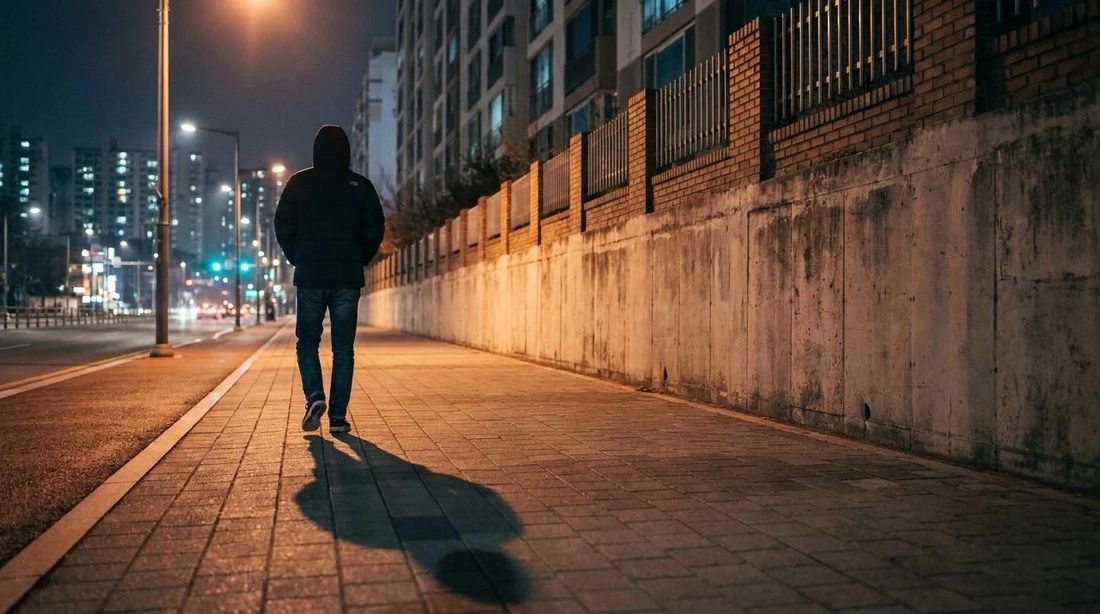
Set the crime statistics aside for a moment and look at the physical street, because that is where the feeling comes from, and it is the part that is genuinely structural.
The 2024 survey also asked people why they feel uneasy walking at night. The top answer, at 46.3%, was hearing about incidents in the news. The second, at 26.4%, was that there are too few people around. Third, at 16.9%, was a lack of safety infrastructure — lighting, cameras and so on.
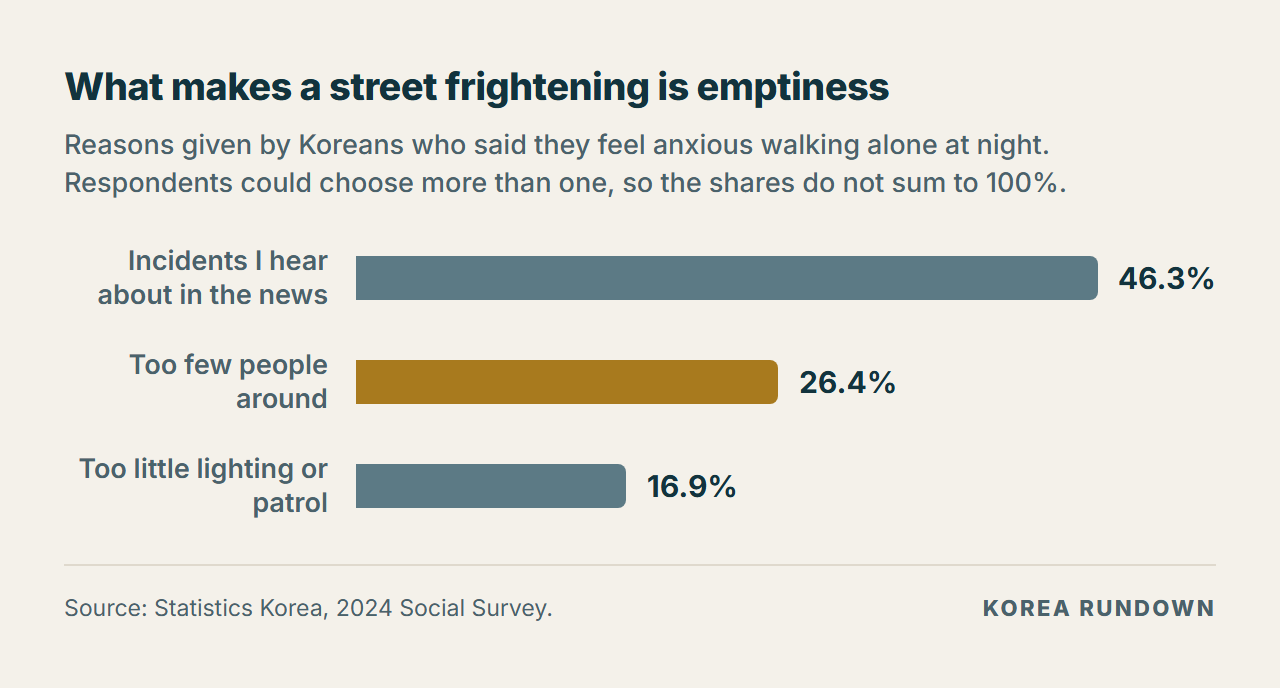
That second answer is the argument of this whole series, stated by the respondents themselves. What makes a street feel dangerous is emptiness. And Korean urban form is close to structurally incapable of producing an empty street.
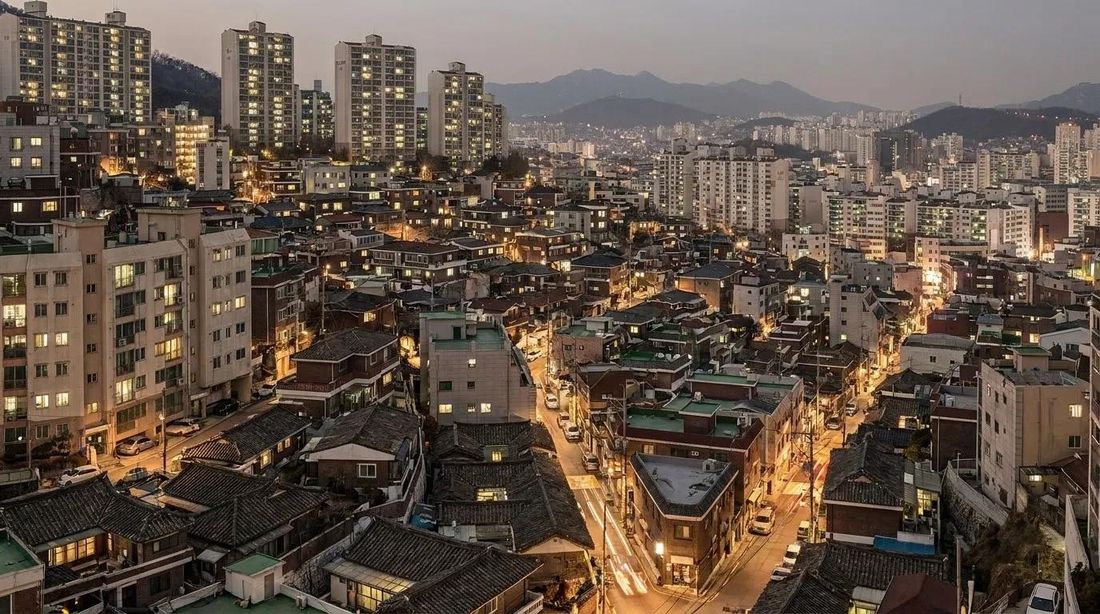
The reason is zoning, or rather the near-absence of the American kind. In most Korean neighborhoods the ground floor of a residential building is commercial — a shop, a clinic, a study room, a restaurant, a convenience store. The second floor might be a cram school and the third a billiards hall, with apartments above that. Housing and business are stacked on the same lot rather than separated into different districts connected by road. Nobody has to drive from the residential zone to the commercial zone, because they are the same building.
The consequence at one in the morning is that there is no district that empties out. An American downtown can be busy at noon and deserted at ten, because the people who filled it at noon commuted in and drove home. A Korean block that is busy at noon still has several hundred people sleeping directly above the shops — some of them awake, some of them coming home, one of them behind the counter of a store that never closes. The lit storefronts are not a public safety program. They are just what the ground floor of a dense mixed-use block looks like.
The part that is not about density
It would be dishonest to hand density the credit for the homicide gap specifically. The largest single factor there is firearms, and that is a matter of law rather than land. Civilian gun ownership in Korea is effectively restricted to licensed hunting and sport shooting, and the weapons themselves are generally stored at police stations rather than at home. A country that removes guns from domestic arguments and street disputes gets a dramatically lower homicide rate more or less mechanically, and no amount of mixed-use zoning would reproduce that.
What density explains is the other thing — the texture of the walk home. Whether the sidewalk has people on it. Whether the shops are lit. Whether being outside at 2 a.m. is an ordinary act or a decision that requires a plan. That part is not national character and not virtue. It is what happens when you stack roughly half a country’s population into one metropolitan area and put a shop under every apartment.
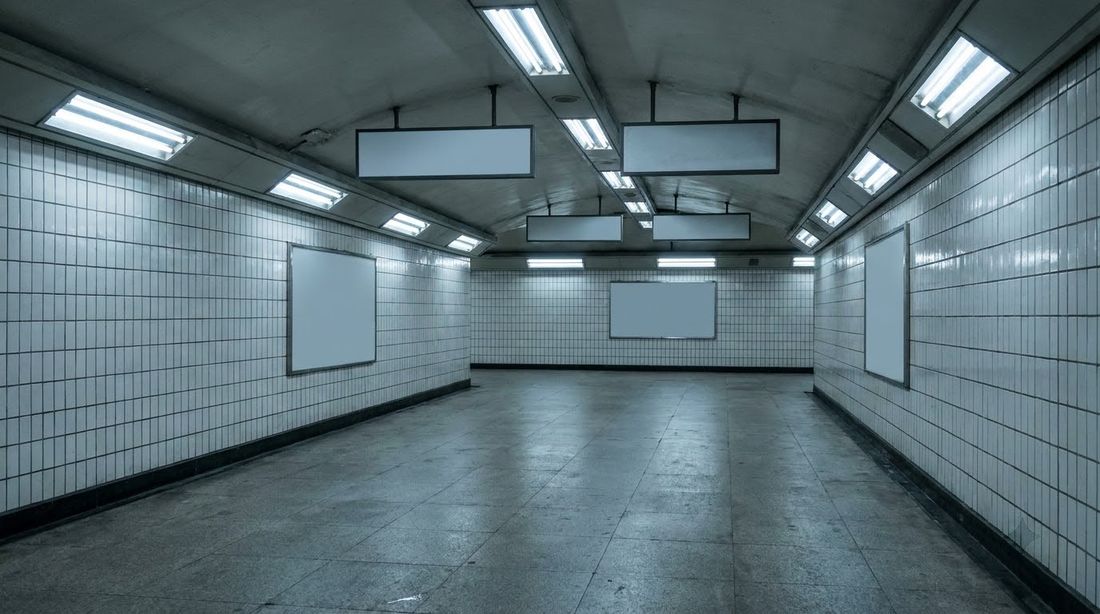
It is also, as the survey shows, incomplete. The street being full of people fixes one kind of fear. It does nothing about the kind that follows you indoors.
This is part 6 of a series on why daily life in Korea feels so frictionless. Part 5 covered why no tip screen ever spins around in Korea.
Next in this series: why a gigabit internet connection in Korea costs about as much as two American lunches — and why Korea is no longer the fastest country in the world.


Comments
Post a Comment