Seoul Subway Cost: Why a Ride Is About a Dollar, and How the Math Works
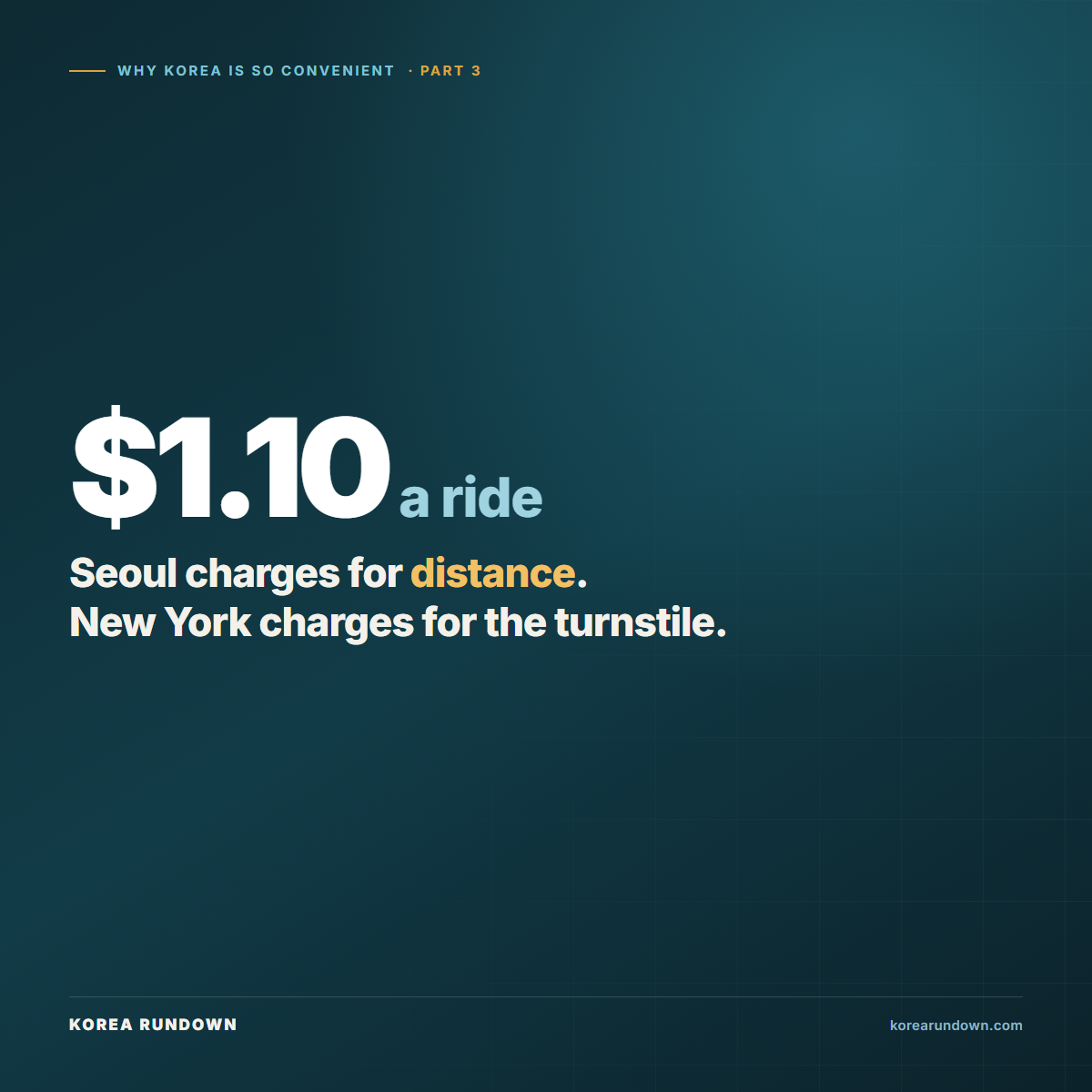
This is part three of a series on why daily life in Korea feels so frictionless. Part two covered food delivery.
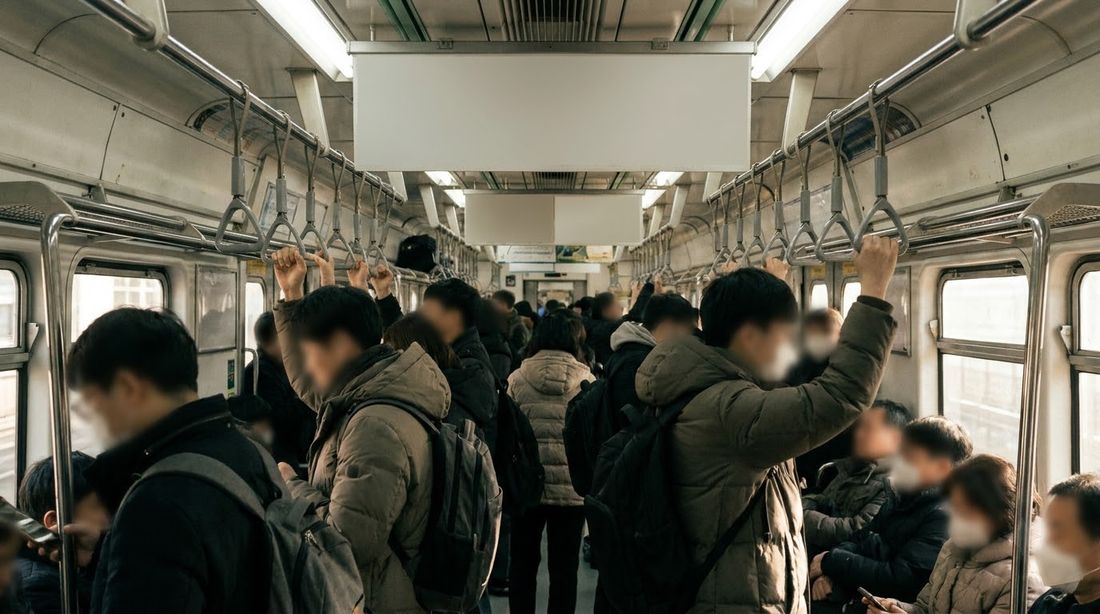
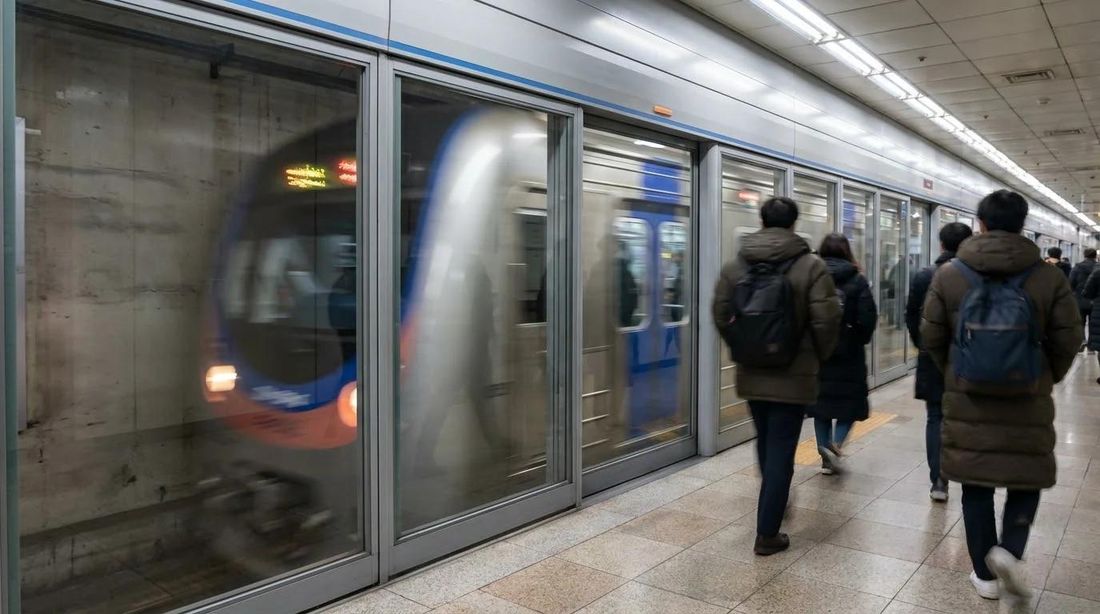
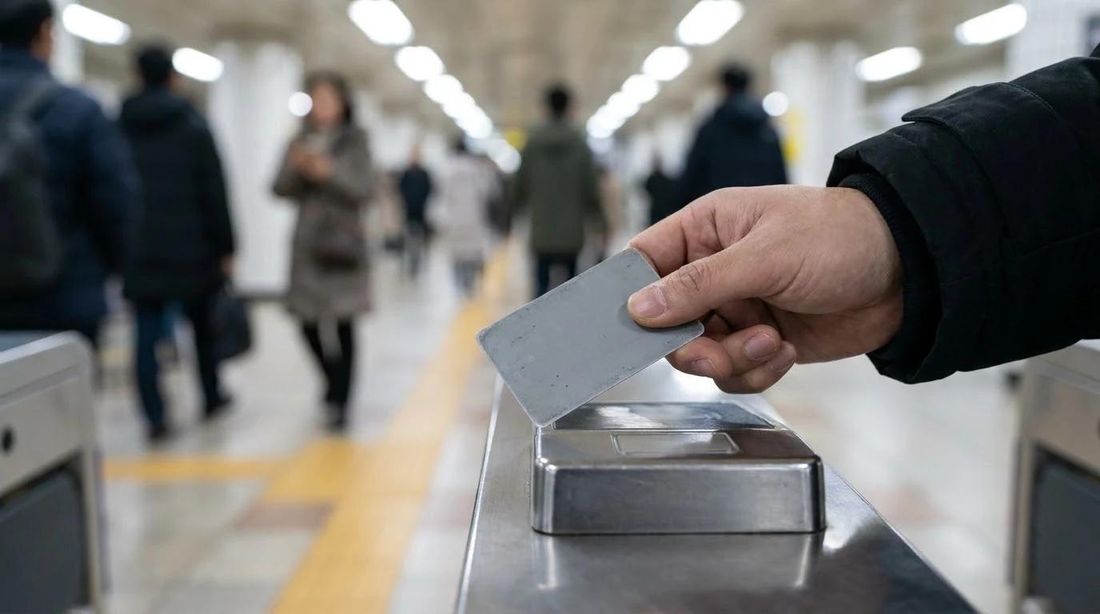
Here is the part that quietly breaks American visitors. You walk into a Seoul subway station without checking a schedule, because at rush hour there is not much point — the next train is a couple of minutes out. You tap a card on the way in, ride, tap out, walk upstairs, board a city bus, and tap again. That second tap costs you nothing. The whole chain is billed as one trip.
Then you look at what it cost: 1,550 won. A little over a dollar at recent exchange rates.
For a New Yorker, the same trip starts at $3.00 and the transfer rules are tighter. So the obvious question is whether Seoul is simply subsidizing the difference, or whether something structural is going on. The honest answer is both — and the structural half is the more interesting one.
What one tap actually buys
The number people quote is the base fare, but the base fare is not really a fare. It is the opening bracket of a distance-based meter. Your 1,550 won covers the first 10 kilometers. After that you pay 100 won for every additional 5 kilometers. Cross the city and you might reach two thousand won and change.
The part that matters more is the transfer rule. Seoul treats subway and bus as one system with one meter running. You get up to five transfers on a single fare, as long as each one happens within 30 minutes of tapping out — 60 minutes between 9 p.m. and 7 a.m. Subway to bus, bus to bus, bus back to subway: it is all the same trip, and you are charged for total distance traveled rather than per vehicle boarded.
This is why the network feels seamless in a way that is hard to convey. You are never doing arithmetic about whether a transfer is worth it. There is no penalty for choosing the route with two changes over the one with none.
Sources: Seoul base fare raised to ₩1,550 in June 2025 (Korea Herald); Seoul integrated distance-based transfer system (Seoul Metro); MTA base fare raised to $3.00 effective January 2026 (MTA board). Won-dollar conversion is approximate and moves with the exchange rate.
The ridership is the whole explanation
Seoul Metro averaged 6.69 million passengers a day in 2025, up 1.3 percent from the year before, and the wider Seoul subway system carried 2.44 billion passengers over the year. Jamsil station alone handled about 156,000 people a day.
Numbers that size change what is affordable to build. A station box is expensive whether 3,000 people or 100,000 people walk through it, so the cost per rider collapses as the walkshed fills up. In Seoul a station’s ten-minute walking radius routinely contains tens of thousands of residents, because they are stacked in apartment towers rather than spread across lots. The same station in an American suburb would serve a few hundred households and a parking lot.
That is also why the trains come every couple of minutes. Frequency is not generosity; it is what demand of that density justifies. Run a train every three minutes in a low-ridership corridor and you are hauling air.
It does not pay for itself, and that matters
Here is the part that gets left out of admiring posts about Korean transit. The fare is low partly because the operator absorbs a loss. Seoul Metro has posted a net loss of roughly one trillion won a year since 2020, and its borrowings reached about 4.5 trillion won at the end of last year.
A large share of that traces to free rides for passengers aged 65 and over, a policy introduced in 1984 when roughly 4 percent of the population was that old. By 2025 the figure was 21.2 percent. Losses attributed to free rides climbed from 484.8 billion won in 2021 to 738.1 billion won in 2024. One Korean business daily reported that the fare would need to be around 2,591 won — not 1,550 — for the system to break even.
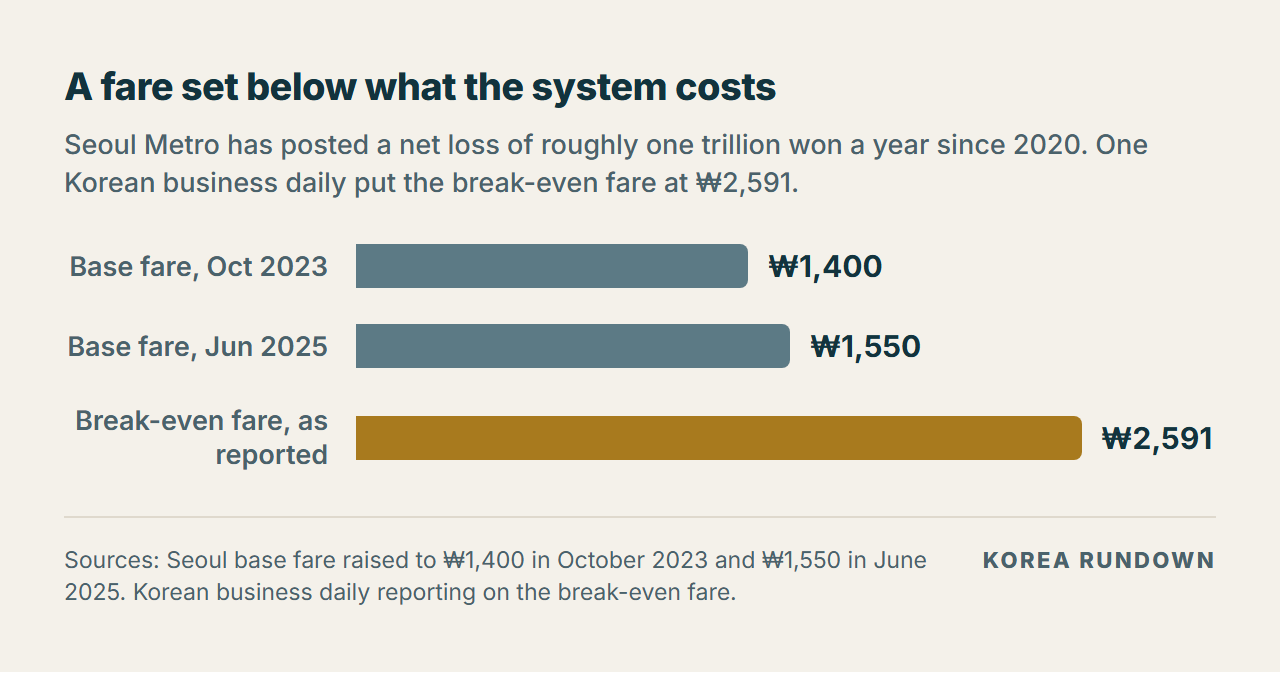
So the dollar-ish fare is real, but it is not purely an engineering triumph. It is density plus a political decision to keep the price below cost, and the second half of that is under visible strain. Fares were frozen for years, then raised twice in quick succession: to 1,400 won in October 2023 and to 1,550 won in June 2025.
Not punctuality culture. Just headway.
The usual explanation offered for Korean transit is national discipline — a culture that will not tolerate lateness. It is a flattering story and it does not explain much. Plenty of countries value punctuality and still run unreliable trains.
What actually produces the experience is headway. When trains run every two or three minutes, being late stops being a meaningful category. You do not miss a train; you take the next one, ninety seconds later. Reliability that a rider can feel is mostly a function of frequency, and frequency is a function of how many people live within walking distance of the platform.
Which is the same answer as the convenience store on every corner and the fried chicken delivered to a park bench. Korea did not decide to be more convenient. It built upward, packed a metropolitan area with roughly half the country’s population, and then a lot of things became affordable that are not affordable anywhere spread thin.
Next in this series: cafes — why Seoul has an almost absurd number of them, why people sit in one for six hours with a single americano, and what that says about how much space a Korean apartment actually gives you.


Comments
Post a Comment