Seoul Cost of Living vs NYC: Transit Is Cheap, Rent Is Not
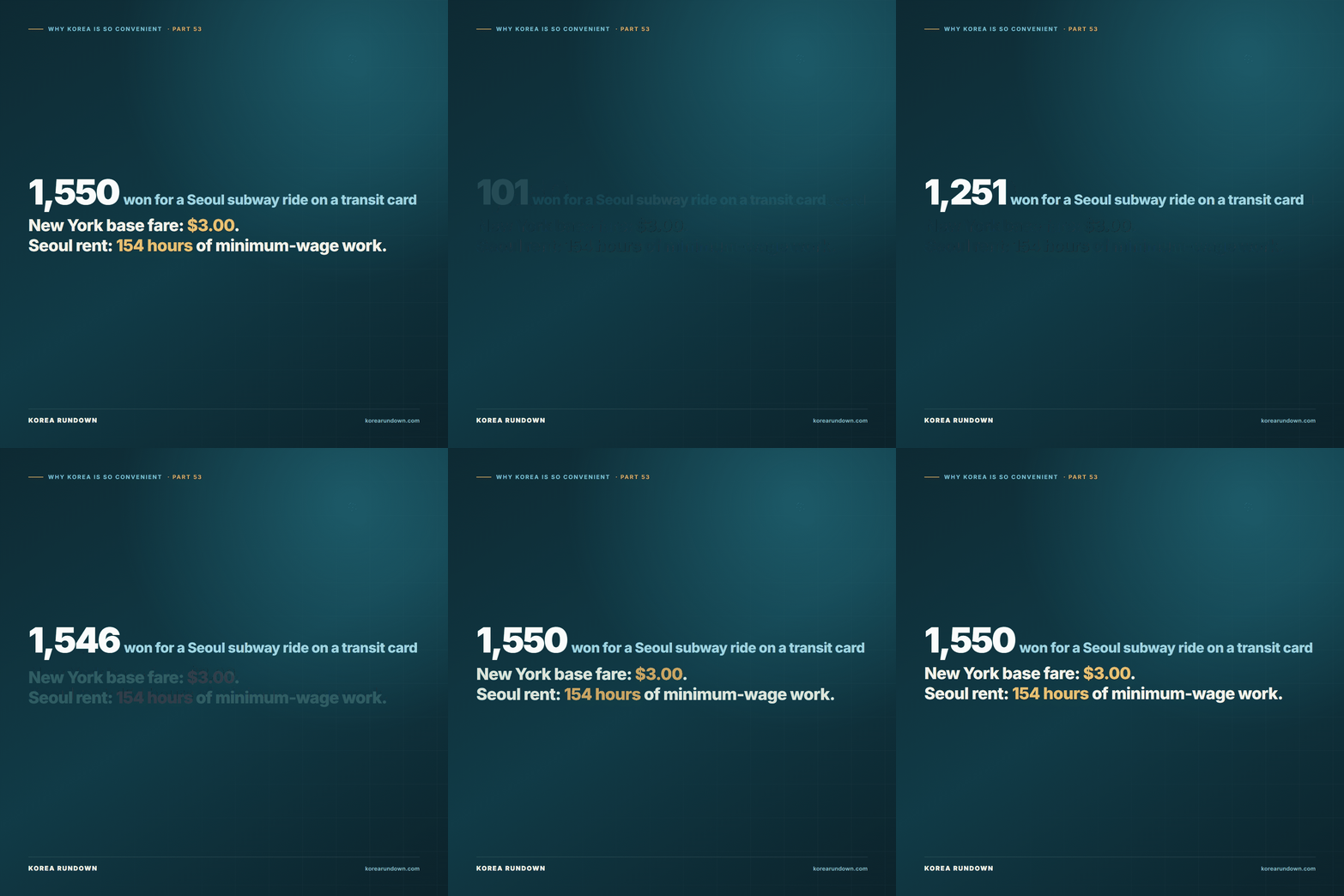
Seoul cost of living vs NYC comes down to which line item you look at. Getting around Seoul is far cheaper: a subway ride is 1,550 won on a transit card, about $1.15, while New York's base fare rose to $3 in January 2026. Renting is a different story. Seoul's average apartment rent was 1,592,000 won a month in June 2026, about $1,180, and that comes on top of a large deposit.
Prices only tell half of it, because wages differ too. Korea's 2026 minimum wage is 10,320 won an hour, about $7.67. New York City's is $17.00. Measured in hours of minimum-wage work, Seoul's transit is only slightly cheaper than New York's, and Seoul's rent is heavier. All dollar figures below use the Federal Reserve's rate of 1,345.75 won per dollar on Oct. 2, 2026.
Seoul cost of living vs NYC, line by line
These are posted prices and official figures, not spending surveys.
| Item | Seoul | New York City |
|---|---|---|
| Subway ride, base fare | 1,550 won on a card (about $1.15) | $3.00 |
| City bus, base fare | 1,500 won (about $1.11) | $3.00 for a local bus |
| Heavy transit user | "Modu" card refunds spending above 62,000 won a month (about $46) | Rides are free after $35 in any 7 days |
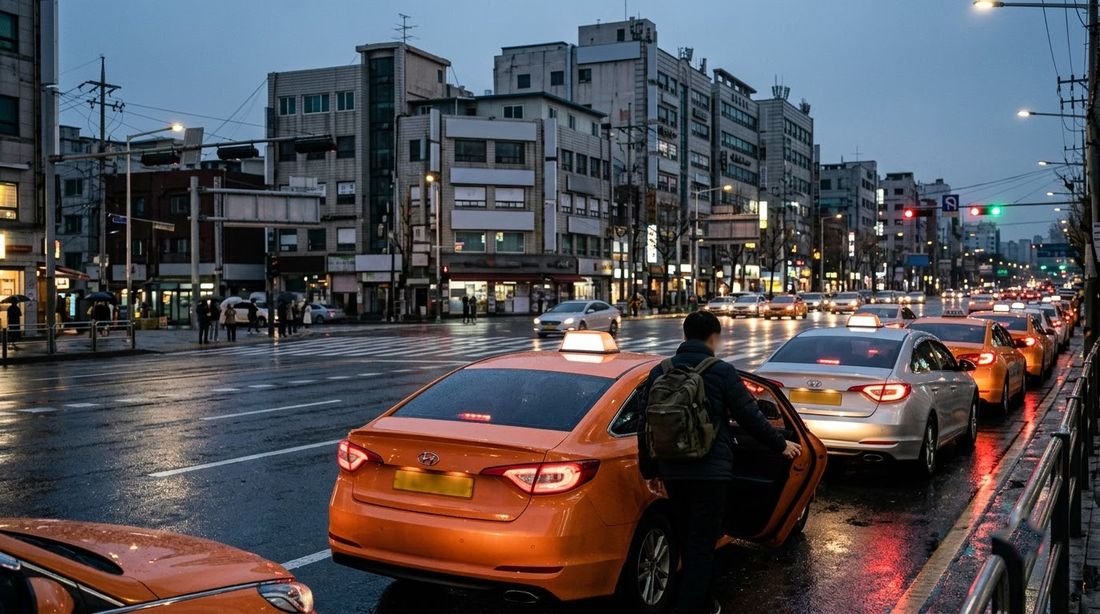
| Taxi before you go anywhere | 4,800 won (about $3.57), first 1.6 km included | $4.50 with fixed surcharges, no distance included |
| Minimum wage, per hour | 10,320 won (about $7.67) | $17.00 |
| Rent, per month | 1,592,000 won (about $1,183), apartment average, plus a deposit | $1,821, median for all rentals, utilities included |
The two rent figures are different measures: Seoul's is the Korea Real Estate Board's June 2026 apartment average; New York's is the Census Bureau's 2020–2024 median for all rentals, utilities included. Read them as a rough size comparison.

The same prices, counted in work hours
In dollars, Seoul looks like a bargain on almost everything. In minutes of minimum-wage work the picture changes, because a Korean minimum-wage hour is worth less than half a New York hour.
Why a New Yorker's first week in Seoul feels cheap
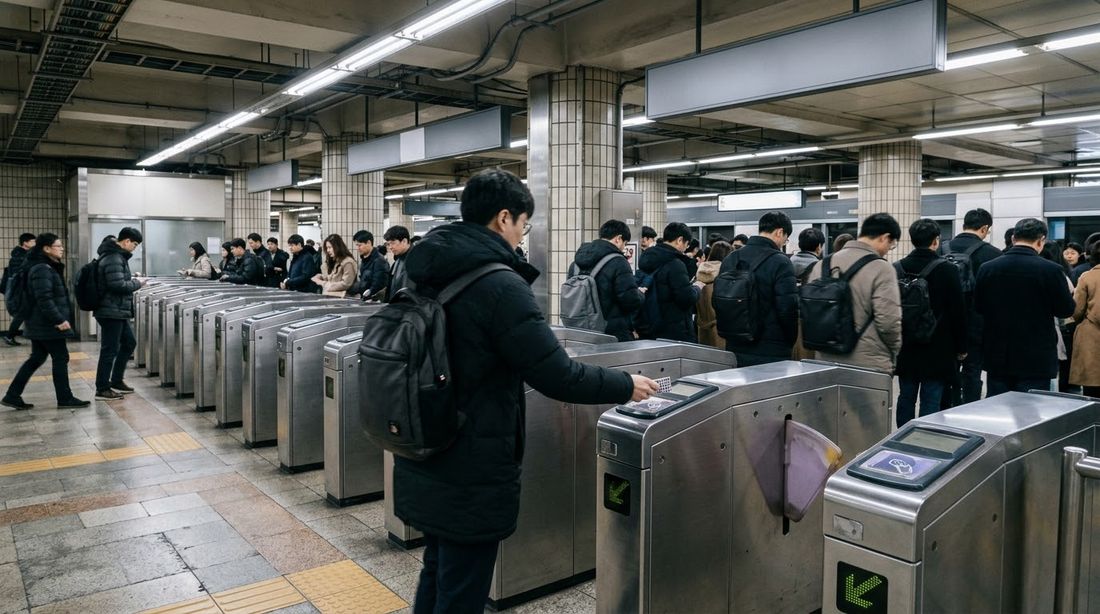
Picture the usual New York week: a $3 tap for every trip, a cab that charges $4.50 before it moves, and rent that eats the first paycheck of the month. In Seoul, a visitor with dollars pays well under half for the first two. The transit card works on subway and bus alike, and a transfer within 30 minutes is charged only for extra distance, so a cross-town trip often costs one base fare.
For anyone paid in dollars, Seoul is cheap. The exchange rate does the work.
The honest part: Seoul is not cheap for Seoul
For someone earning in won, the advantage shrinks. A Seoul minimum-wage hour buys 6.7 subway rides; a New York hour buys 5.7. The taxi reverses it: the flag fall takes almost 28 minutes of minimum-wage work in Seoul, against 16 in New York.
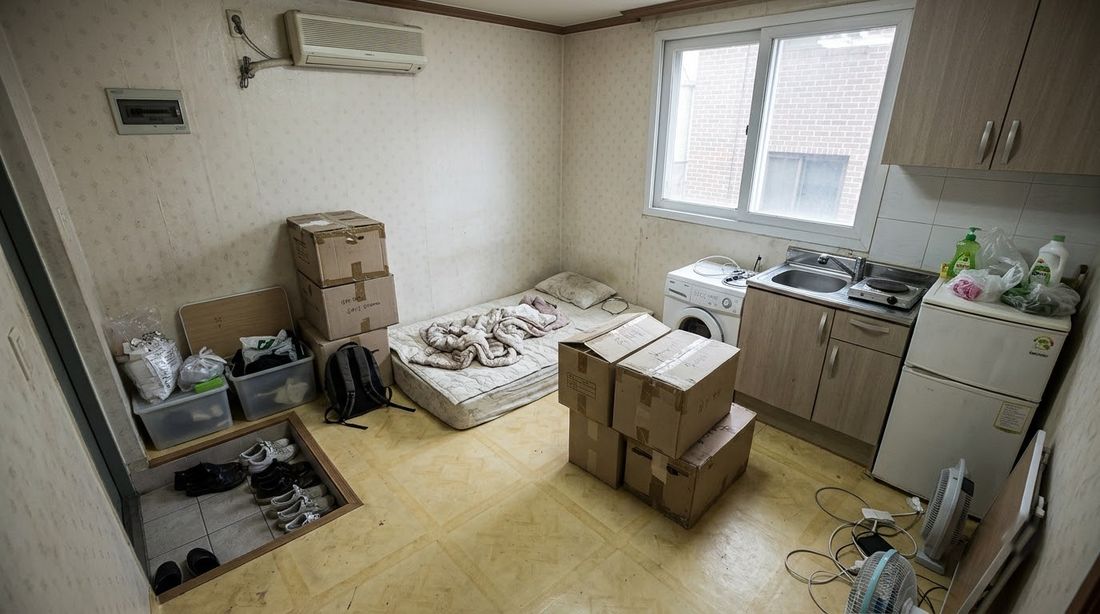
Rent is the clearest reversal. At the June 2026 average, a Seoul apartment costs about 154 hours of minimum-wage work a month, compared with about 107 hours for New York's median rental. Seoul's figure was also up 12 percent from a year earlier, and most monthly-rent leases in Korea require a deposit on top, which a renter has to have in cash before moving in.

Seoul cost of living vs NYC is really a story about density
The cheap and the expensive lines come from the same cause. Seoul packs riders onto every mile of subway and bus route, so a low fare is spread across an enormous number of trips, and one card and one transfer system can cover every operator. The same crowding pushes up what a small apartment near a station is worth. Cheap transit and expensive housing are two prices for one scarce thing: being close to everything.
FAQ
Is Seoul an expensive city?
For transit and taxis, no, especially on a dollar income. For housing, yes: average apartment rent was 1,592,000 won a month in June 2026, usually plus a deposit.
Is Seoul cheaper than the USA?
Posted transit and taxi prices are lower than New York's in dollars. Wages are lower too, so a person earning Korea's minimum wage gets only a little more transit per hour of work and less housing per hour of work.
What does Seoul cost in USD?
At 1,345.75 won per dollar (Oct. 2, 2026): about $1.15 a subway ride, $3.57 a taxi start and $1,183 a month in average apartment rent. Rates move, so check on the day you pay.
Restaurant prices are left out of this comparison: no official menu-price figures published on the same basis for both cities could be found, so there is no like-for-like number to set side by side.
Sources
- Seoul Metropolitan Government, subway and bus fares (Korean)
- Etoday, on the 1,550-won subway fare (Korean)
- Seoul Metropolitan Government, Seoul taxi fares (Korean)
- Korea.kr, the Modu card and its 62,000-won monthly threshold (Korean)
- Spectrum News NY1, MTA fare rises to $3 with a $35 weekly cap
- NYC Taxi and Limousine Commission, taxi fare
- Ministry of Employment and Labor, 2026 minimum wage of 10,320 won (Korean)
- New York State Department of Labor, $17.00 NYC minimum wage
- Financial News, Korea Real Estate Board June 2026 Seoul apartment rent (Korean)
- U.S. Census Bureau QuickFacts, New York city median gross rent
- Federal Reserve H.10, foreign exchange rates
This is part 53 of a series on why daily life in Korea feels so frictionless. Part 52 looked at how the tourist tax refund works in Korea. Earlier parts are here.
Next in this series: which transit card a visitor should buy in Korea, and when an unlimited pass actually pays off.


Comments
Post a Comment